
Why wine talk can feel intimidating
Many people do not mind wine itself, they mind the language around it. One person says a wine has “structure” and “minerality”, another talks about “mouthfeel”, and suddenly you are meant to nod as if it all makes sense. The truth is much simpler. Most people want to know if a wine is dry or sweet, light or full, fresh or rich, and whether it will suit the food on the table.
That matters because wine is often shared at very ordinary moments, not only formal ones. A Friday evening in Franschhoek, a braai in Durban, a birthday lunch in Stellenbosch or a dinner in Johannesburg, all call for something you can enjoy without overthinking it. Good wine knowledge should make those moments easier, not more complicated.
At our cellar club, we believe that if you can describe how a wine tastes to a friend, you already know enough to start. You do not need to sound polished. You only need to notice what you like.
Start with three simple questions
If you are unsure where to begin, ask yourself three plain questions before reading any notes. Is it light or rich? Is it crisp or soft? Is the finish short or lingering? These are the kinds of observations anyone can make after one sip, and they tell you far more than a string of fancy terms.
- Light or rich: Light wines feel easier and more refreshing, while richer wines feel fuller and more savoury.
- Crisp or soft: Crisp wines usually taste brighter and fresher, often with lively acidity. Soft wines feel rounder and gentler.
- Short or lingering: A short finish disappears quickly. A lingering finish stays on the palate and may invite another sip.
These notes help when choosing a bottle for seafood in Somerset West, a roast chicken in Paarl or a seafood platter near the coast. You do not have to memorise grapes or regions straight away. Start with the style you enjoy, then work backwards from there.
It is also fine to trust your own memory. If you liked one sparkling wine because it felt fresh and celebratory, say that. That is useful information and it will serve you better than pretending to know a term you dont.
What to say when someone asks what you like
People often freeze when asked what kind of wine they prefer. That is normal. You can answer in plain language and still sound informed. For example, you might say you enjoy white wines that are fresh and not too sweet, or red wines that are smooth and not too heavy. That gives someone enough to guide you well.
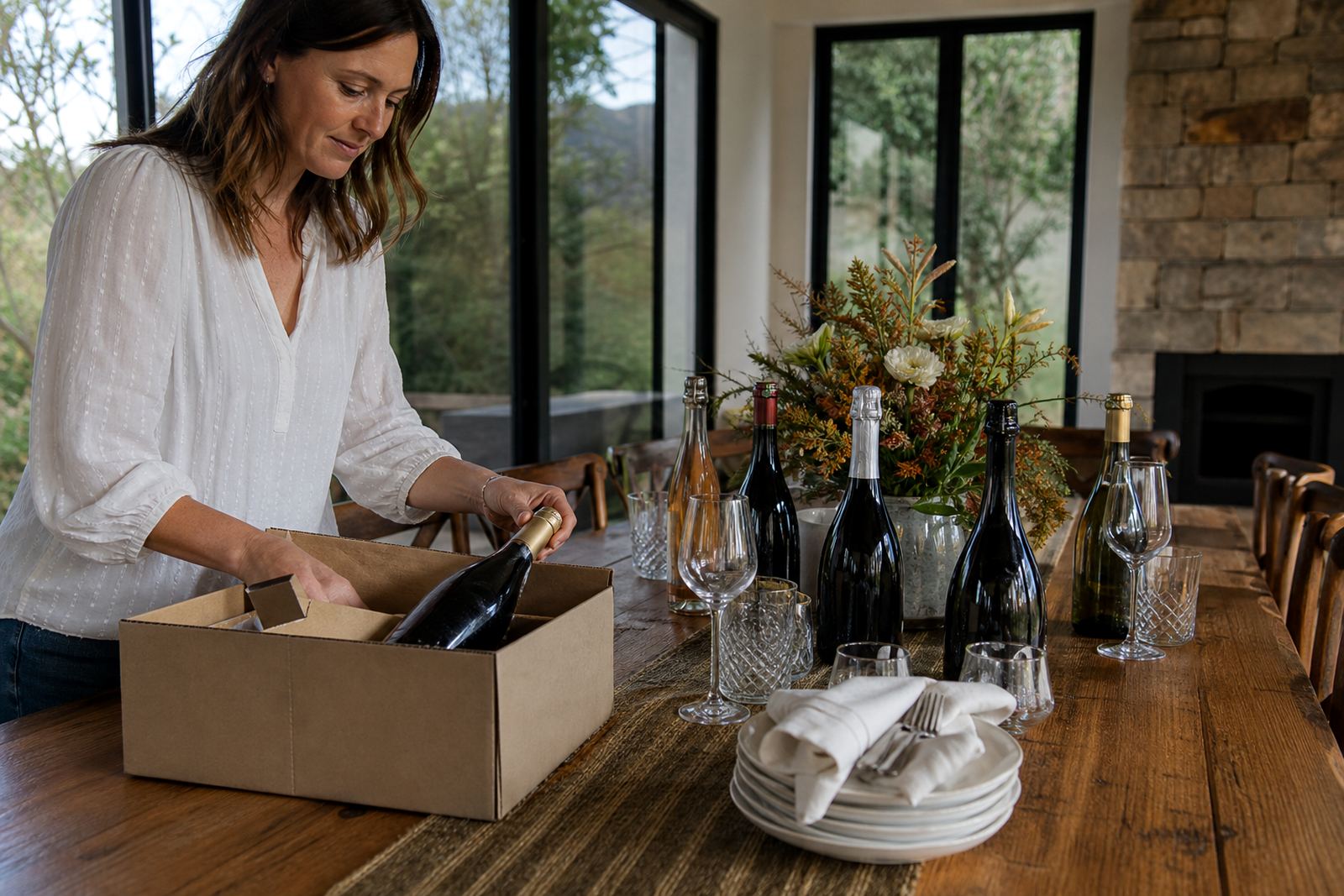
If you are hosting, offer a few clear choices rather than too many. Put out two or three bottles and let people compare them. A chilled sparkling option, a light white and a softer red are often enough for a small group. This works well for a private home tasting or a birthday tasting party where guests may have very different tastes.
- Say what you notice, not what you think you should say.
- Use food, weather or mood as a guide. Hot evening, cooler wine. Slow dinner, fuller style.
- Ask one question at a time. “Is this dry?” is better than trying to learn everything at once.
- Do not worry if you prefer sweeter bubbly or a simple easy drinking red. That is a valid preference.
When people speak honestly, tastings become more enjoyable. The conversation loosens, the pressure drops and everyone starts paying attention to what is actually in the glass.
A local tasting can be informal and still teach you plenty
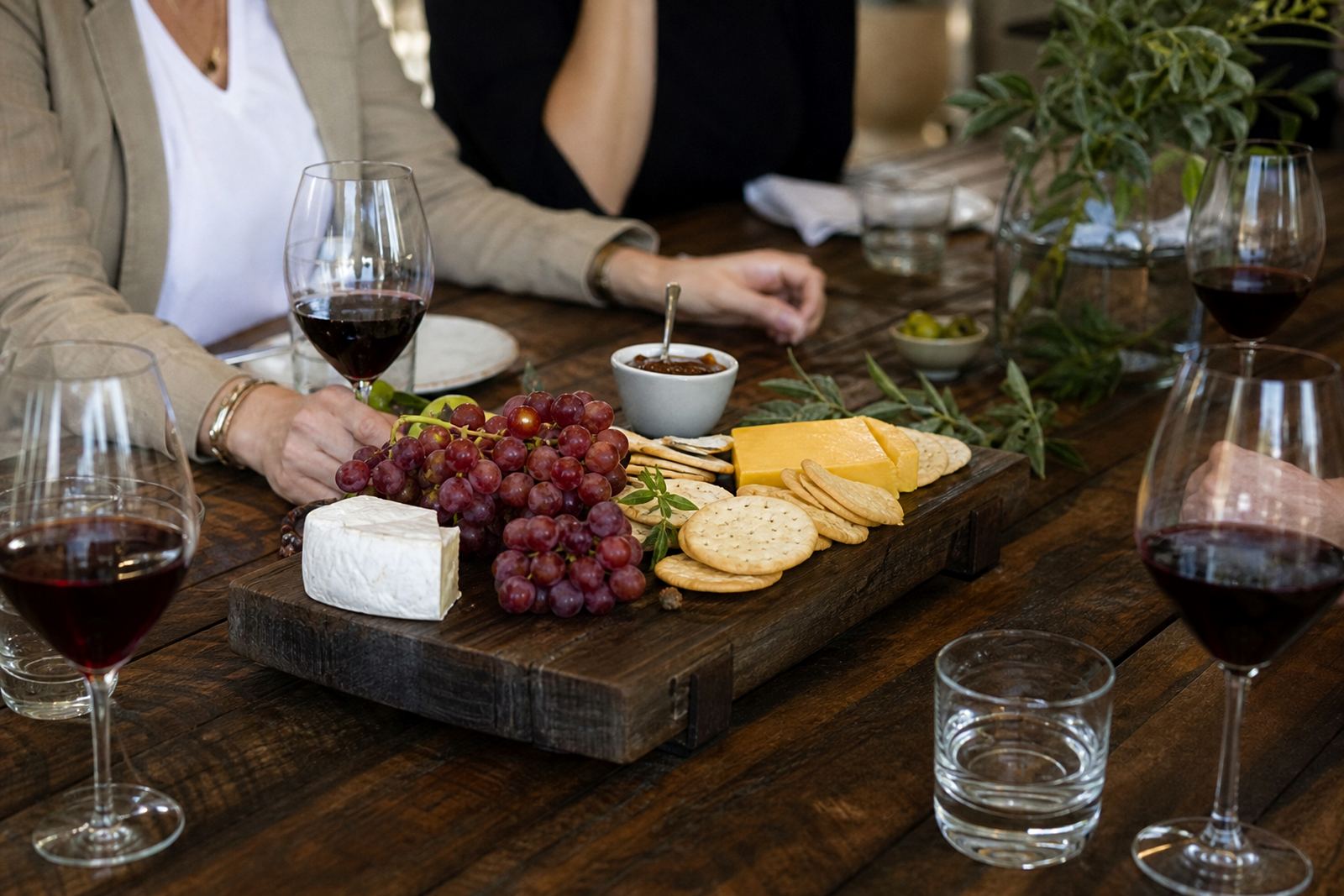
A good example is a tasting evening in Franschhoek village, where guests arrive after work or on a Saturday afternoon and sit down with a small flight of South African wines and bubbly. The host does not need to lecture. Instead, they can guide the group through colour, smell, taste and finish in plain terms. Someone may say a wine tastes like ripe pear, another person may mention citrus, and a third may simply say it feels brighter than the first one. All of that is useful.
In the Western Cape, weather plays a part too. A warmer evening in Cape Town or Durban often calls for something chilled and easy to drink, while a cooler night in the Winelands might suit a slightly fuller style. Practical notes like this help people connect what is in the bottle with what is happening around them.
That is also why tasting evenings, food pairing dinners and bubbly masterclasses work so well. They give people a real setting to learn in. You are not just hearing about wine, you are tasting it alongside other people, and that makes it easier to remember what you liked.
How to enjoy your monthly box without overthinking it
A monthly subscription box should feel like a small discovery, not a homework assignment. When a new selection arrives, take a few minutes to read the tasting notes, pour a small glass and compare your own impression with the description. You may agree with some of it and disagree with other parts. That is perfectly normal.
Try this simple routine at home:
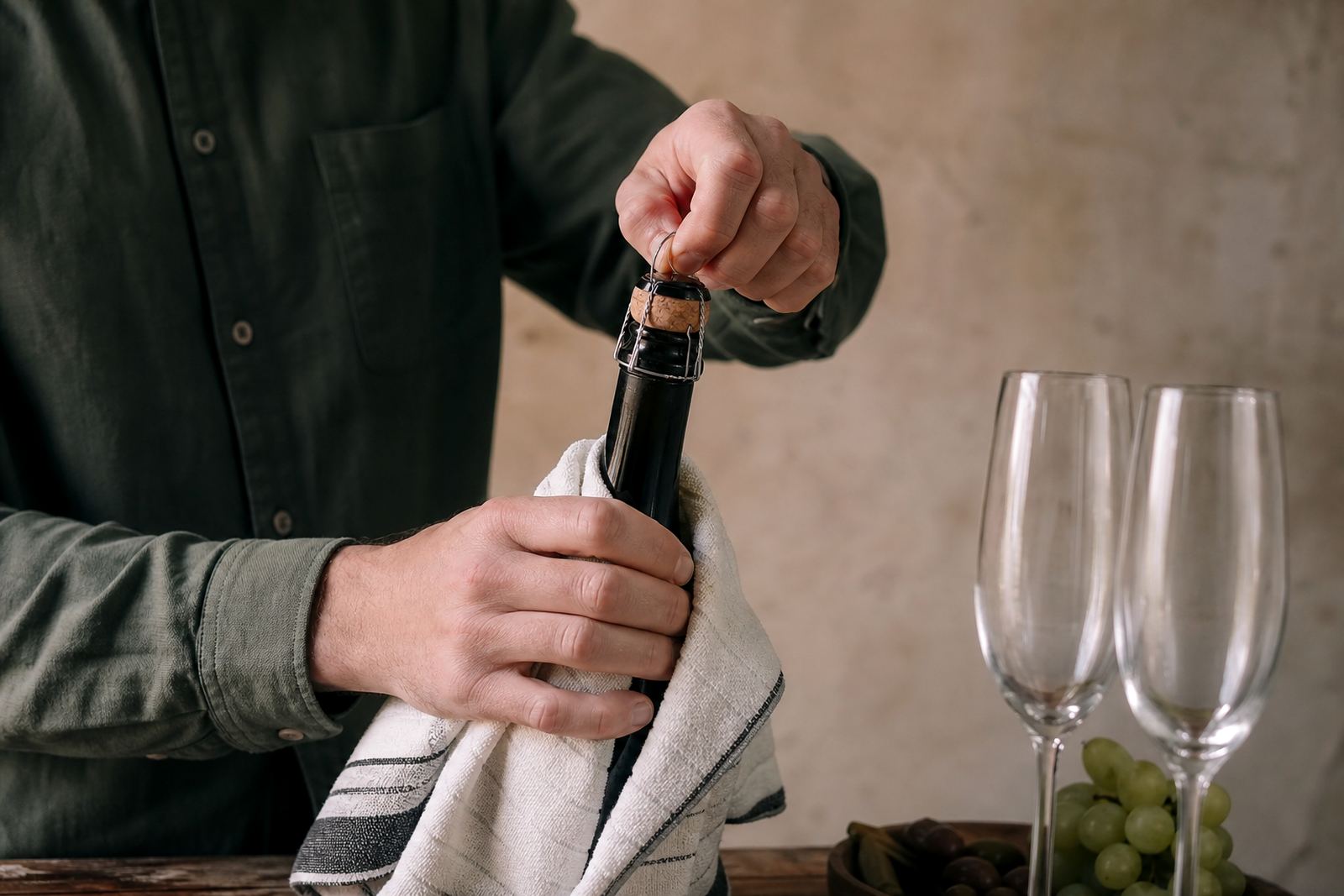
- Chill white and sparkling bottles for long enough before opening.
- Use a clean glass with enough space for the aroma to move.
- Take one small sip before dinner, then another with food.
- Write down one word for smell and one word for taste.
If load shedding interrupts dinner, keep the bottle cool in a bucket with water and ice, or move it to the coldest part of the fridge until you are ready. If you live near the coast, protect opened bottles from warm rooms and keep sparkling wines well chilled so they stay lively. Small habits like these make a real difference.
You do not need to describe a wine in paragraphs. One honest line is enough. “Fresh and zippy” or “soft and easy” can be a perfectly good note for next time.
Confidence comes from repetition, not jargon
The more often you taste, the more natural it becomes. You begin to notice patterns, like which wines suit seafood, which ones work with spicy food, and which sparkling drinks feel best for a celebration. That knowledge builds slowly and it does not require a formal lesson every time.
For clubs, corporate events, wedding wine planning and virtual group tastings, our approach is the same. Keep the language clear, keep the pours practical and make space for questions. People relax when they realise there is no wrong answer to “What do you taste?” so long as they are paying attention.
South African wine has plenty of character, and it deserves to be enjoyed by everyone, not only those who speak in technical terms. Whether you are new to tasting or simply want a more relaxed way to learn, the best starting point is simple: taste, compare and trust your own palate.