

Home / Journal / Inviting Friends Gracefully

Journal

Inviting Friends Gracefully

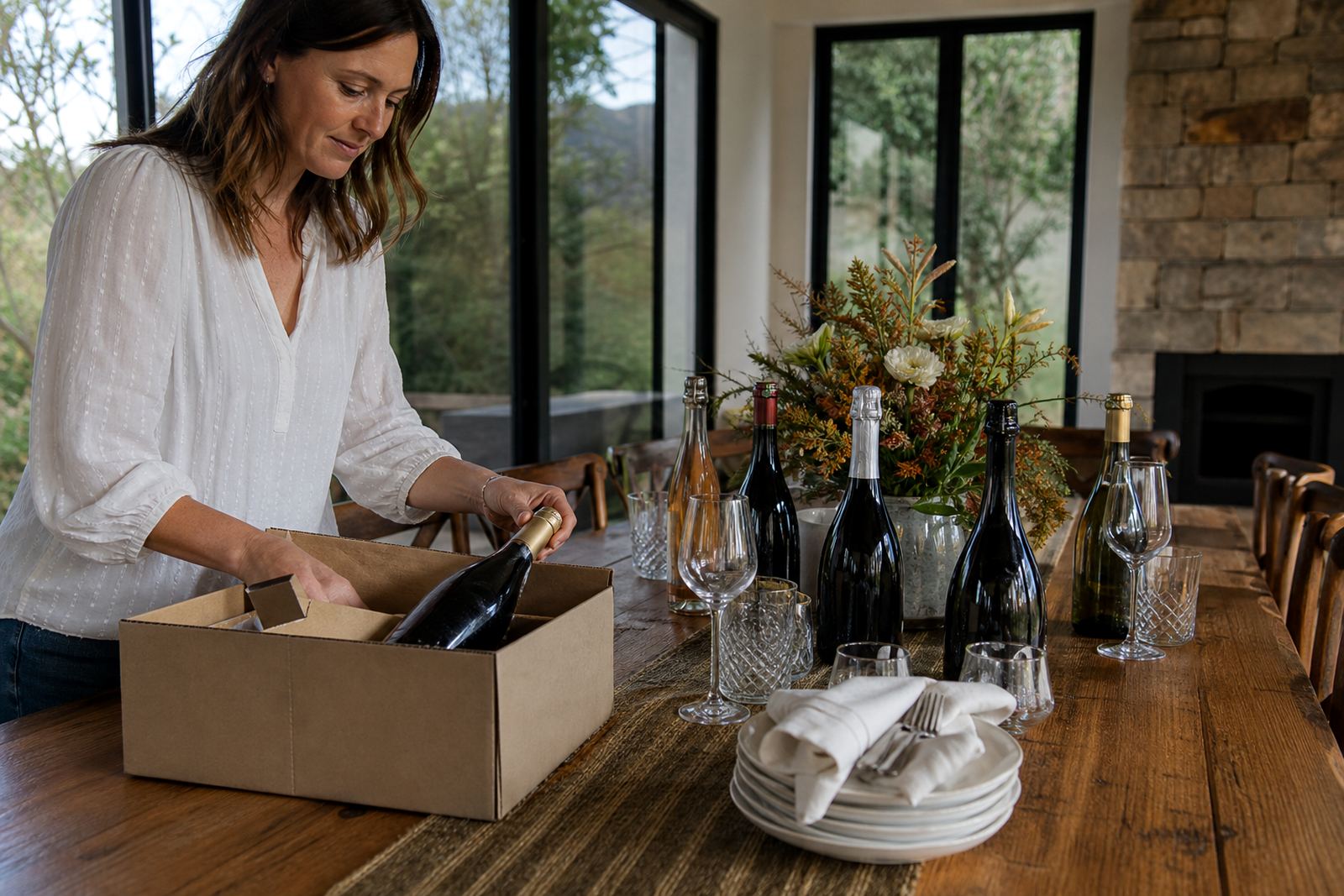
Hosting friends does not need to feel formal or fiddly. A calm table, a few well-chosen bottles and a bit of thought can make wine feel welcoming, not intimidating.

Inviting Friends Gracefully

Set the tone before the first cork is opened

The easiest way to host gracefully is to make the invitation simple. Tell friends what the evening is about, whether it is a casual catch-up, a bubbly tasting, or a food pairing supper. When people know the plan, they relax. You do not need a long wine list or a serious lecture, just enough detail so guests can arrive ready to enjoy themselves.

Keep the wording warm and practical. Something like, “Bring your appetite and curiosity, we will taste a few South African favourites together,” works well. It tells guests they do not need to know the difference between a Cabernet and a Cinsaut before they walk in. That little bit of reassurance matters, especially if one or two friends feel shy about wine.

  • Share the start time clearly and mention if supper will be served.
  • Let guests know whether they should bring anything, such as a sweet treat or ice.
  • Say if the evening is casual, seated, or more of a roaming tasting.

Choose wines that welcome every palate

When friends are coming over, the best bottle is often the one that starts conversation rather than confusion. Pick wines that are easy to enjoy, with a mix of styles so there is something for everyone. A fresh white, a light red, and one sparkling option will usually cover the room without making things feel complicated. If you are pouring bubbly, choose a dry style and offer fruit or savoury snacks alongside it.

Local wines are a good place to start because they carry familiar flavours and a sense of place. A crisp coastal white can work beautifully in summer, while a softer red suits a cooler Franschhoek evening. If your group includes people who are new to wine, keep the pours small and the comparisons simple. One round can be about aroma, another about texture, and another about what food each bottle suits best.

  • Serve three wines rather than six so the tasting stays relaxed.
  • Pour half glasses or tasting measures to avoid waste and palate fatigue.
  • Include at least one bottle that is familiar and one that is a little different.

Use food to make the evening feel easy

Good hosting is often less about the wine and more about what sits beside it. Food helps people settle in, and it gives them a practical way to talk about what they are tasting. You do not need a formal menu. Cheese, roasted nuts, biltong, bread, olives and a simple tart will do the job well. In fact, the best pairings are often the ones that do not demand much fuss.

If you are hosting in the Western Cape, lean into what is fresh and local. A goat’s cheese from the area, smoked trout, or a tomato tart can support both still wine and bubbly. For a summer evening in Somerset West or Constantia, keep dishes cool and light. In Johannesburg, where evenings may be warmer but the altitude changes how wine tastes, serve whites and sparkling wines a touch cooler than you would in winter. It helps the first sip feel lively and clean.

  • Match salt with crisp white wine or bubbly.
  • Use richer food with fuller red wines.
  • Keep the menu small so the focus stays on conversation.

Make room for conversation, not wine rules

People often worry about saying the wrong thing around wine. Good hosts can take that pressure away by asking open questions and keeping the tone light. You do not need technical language. Ask what guests smell first, what they notice on the finish, or whether the wine feels better with food. There is no single correct answer, and that is part of the appeal.

Try not to correct every opinion. If someone says a wine tastes like peaches and another person says citrus, both can be right. Tasting is personal. The goal is to help friends feel included, not tested. If a guest prefers sweet sparkling wine over a dry one, welcome that view and move on. The table works best when everybody has space to respond honestly.

For hosts, this is the simplest etiquette of all: listen, do not perform. A tasting evening should feel like a shared moment, not a lesson. That matters whether you are in a town house in Cape Town or on a farm outside Franschhoek.

Serve with the weather and load-shedding in mind

In South Africa, a graceful host plans for more than the guest list. The weather and the power supply both shape the evening. On a humid Durban night, bubbly and white wine stay more refreshing if they are chilled properly beforehand. In Paarl or Stellenbosch during summer, keep bottles in a cooler or bucket with ice and water so they do not warm up too quickly on the table.

Load-shedding should not spoil a good tasting. Chill wine in advance, freeze a few water bottles for the cooler, and use candles or battery lights if the evening stretches past sunset. A simple backup plan is enough. If the electricity goes off, the mood does not have to. Friends remember calm hosting far more than perfect conditions.

  • Chill sparkling wine for several hours before guests arrive.
  • Keep white wine in a cooler with ice and water, not just ice alone.
  • Have water glasses filled and extra ice ready before the first pour.

End with a small gesture that feels thoughtful

A gracious evening does not need a grand finish. A final glass, a few notes about the favourites of the night, and a simple thank you can be enough. If a guest loved one particular bottle, write it down or send them a photo of the label later. That small act makes the evening feel remembered, not just consumed.

You can also send friends home with a bottle recommendation for their own table. It may be the easiest way to extend the pleasure of the night. One good habit is to ask everyone which wine they would open again and why. Those answers often reveal more than a tasting note sheet ever could.

For hosts in Franschhoek, a relaxed takeaway choice can be a bottle they might open with Sunday lunch or a midweek supper. It keeps the evening rooted in real life, which is where wine is best enjoyed anyway.

A local example from a South African tasting table

Imagine a small group gathered in Franschhoek village on a Friday night. The host has set out a bowl of salted almonds, a few cheeses, bread and a chilled sparkling wine. There is a white from the coast, a lighter red, and enough water on the table so no one feels rushed. The host explains the plan in one minute, then lets the group move at their own pace.

By the second pour, the table has settled. One friend notices the wine smells like green apple, another says the sparkling wine feels perfect with the salty snack, and someone else simply says it is exactly what they needed after a long week. That is the point. A graceful invitation creates space for friends to enjoy wine without pressure, which makes the whole evening better.

Ching Ching Cellar’s approach is the same in Cape Town, Stellenbosch, Johannesburg and Durban: keep it friendly, keep it local, and let the bottles do some of the talking.

Questions we get asked

How many wines should I serve at a casual tasting with friends?

Three is usually enough. One sparkling wine, one white and one red give variety without tiring the palate.

What food works best for a relaxed wine evening?

Choose simple food that does not distract from the wine, such as cheese, bread, olives, nuts, biltong or a light tart.

How do I make guests feel comfortable if they know little about wine?

Keep the invitation clear, use everyday language, and remind them there are no wrong answers. The aim is to enjoy the evening together.

Planning something? Send the team a message.

Contact form