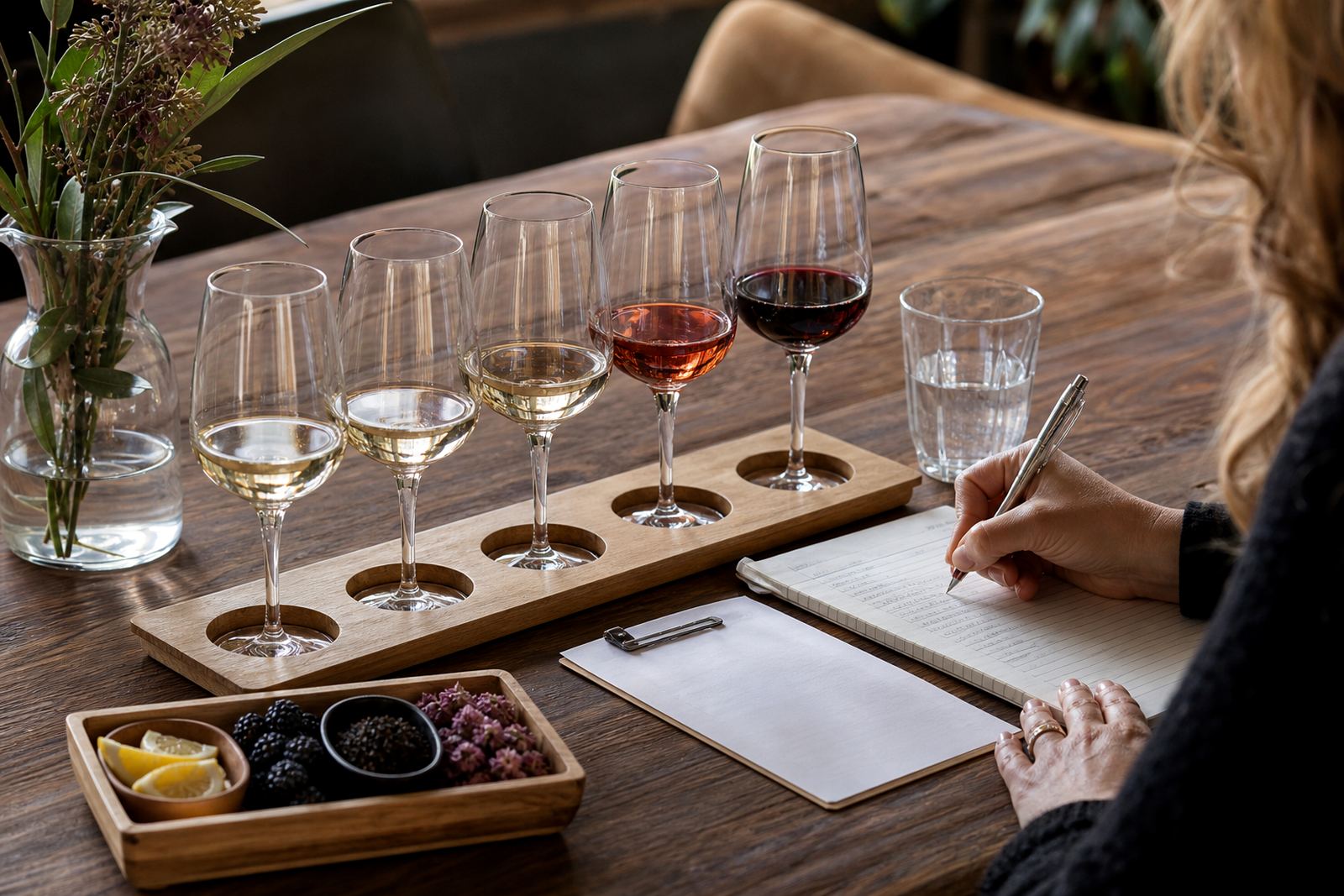
What tasting notes are really saying
Tasting notes are not meant to sound clever for the sake of it. They are a short way of describing a wine's aroma, flavour, texture and finish so you can understand what is in the glass before you pour a full bottle. A note might mention citrus, peach, red berries, vanilla, spice or a savoury edge, but those words are only signposts. They help you picture the wine style and decide whether it suits your taste.
For new wine drinkers, the best approach is to read tasting notes as a guide, not a rule. If a note says a wine has blackcurrant and cedar, that does not mean every sip will taste exactly like fruit from the garden and timber from the shed. It means those are the main impressions the taster picked up. Your own palate, the temperature of the wine and even the food on the table will shape what you notice.
A simple order for reading any wine note
Most tasting notes follow a similar pattern, even if they use different words. Start with the broad style, then move through aroma, palate and finish. This makes it easier to compare one wine with another and to spot what matters to you.
- Style: Is it light, medium or full-bodied? Still, sparkling, dry or off-dry?
- Nose: What do you smell first, such as citrus, herbs, flowers, toast or berries?
- Palate: What do you taste in the mouth, and is the wine crisp, creamy, juicy or firm?
- Finish: How long do the flavours stay after you swallow?
If a note is very short, focus on the adjectives. Words like zesty, mineral, plush or crunchy tell you a lot about the feel of the wine. If a note is longer, look for repeated themes. When one description says ripe pear, creamy mousse and biscuit, you are probably dealing with a richer sparkling style rather than a lean one.
Flavour words you are likely to see often
Wine notes use familiar flavour words because they are meant to be practical. You do not need to know every term on day one. A few common words will cover most of what you see on South African wine labels, club notes and tasting sheets.
- Fruit: Lemon, lime, apple, pear, white peach, plum, cherry, blackberry
- Secondary aromas: Yeast, brioche, toast, almond, biscuit, cream
- Structure: Acid, tannin, body, weight, balance, length
- Extras: Herbal, floral, smoky, spicy, earthy, mineral
It helps to remember that these words are comparisons. A wine may smell like peach because it reminds the taster of a ripe peach, not because actual peach was added. The same goes for vanilla, smoke or honey. In most cases the flavour comes from grape variety, fermentation, ageing or bottle age, not from anything being mixed in.
How to use tasting notes when buying wine
The real value of tasting notes is that they can save time and improve your chances of buying a bottle you will enjoy. If you know you like fresh, zesty whites, look for notes mentioning citrus, green apple and a clean finish. If you prefer richer styles, look for stone fruit, creaminess or a round mouthfeel. For red wine, decide whether you like juicy and soft or firmer and more structured.
In South Africa, this can be especially useful because the same grape can taste very different from one region to another. A coastal wine from Constantia may show more freshness and a savoury edge, while a warmer inland style can lean into riper fruit and fuller body. That is why reading the note matters more than only chasing a grape name. A note can tell you whether a bottle is better for a picnic, a roast chicken supper or a long evening with friends.
When you are buying for a group, read the note with the food menu in mind. For food pairing dinners or a birthday tasting at home, wines with high acidity and clear fruit usually work well with salty snacks, seafood and lighter dishes. Fuller wines with more oak or body are better with richer meals. It saves disappointment later and yes, it helps when the load-shedding schedule changes the cooking plan.
A local example from the Western Cape table
Imagine a tasting evening in Franschhoek with a sparkling wine and a crisp white on the table. One note may describe lemon zest, green apple and a lively finish. Another may mention ripe pear, almond and a creamy mousse. Even before you taste them you already know these are two different moods. The first sounds bright and brisk, the second softer and more rounded.
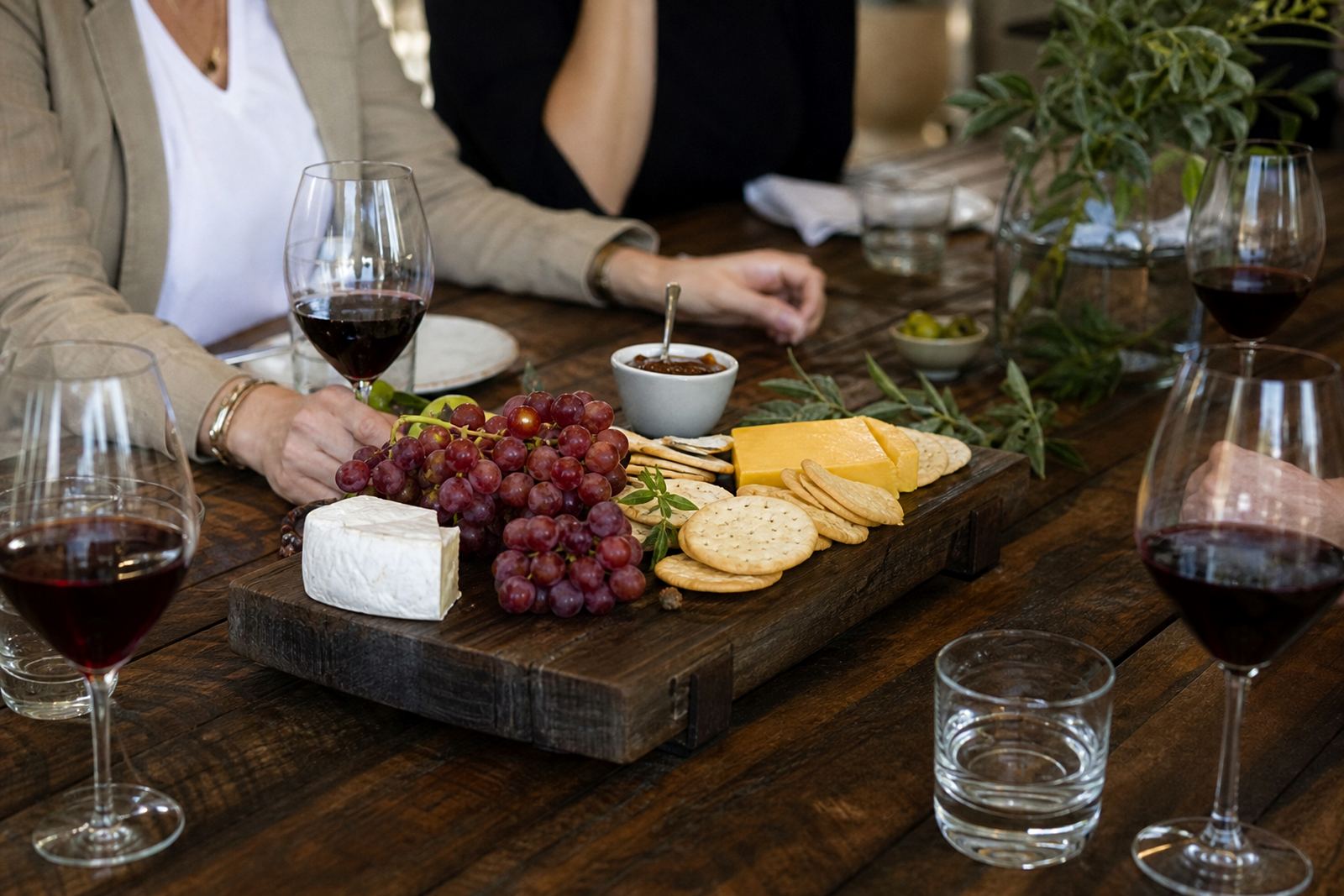
At a casual gathering, that difference matters. The lively wine might suit canapés, oysters or fried snacks. The creamier bottle might be better with chicken pie, smoked salmon or a celebration toast. The note is not just flavour poetry, it is a service guide. It points you towards the right bottle for the right moment, which is exactly what a good tasting club should help you do.
This is also why tasting notes can be useful for beginners. You do not need to identify every scent in the glass. Start by asking, is this wine fresh or rich, simple or layered, soft or firm? Once you can answer that, the finer details become easier to understand and enjoy.
How to taste with notes instead of guessing
If you want to get more from tasting notes, use a simple method at your next tasting. Pour a small amount, swirl gently and take one short smell before sipping. Then compare what you notice with the written note. You may not match every word, and that is perfectly normal. The point is to train your palate to notice patterns.
- Start with one wine style at a time, not a whole mixed line-up.
- Write down two or three words that describe what you smell.
- Look at the note after tasting and check what overlaps.
- Notice whether the finish is short, medium or long.
- Ask yourself if the wine feels fresh, smooth, drying or creamy.
Over time you will build your own vocabulary. You may find that you notice guava where someone else notices passion fruit, or that you like a wine others call sharp because you enjoy the lift. That is part of learning. Tasting notes should help you trust your own palate, not replace it.