
What members keep reaching for first
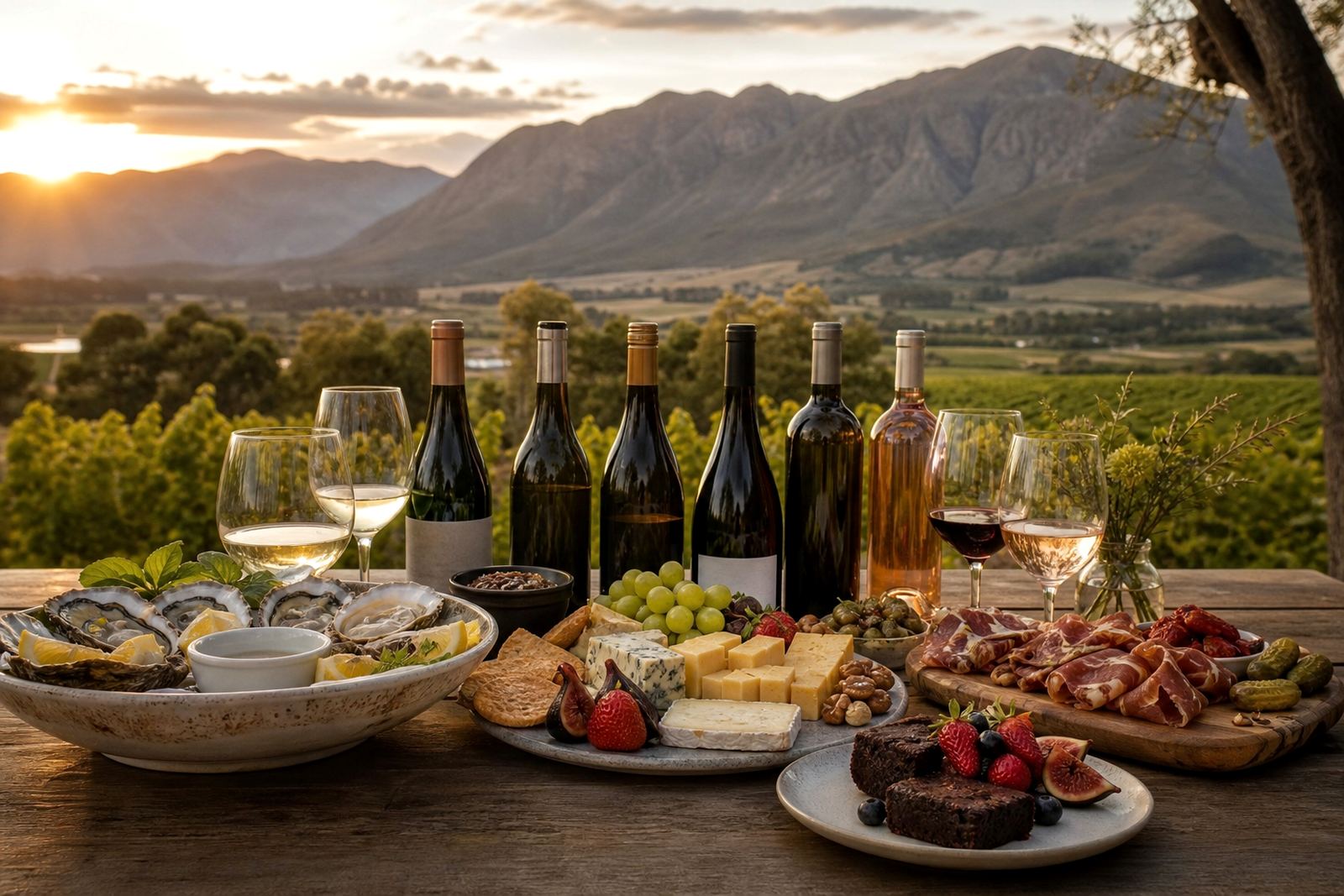
The most popular pairings at our recent tasting evenings were the ones that felt natural on a South African table. Good wine does not need a complicated menu, it needs food with enough flavour to meet it halfway. Think biltong that is not too sweet, snoek pate on fresh bread, grilled chicken, and crisp salads with enough acidity to keep the palate awake.
In Franschhoek, where many tables are built around long lunches and shared plates, members often prefer pairings that let the wine stay in the lead. A dry sparkling wine with salty snacks is a strong opener. A bright white with fish or chicken works well. A softer red can carry mushroom dishes, lamb or a tomato-based pasta without fighting the food.
- Start with sparkling and salty snacks like olives, nuts or biltong.
- Move to white wine with fish, chicken, creamy pasta or roast vegetables.
- Save lighter reds for duck, mushrooms, lamb chops or bobotie.
Sparkling wine and the easy wins
Sparkling wine is often the first bottle to disappear at a tasting evening because it is so useful with food. It cuts through fried bites, brings freshness to rich sauces and makes simple snacks feel like a proper occasion. Members repeatedly mention how well it works with savoury tartlets, samoosas, smoked salmon, and even crumbed calamari.
For engagement bubbly evenings and birthday tastings, this is the safest crowd-pleaser. If your guests are arriving hungry, keep it cold and serve with a few salt-driven snacks. Coastal humidity in Durban or a summer afternoon in Cape Town can flatten a warm bubbly quickly, so chill it properly and keep an ice bucket nearby. A bottle that is too warm loses its fine fizz and the whole table notices.
- Serve sparkling wine at 6 to 8 degrees for the best texture.
- Choose salty or fried snacks to bring out the freshness.
- Use flutes or tulip glasses, not wide tumblers that lose the bubbles fast.
White wines that handle the table easily
One of the strongest lessons from our club tastings is that white wine loves a busy table. It does not need a full plated meal to work. A well balanced white can carry roast chicken, line fish, sushi, mild curries and salads with citrus dressing. In Stellenbosch and Somerset West, where many members enjoy relaxed weekend entertaining, this is the bottle that disappears first because it covers so many situations.
If you are serving food with garlic, lemon or herbs, a fresher white will usually do better than a heavily oaked style. Creamy sauces need a little more weight, while shellfish and grilled fish favour a cleaner finish. For home tastings, try a simple side-by-side comparison with two whites and a plate of grilled chicken, vetkoek bites or a herby pasta salad. People are often surprised by how much the food changes the wine.
- Fresh white wines suit seafood, chicken and green herbs.
- Textured whites work better with creamy dishes and roast vegetables.
- Keep sauces light if you want the wine to remain lively.
Red pairings that members ask about again
Red wine pairings can be trickier, but at club events the favourites are usually the ones that stay supple rather than heavy. A medium bodied red with gentle tannins suits grilled lamb, sausages off the braai, mushroom risotto and tomato-based dishes. It also handles a well seasoned roast leg of lamb, which is a classic choice for family gatherings across the Western Cape and beyond.
For tastings in Johannesburg and Durban, where many members order food for larger groups, the red that wins most praise is the one that does not overpower the plate. Too much oak or too much alcohol can make food taste flat. A red with juicy fruit and a savoury edge keeps the conversation going and does not tire the palate.
- Choose medium bodied reds for lamb, mushrooms and roast dishes.
- Keep spice moderate if the wine is delicate.
- Serve reds slightly cool, around 16 to 18 degrees, especially in warmer weather.
South African dishes that work beautifully with bubbly
There is a reason our members keep returning to local food with local wine. The pairings feel right because they match the way people actually eat here. At recent events, one of the biggest favourites was sparkling wine with vetkoek filled with savoury mince, followed by a crisp white with snoek pate and fresh bread. Another crowd pleaser was a brut style bubbly with peri-peri chicken skewers, which gave the heat a clean finish.
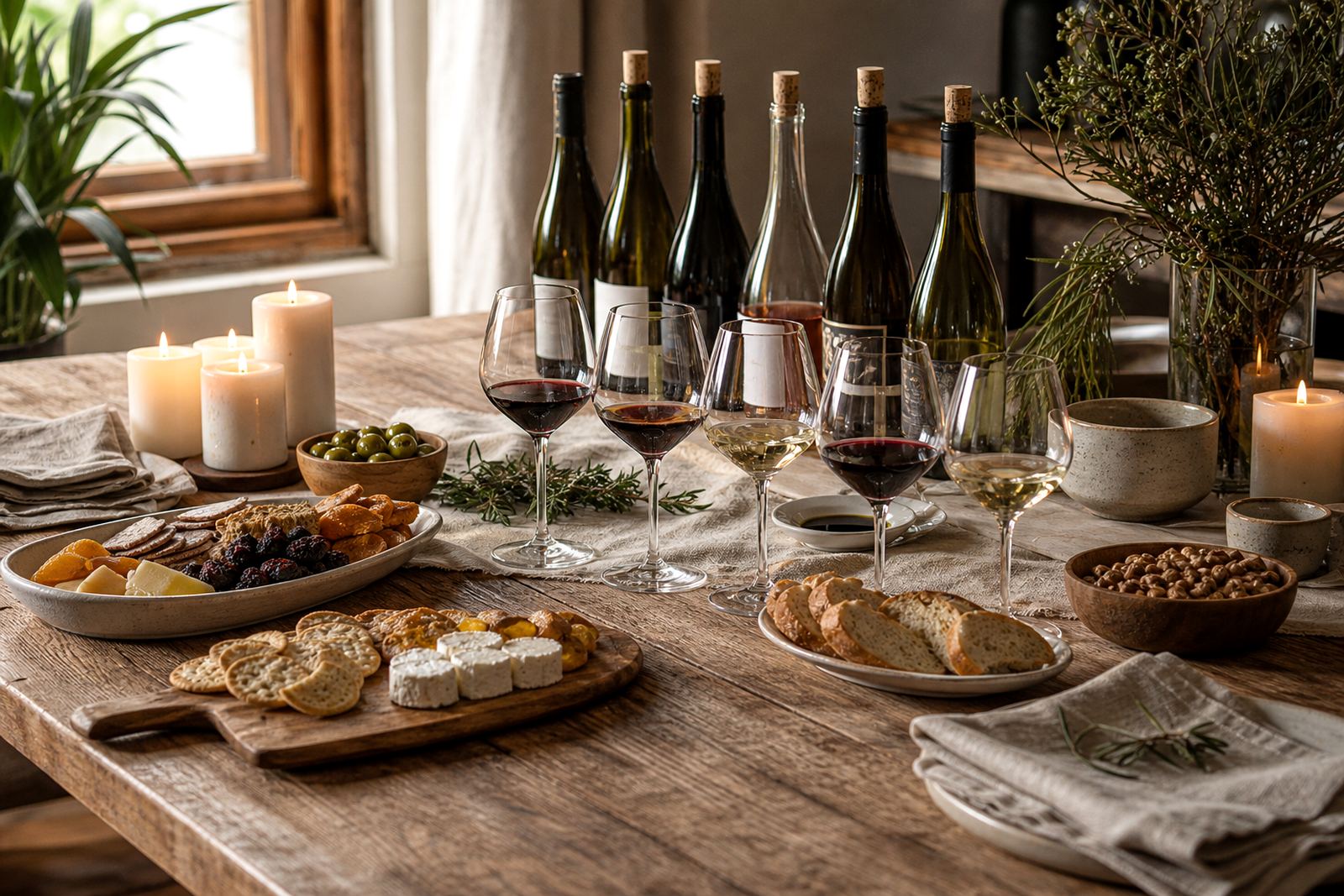
Food pairing dinners work best when the menu is built in steps. Start with salt and acid, then move into richer textures. If there is a cheese course, keep the stronger cheeses for later in the evening. A soft goat cheese with herbs or a mild cheddar often sits better with sparkling wine than a very sharp blue. Members in Franschhoek especially like how a simple local menu can still feel carefully thought through.
- Vetkoek and savoury mince suit dry bubbly very well.
- Snoek pate works with crisp white wine and fresh bread.
- Peri-peri chicken pairs best with bubbly that has enough acid to cool the spice.
How to choose pairings for your own event
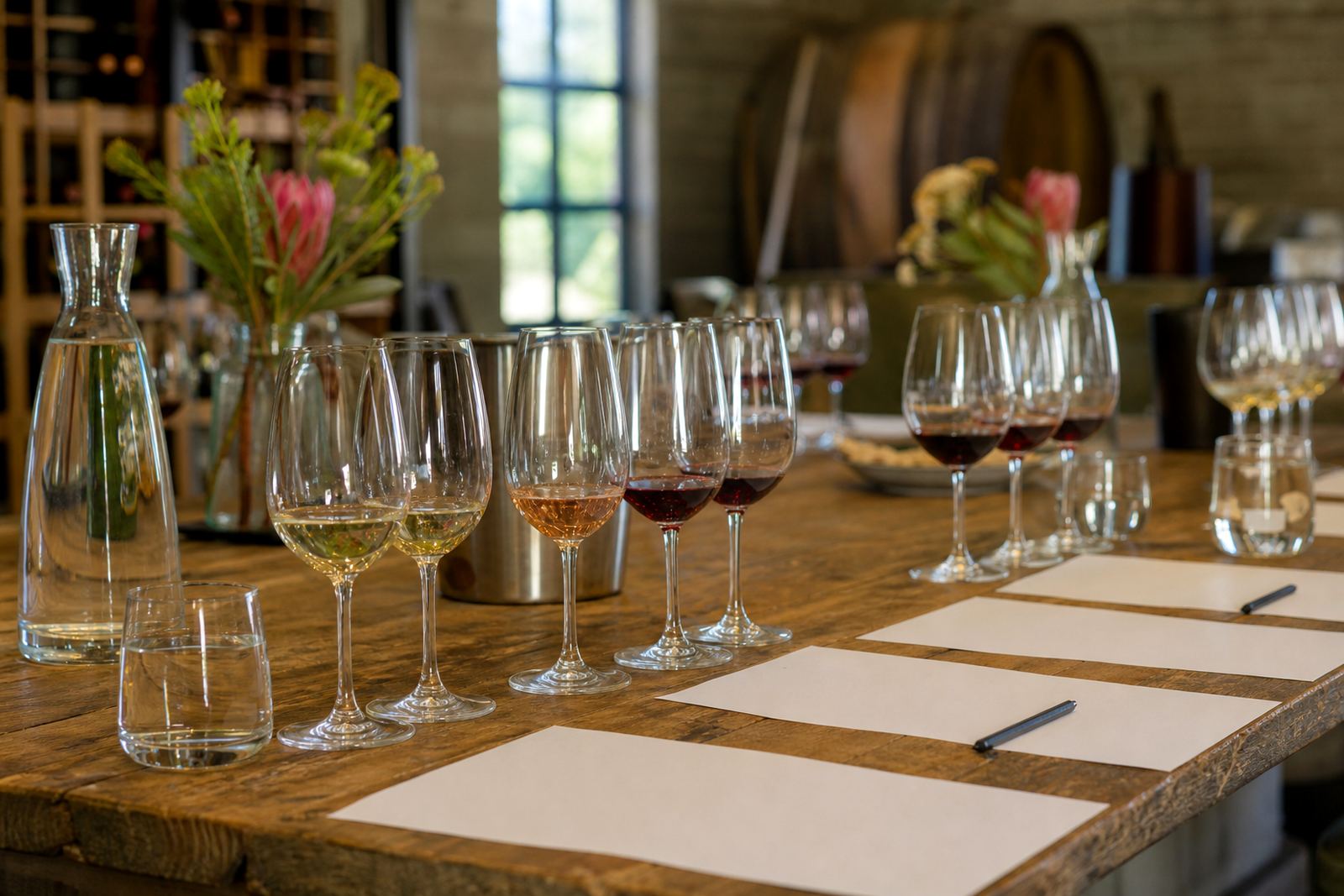
If you are planning a private home tasting, corporate evening or small celebration, the easiest way to get pairings right is to keep the menu focused. Pick one sparkling wine, one white and one red, then build the food around those styles. This avoids the common problem of having too many bottles and no clear direction. It also helps when load shedding interrupts the evening because you are not trying to keep five open wines in good condition.
For larger events, especially in places like Cape Town or Paarl where catering can shift with venue rules and serving times, practical prep matters. Chill whites and bubbly in advance, decant reds only if needed, and keep sauces on the side where possible. At one recent tasting in Franschhoek village, a simple menu of grilled chicken, roast butternut, herb salad and a light mushroom dish gave members enough variety without muddling the wines.
- Use 3 wines maximum for a small tasting menu.
- Build food around acid, salt, texture and not just sweetness.
- Keep cold wines properly chilled and red wines out of direct sun.