
Choose wines that suit the room, not just the story
For book clubs, the safest choice is usually a wine with clear fruit, gentle oak and moderate alcohol. You want something that works with a cheese board, a pasta bake or a few samoosas, and still tastes good once the second round of conversation starts. Wines that are too tannic, too sweet or too high in alcohol can split the room quickly.
As a rule, aim for bottles that are easy to describe in plain language. Think ripe berries, citrus, peach, apple, spice or a light floral note. Those flavours are familiar enough for mixed groups, but still interesting enough to keep the chat going. If half the group prefers red and the other half wants white, choose one of each and keep the style broad.
- Look for medium-bodied reds rather than very heavy styles.
- Choose whites with fresh acidity and some fruit weight.
- Include one bubbly if you want to start the evening on a social note.
- Keep the alcohol level sensible so people can read and talk comfortably after tasting.
Three safe styles that nearly always work
When you need crowd pleasing options, start with wines that are familiar but not boring. A bright white, a soft red and a dry sparkling wine will cover most preferences and most food pairings. This makes it easier if your group meets in a flat in Sea Point, a townhouse in Stellenbosch or a home in Durban with humid evening weather and lighter snacks.
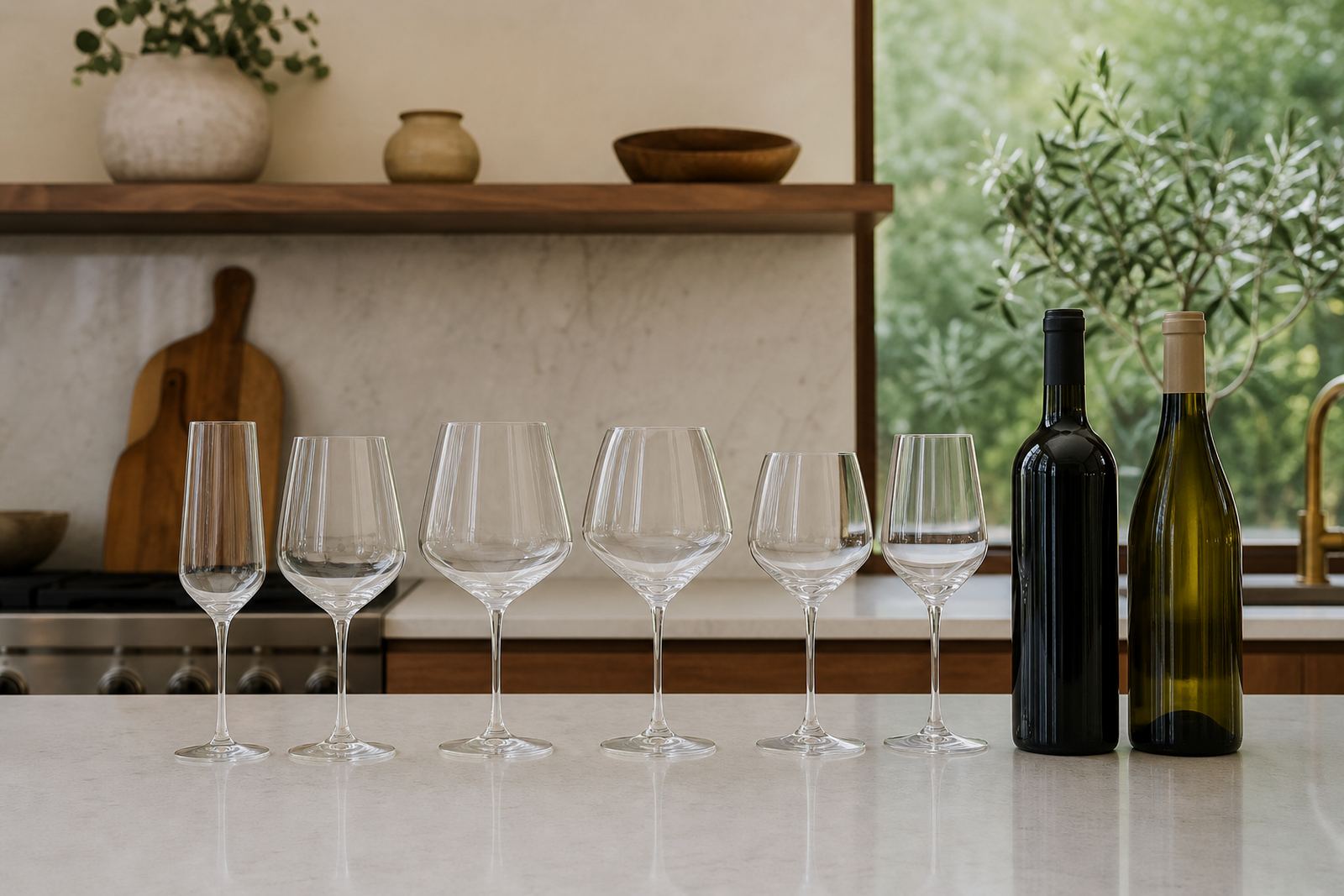
A crisp white with citrus and stone fruit works well with chicken pie, fish cakes or caprese-style snacks. A smooth red with plum, cherry and a little spice is a strong choice for roast meats, mushroom dishes or savoury tarts. For bubbly, choose a dry sparkling wine with lively bubbles and a clean finish. It feels festive without overpowering the room.
- White: Chenin-style wines, lightly wooded Chardonnay, Sauvignon Blanc with softer fruit.
- Red: Cinsaut, Pinotage with gentle tannins, Merlot blends or Shiraz blends with restraint.
- Bubbly: Brut sparkling wine, brut rosé, or a Methode-style bottle for an occasion night.
Try to avoid very oaky whites, aggressive tannins or heavily sweet wines unless your group specifically asks for them. Those styles can make the snacks taste flat and the discussion harder than it needs to be.
Build the tasting around the book discussion
The smartest book club tasting is one that supports the theme of the book rather than fighting it. If the novel is set in a coastal town, serve a saline, fresh white. If the story feels warm and celebratory, bring in a bubbly. If the group is reading something dark and layered, a supple red with spice can suit the mood without becoming too serious.
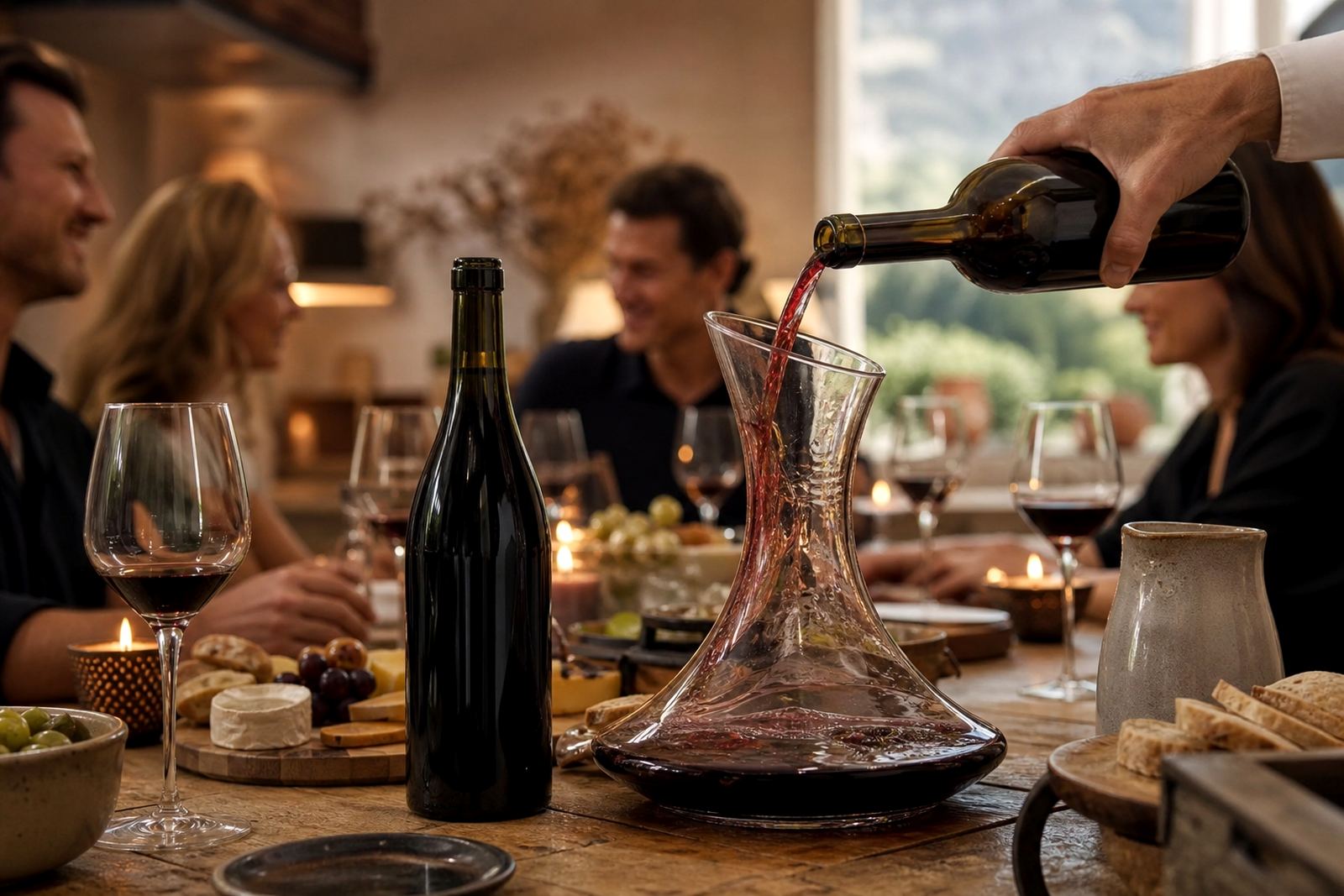
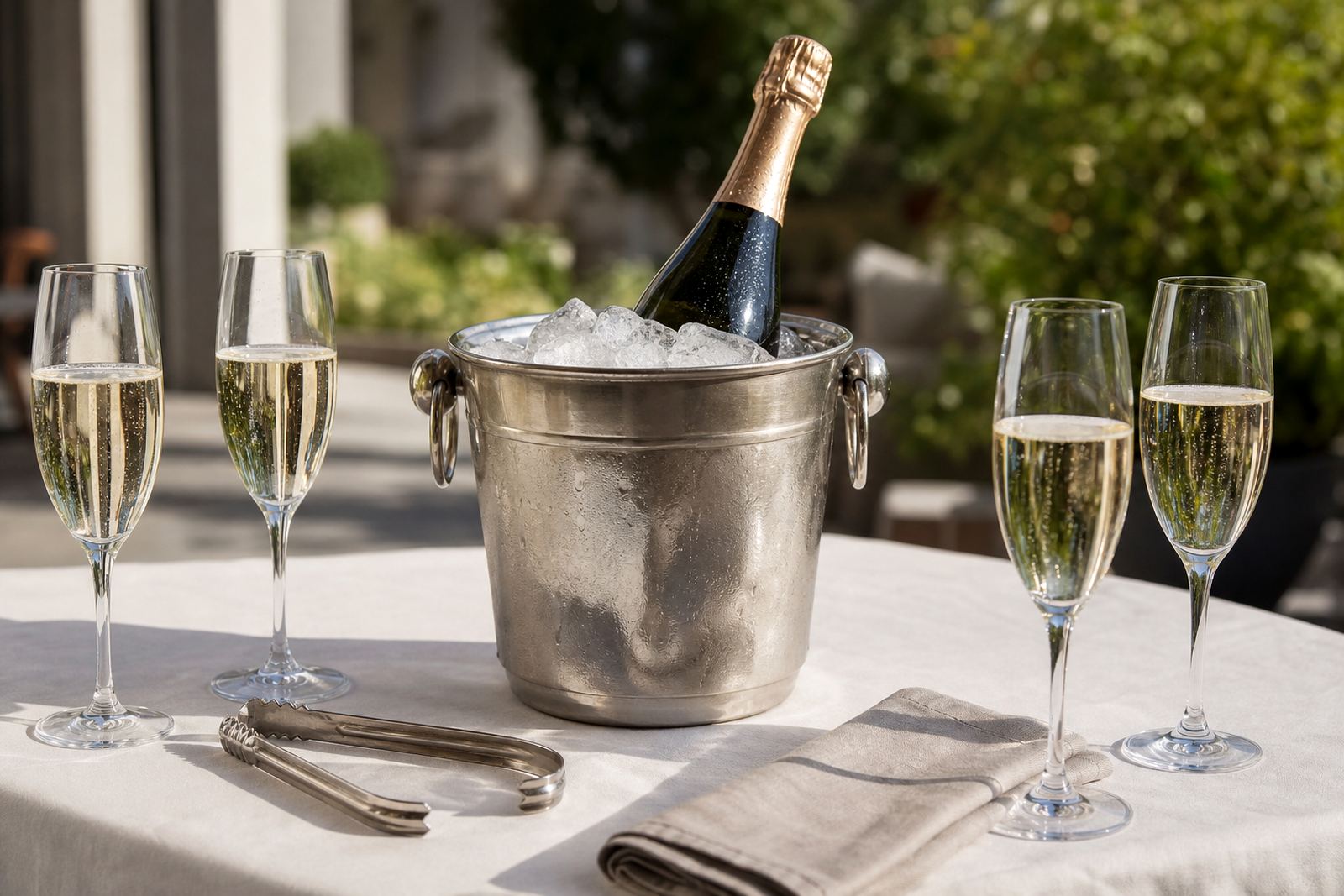
You do not need an elaborate spread. Three wines, 50 ml pours, and a few simple plates are enough for most groups. In summer, especially in places like Franschhoek or Somerset West, keep whites and sparkling wines chilled right until serving. In winter, let reds breathe for 20 to 30 minutes before pouring. If your venue is affected by load-shedding, chill the wines early and use an ice bucket so temperature stays steady.
- Match the wine weight to the tone of the book.
- Keep pours small so everyone stays sharp for the conversation.
- Use plain crackers, bread and one or two cheeses to avoid flavour clashes.
- Label each bottle so people can note what they liked and why.
A South African club example that keeps everyone involved
At a Franschhoek book club, a practical line-up could be a fresh Chenin-style white, a soft red blend and a dry rosé bubbly. That gives the group variety without sending anyone into tasting overload. The white opens conversation about freshness and orchard fruit, the red gives enough structure to compare with the book’s themes, and the bubbly makes the evening feel like a proper occasion.
If your group includes both new wine drinkers and more seasoned tasters, keep the explanation simple. Ask everyone to note aroma, taste and aftertaste in three words. For example, one guest may say pear, lemon and clean, while another says cherry, spice and smooth. That format works well because no one needs to know formal tasting language to join in. It is also a good way to keep the chat moving if the group is large.
For a local touch, choose wines from South African producers across the Cape rather than importing too many outside styles. It supports local cellars and gives the group a chance to discuss how climate, soil and winemaking shape the bottle. That is often more interesting than trying to impress anyone with a fancy label.
Pairings that are easy to prepare at home
Book club hosts do best with food that can be prepared earlier in the day. That means no last-minute cooking and no complicated ingredients. The right snacks should support the wine, not compete with it. A good spread can be assembled with local cheeses, biltong, crackers, grapes and one warm dish if you have the time.
If the wines are lighter, keep the food fresh and salty. If the wines are fuller, add a bit more richness. The aim is balance. A baked camembert, peri-peri nuts or a small tray of savoury pastries can do a lot of the work. In coastal areas where humidity runs high, keep delicate snacks covered until serving so they do not soften too quickly.
- With white wine: mild goat’s cheese, grilled chicken skewers, calamari bites, salted nuts.
- With red wine: beef samoosas, mushroom tartlets, mature cheddar, biltong.
- With bubbly: salted crisps, sushi, strawberries, mini quiches, light canapés.
How to keep the evening relaxed and useful
A book club tasting should feel organised but not formal. Give each wine a short introduction, then let the group talk. One person may focus on food, another on aroma, another on whether the wine matched the mood of the book. That variety is what makes the evening enjoyable. It also stops one or two loud voices from taking over, which can happen fast once a bottle has been open for a while.
It helps to keep water on the table and to remind everyone that tasting notes are personal. A wine does not need to be expensive to be worth discussing, and a bottle that one person loves might only be okay for someone else. That is normal. If the group meets regularly, keep a simple record of what worked so next month’s selection is even easier.
For clubs that want more guidance, a hosted tasting evening or a virtual group tasting can work well. It gives the group structure, a clear tasting flow and some extra context around South African wines and bubbly. Whether the evening is in Johannesburg, Cape Town, Durban or right here in the Cape Winelands, the goal stays the same: good wine, good conversation and a room full of people who want to come back next month.