
What decanting actually does to red wine
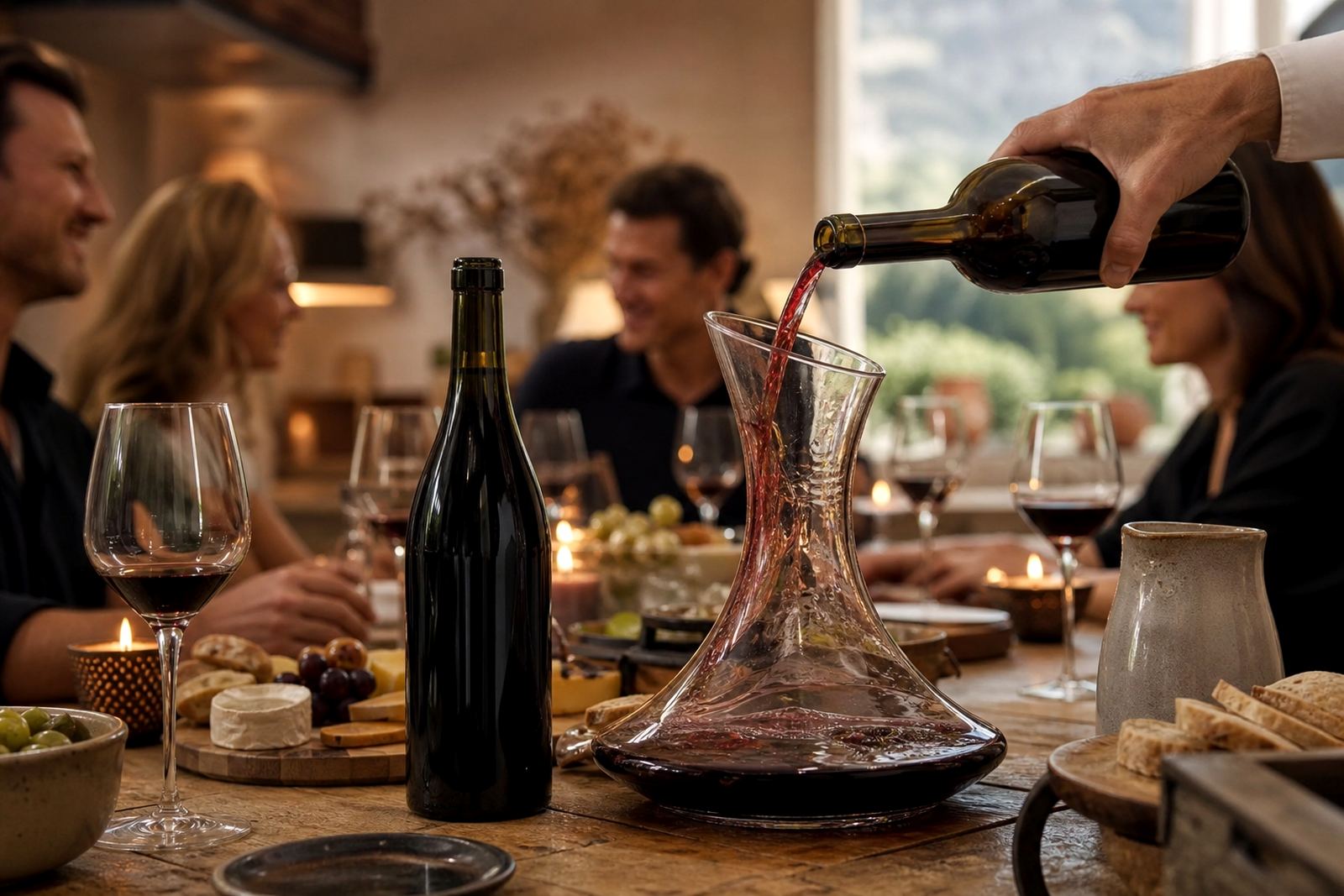
Decanting means moving wine from the bottle into another vessel so it can breathe before serving. For some reds, that bit of air softens sharp tannins, opens up the aroma, and helps the wine taste less closed at first pour. For others, it makes very little difference, so there is no need to fuss.
The main reason people decant is simple: oxygen changes the wine. A young, firm red may smell tight in the bottle and taste better after 20 to 60 minutes in contact with air. Older bottles can also benefit because decanting separates the wine from any sediment that has settled over time. In South African homes, especially on a warm Friday evening in Stellenbosch or Paarl, that can be the difference between a wine that feels shy and one that is ready to serve.
When decanting is worth the effort
Not every red needs a decanter, but certain styles usually benefit. Bigger, fuller wines with firm tannins often need air to show their best side. Think of wines with plenty of structure, or bottles that have only just started opening up in the glass. A quick decant can also help if a wine has a slightly reduced smell on opening, which sometimes happens after bottling.
As a rule, decant when you want the wine to soften and stretch out a bit. It is especially useful for dinner wines that are going with rich food, braaied lamb, oxtail, or a proper winter potjie. If you are opening a bottle for guests and want it to feel generous from the first sip, decanting is usually worth the effort.
- Young red wines with noticeable tannin
- Full-bodied reds for a long meal
- Older bottles with sediment at the bottom
- Wines that smell closed when first opened
When you can pour straight away
Plenty of reds are better left alone. Lighter styles, softer blends, and wines meant for easy drinking often show their fruit straight from the bottle. If the wine is already fragrant and balanced, decanting may flatten the freshness rather than improve it. That is especially true when the bottle is being opened for a casual evening and you do not want extra steps.
A good test is to pour a small amount and taste it. If it already smells open, feels smooth, and does not have much sediment, leave it be. Some wines are made for drinking fresh, and decanting them is a bit like over ironing a T-shirt. It is not needed, and it can take away the easy charm. In coastal towns like Cape Town or Durban, where humidity can affect storage, the bigger concern may simply be serving the wine at the right temperature.
- Light red wines with soft tannins
- Fruit-forward bottles for everyday drinking
- Wines already showing good aroma and balance
- Anything you plan to finish soon after opening
How long to decant without overdoing it
Timing matters. A delicate wine can become tired if left too long, while a firm young red may need more than a quick splash. There is no single correct answer, but a practical approach keeps things easy. Start with 15 to 30 minutes for lighter reds and 30 to 60 minutes for fuller bottles. Very old wines may only need a gentle decant just before serving.
If you are unsure, taste as the wine opens. That is the best guide. A bottle can change quite a lot in the glass, especially if the room is warm or the meal is slow. For a tasting evening in Franschhoek, one bottle may be poured over the course of an hour while guests chat, compare notes, and nibble on biltong, cheeses, or roast nuts. By the time the second glass is poured, the wine may already be showing a different side.
- Light reds: 15 to 30 minutes
- Medium-bodied reds: 20 to 45 minutes
- Full-bodied reds: 30 to 60 minutes
- Very old reds: decant briefly and serve soon
A local example from a South African dinner table
Picture a family dinner in Somerset West after a long day, with the table set for roast beef, mushroom gravy, and slow roasted vegetables. One bottle is young and firm, another is already soft and fragrant. The firmer wine is poured into a wide jug an hour before supper, while the gentler bottle stays in the glass bottle and is opened closer to the meal. Both wines have their place, but they do different jobs.
That is the point of decanting: not ceremony for its own sake, but a practical way to let the wine fit the moment. If the food is rich and the guest list is chatty, a little air can help a red feel more generous and easier to enjoy. If the evening is simple, or the bottle is already expressive, keep it uncomplicated. The best choice is the one that lets the wine taste like itself.
Simple serving habits that make reds taste better
You do not need special tools to treat red wine well. A clean jug can work if you do not have a proper decanter, and a steady hand is enough for most bottles. Keep the wine out of direct sun, avoid storing it next to a stove or in a hot boot, and serve it at a sensible temperature. In many South African homes, that means not too warm, especially during summer power cuts when indoor temperatures can creep up.
It also helps to think about the whole bottle, not just the first glass. If you are serving a group, decide whether the wine should be opened early or kept closed until the food is on the table. If you are planning a private tasting in Constantia or a birthday evening in Johannesburg, a few small choices like this can make the wines more enjoyable without turning the evening into a lesson. Keep it practical and you will rarely go wrong.
- Use a clean vessel with enough surface area for air
- Store bottles in a cool, dark place
- Serve reds slightly cooler than room temperature if needed
- Taste before deciding on a long decant