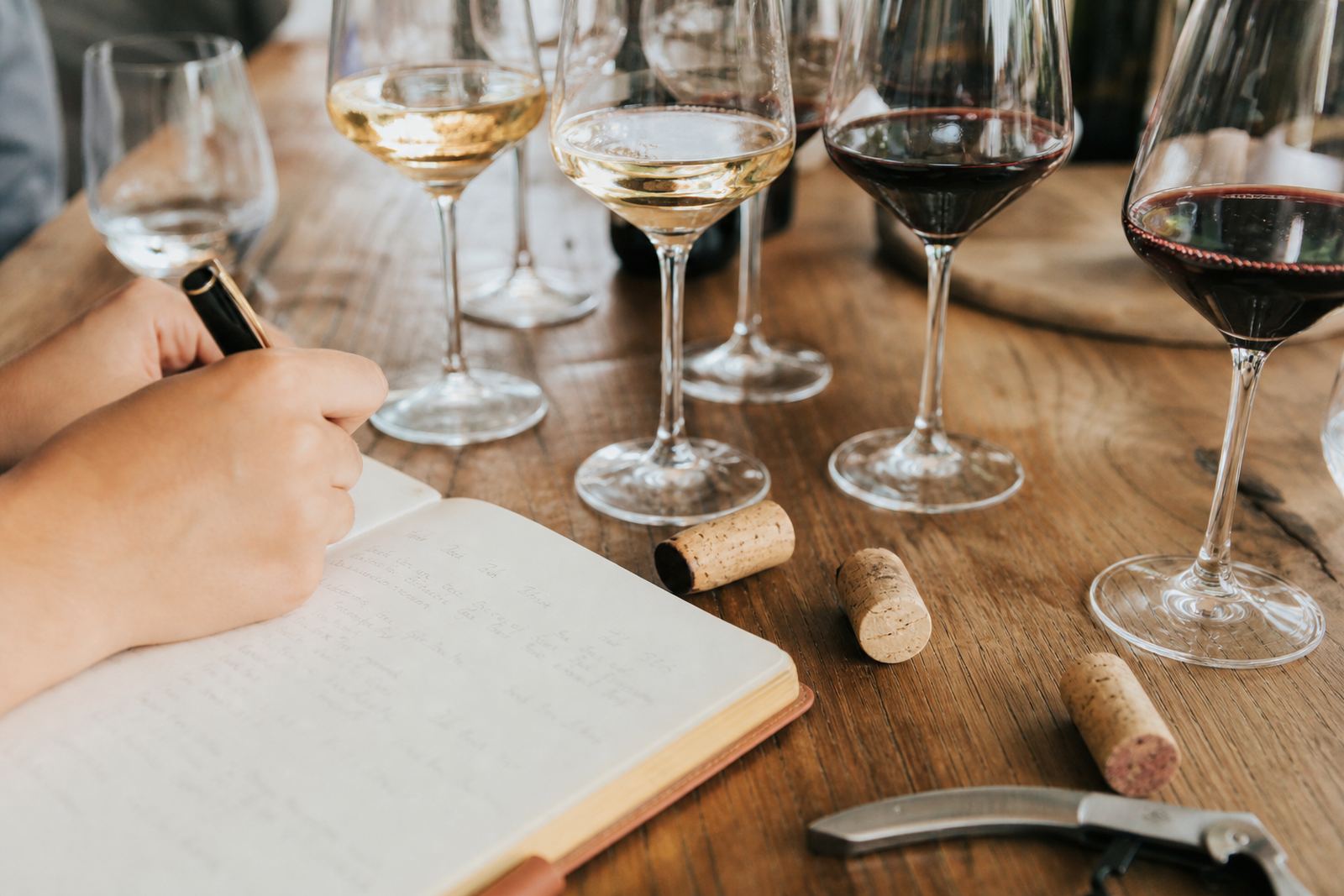
Why a few good notes beat a vague memory
Most people remember whether a wine was “nice” or “too sweet”, then draw a blank a week later. That is where proper notes help. You do not need to write a long review, only enough detail to spot patterns in what you enjoy and what you keep buying by mistake.
A useful note is personal, not polished. It should tell you how the wine tasted, what you ate with it, where you drank it, and whether you would buy it again. If you taste at a tasting evening in Stellenbosch or at home in Somerset West, the same bottle can feel different depending on the setting. Write that down too, because context matters.
- Record the producer or wine name, grape or blend, and vintage.
- Note whether it was still, sparkling, dry, off-dry, light, medium or full bodied.
- Capture one or two clear flavours, not a long shopping list of fruit.
The note structure that actually gets used
The best system is the one you will keep using on a Tuesday night after load-shedding, when the candles are low and the dinner is already on the table. Keep it simple enough to finish in under two minutes. A notebook, phone note or tasting card can work, as long as you use the same format every time.
Try this order: appearance, nose, palate, finish, food match, and a final score or buy-again marker. That is usually enough to build a reliable record. If you are tasting bubbly, add the bead, mousse and how long the freshness lasted in the glass.
- Appearance: pale straw, gold, pink, bright, cloudy or clear.
- Nose: citrus, white peach, brioche, herbs, spice or floral notes.
- Palate: crisp, broad, creamy, dry, lively, savoury or soft.
- Finish: short, medium or long, and whether the taste stayed clean.
Use food, weather and place as part of the note
South African tasting notes make more sense when you include the conditions around the bottle. A coastal evening in Durban can make a wine feel fresher, while a warm summer lunch in Paarl may show more ripe fruit. Humidity, temperature and the food on the table all change how a wine comes across.
That is especially useful when you are comparing similar bottles. If one Chenin Blanc felt sharp at a Cape Town braai but lovely with grilled fish in Franschhoek, write both experiences down. Later you will see what really works for your palate instead of relying on one rushed impression.
- Write the meal or snack, such as roast chicken, snoek, biltong or aged cheese.
- Note the weather, especially hot days, wind, humidity or a cool evening.
- Record where you tasted it, from a quiet home dinner to a busy event in Johannesburg.
Small cues that help you remember bottles later
Names alone are easy to forget, so give your notes small anchor points. A colour, a smell or even the glassware can help a bottle stand out in your mind. When you revisit the note months later, those details jog memory better than a generic rating.
For example, a sparkling wine from a Franschhoek tasting might be remembered as the one with lemon peel, a fine bead and a biscuit finish. Another may have been the bottle that worked well with salty snacks at a birthday tasting party in Constantia. Those little cues make it easier to choose again for the right occasion.
- Use a one-line memory hook: “best with prawns” or “too ripe for my taste”.
- Mark bottles for an event type, such as birthday, corporate function or quiet dinner.
- Tick favourites with a simple yes, maybe or no for future buying.
How to keep notes without making it a chore
If note-taking feels like homework, it will not last. Keep it practical. Many people do well with a single page per bottle, or one running note in their phone. Others prefer a small card folder on the kitchen shelf. The format is less important than consistency.
For club members who taste regularly, it helps to create a short scoring system. You do not need ten categories. Three to five is enough. Focus on what matters most to you, such as freshness, balance, texture and finish. If you taste at a monthly box evening in Johannesburg, take five minutes before the bottle is gone and write while the wine is still in the glass.
- Keep one notebook for home tasting and one for event tastings if that suits you.
- Use plain language, not technical terms you will not remember later.
- Store notes with the bottle photo or label if you want a visual reminder.
A simple Franschhoek example you can copy tonight
Let us say you opened a sparkling wine at a small dinner in Franschhoek with goat cheese, olives and fresh bread. Your note might read: pale gold, fine bubbles, lemon and toast on the nose, crisp palate, clean finish, good with salty food, would buy again for celebrations. That is enough to remember the bottle without filling a page.
Now compare that with a still white from the same week: straw colour, green apple and pear, dry, lighter body, best with grilled chicken, better chilled hard, not a wine for rich sauce. Two useful notes like that tell you far more than a vague “nice wine”. Over time you will start seeing patterns in what suits your table.
If you keep tasting notes from home boxes, private tastings or a bubbly masterclass, your buying gets easier. You will know which styles suit warm afternoons, which bottles work with food, and which ones are best saved for a celebration rather than a weeknight meal.