Start With a Simple Theme You Can Actually Pull Off
The easiest first tasting is the one with a clear focus. Rather than opening every bottle in the house, choose one theme and keep to it. A good starting point is South African sparkling wines, one grape variety from different regions, or a mix of three to five local wines across white, red and bubbly. That gives the evening a sense of direction without turning it into a chore.
In Franschhoek, we often see first-time hosts get the best results when they keep things local and seasonal. In summer, a chilled Cap Classique-style bubbly and a crisp white work well for an early evening gathering. In winter, a softer red selection with a richer food spread feels more fitting. If you are hosting in Cape Town or Durban where humidity can rise, keep the wines cool and out of direct sun until pour time.
- Pick 3 to 5 wines, not more for a first event.
- Choose a theme that is easy to explain in one sentence.
- Buy enough for a small group of 6 to 10 people.
- Have one backup bottle in case a cork breaks or a wine is faulty.
A simple theme also helps guests feel included. They are not expected to be wine experts, just open to tasting and comparing. That takes the pressure off right from the start.
Set the Table for Comfort, Not Ceremony
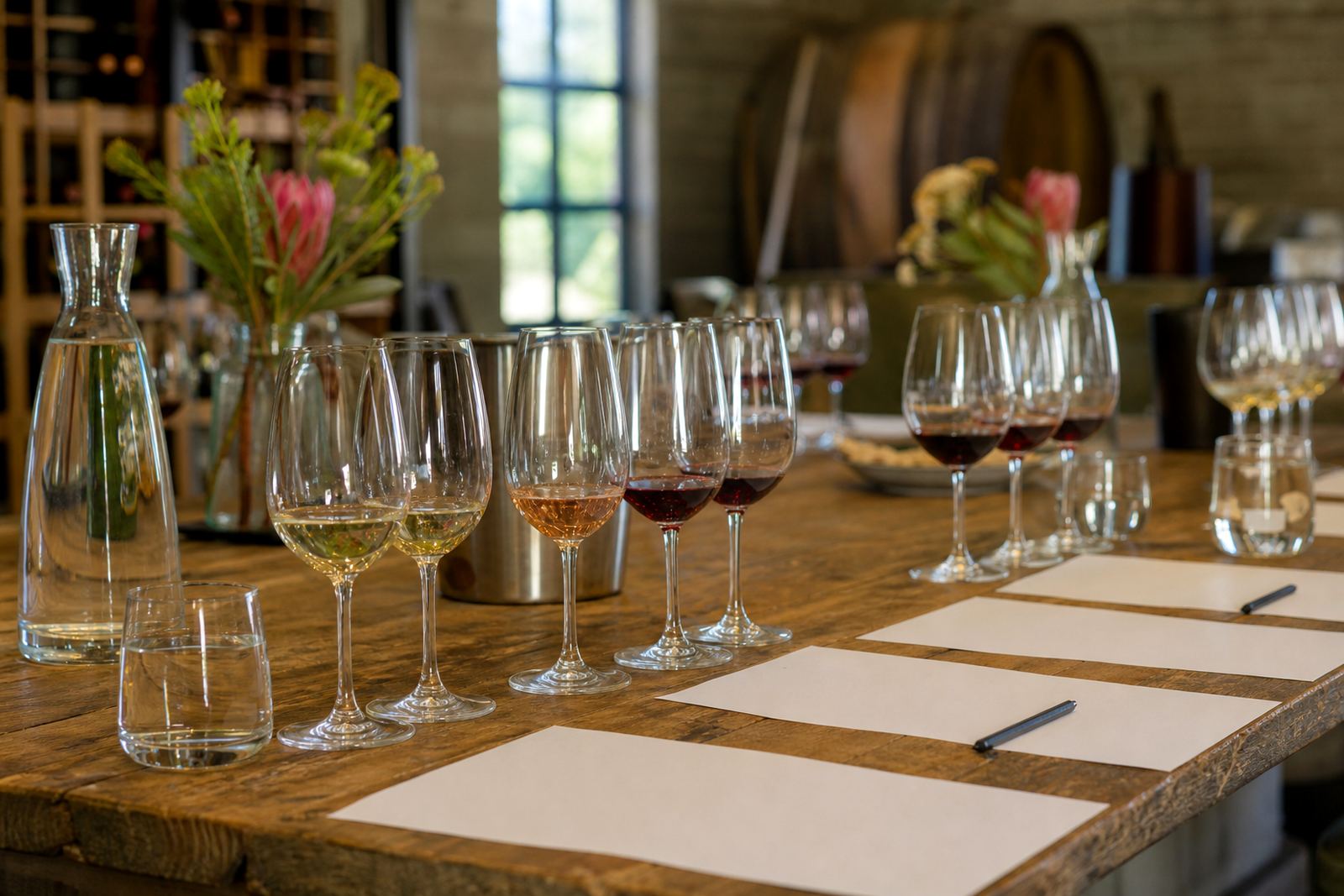
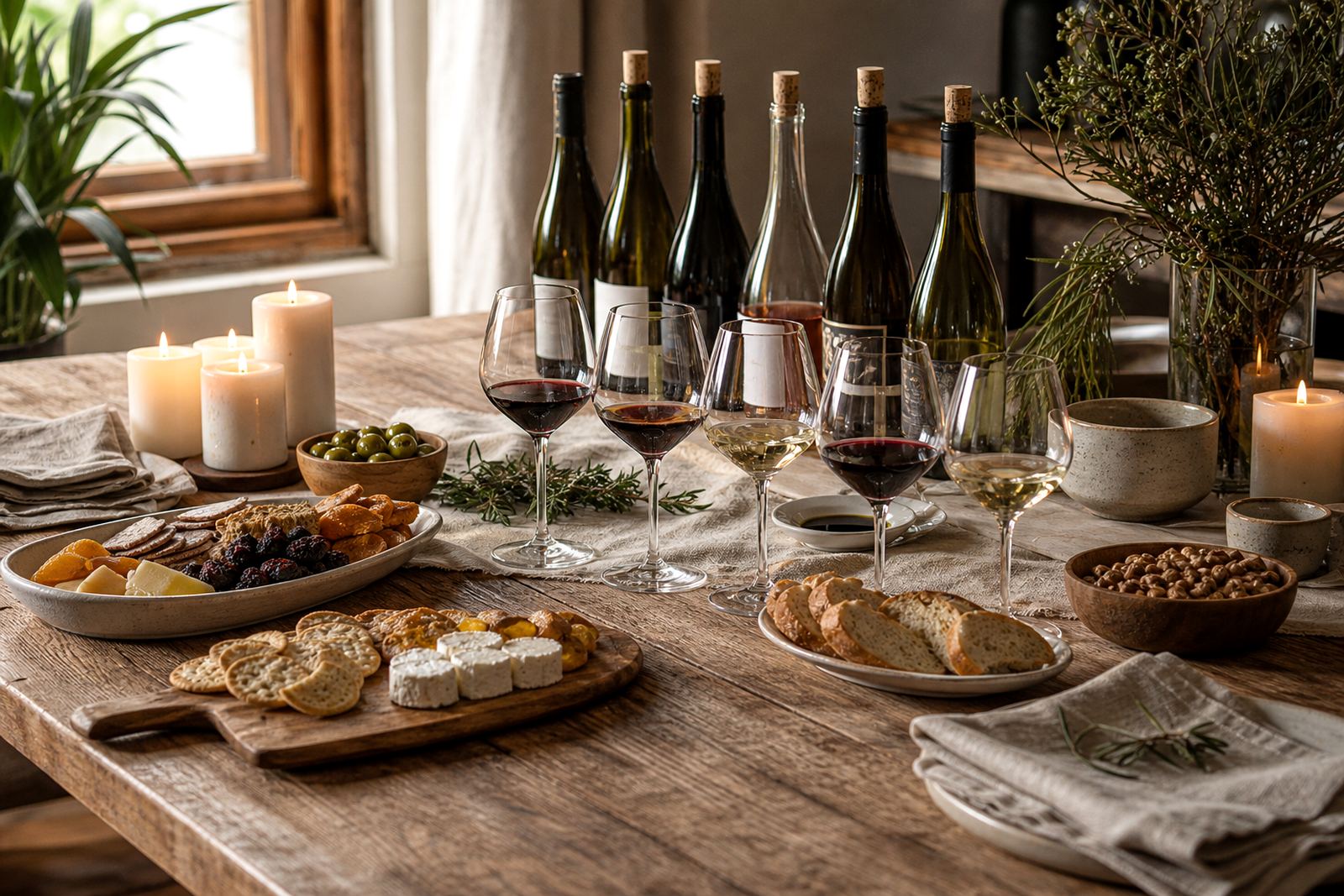
You do not need a polished formal setting for a good tasting. A clean table, enough seating, water glasses and a bit of space between guests is enough. If you are pouring several wines, place small cards or folded paper in front of each glass so people can keep track. A notebook or simple tasting sheet works well too.
Lighting matters more than many people think. Aim for enough light to see the colour of the wine, but not harsh overhead glare. In winter, a few candles can make the room feel warmer, though they should be placed safely away from glasses and napkins. If you are in a coastal area such as Somerset West or Constantia, remember that salt air and humidity can affect snacks and open bottles, so keep everything covered where possible.
- Use clear glassware if you have it, but do not stress if the shapes differ a bit.
- Set out still water and bread to refresh the palate.
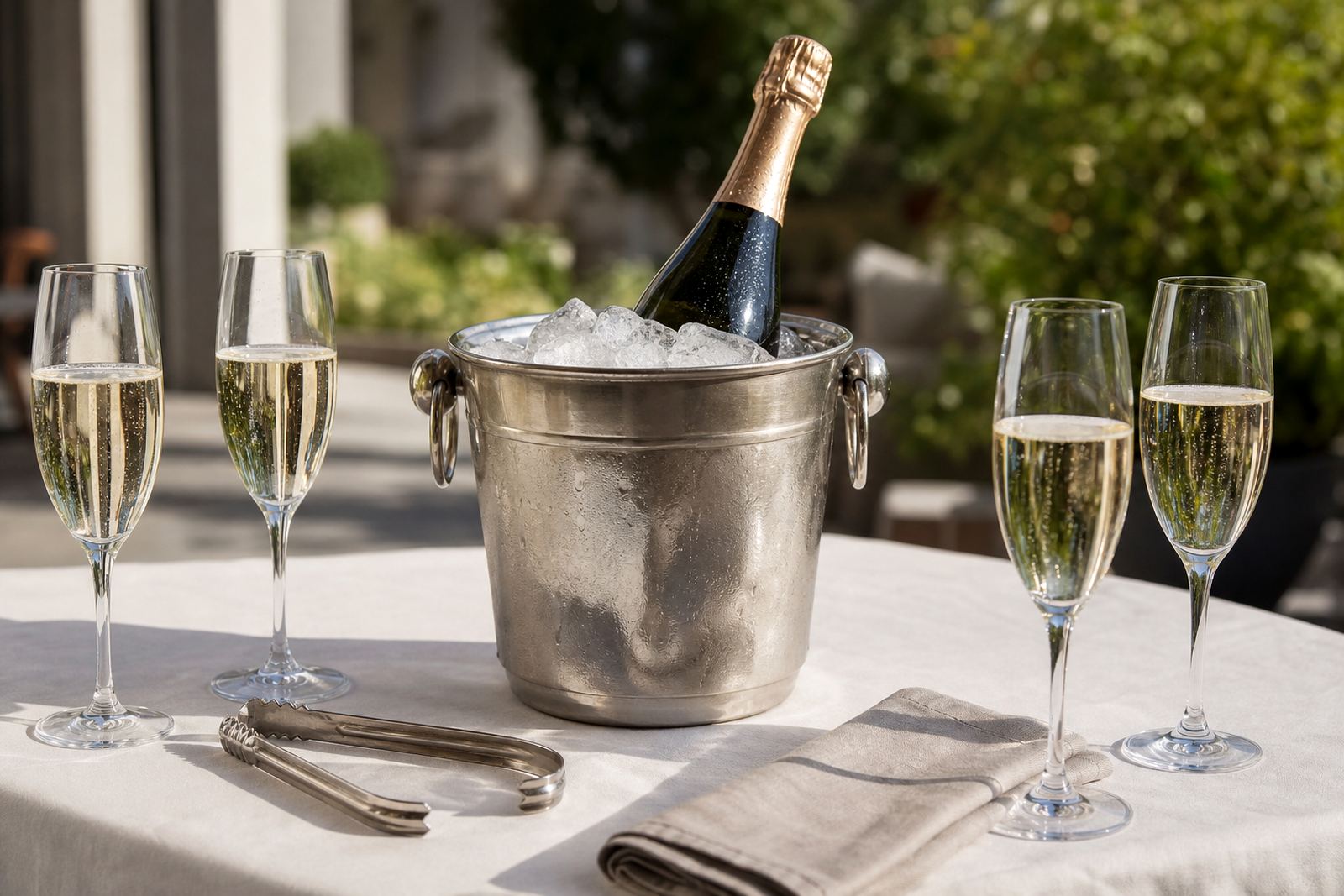
- Keep a bucket or cooler nearby for chilled wines.
- Have serviettes ready for spills, because they happen.
The aim is comfort. Guests should feel they can lean in, ask questions and taste without worrying about spills or formal manners.
Pour Small, Talk More and Keep the Pace Easy
For a first tasting, smaller pours are better. A 60 ml to 75 ml pour is usually enough for each wine, especially if you are serving several bottles. This keeps everyone fresh and avoids the last wines getting neglected. It also helps you compare wines properly instead of racing through them.
Start with the lightest wine and move towards fuller styles. That means sparkling wine first, then whites, then lighter reds and finally more structured reds if you are including them. Give each wine a few minutes of quiet tasting before opening the discussion. Some guests like to speak immediately while others need a moment to get their thoughts together, and thats fine.
If you are nervous about talking too much, use a few simple prompts:
- What do you notice first on the nose?
- Is the wine dry, fruity or creamy?
- Does the finish feel short or long?
- Which food would you serve with it?
Keeping the pace easy is what makes the evening enjoyable. A tasting should feel like a conversation, not a test. If someone loves a wine for a simple reason, that is a valid reason.
Choose Snacks That Help the Wine Instead of Fighting It
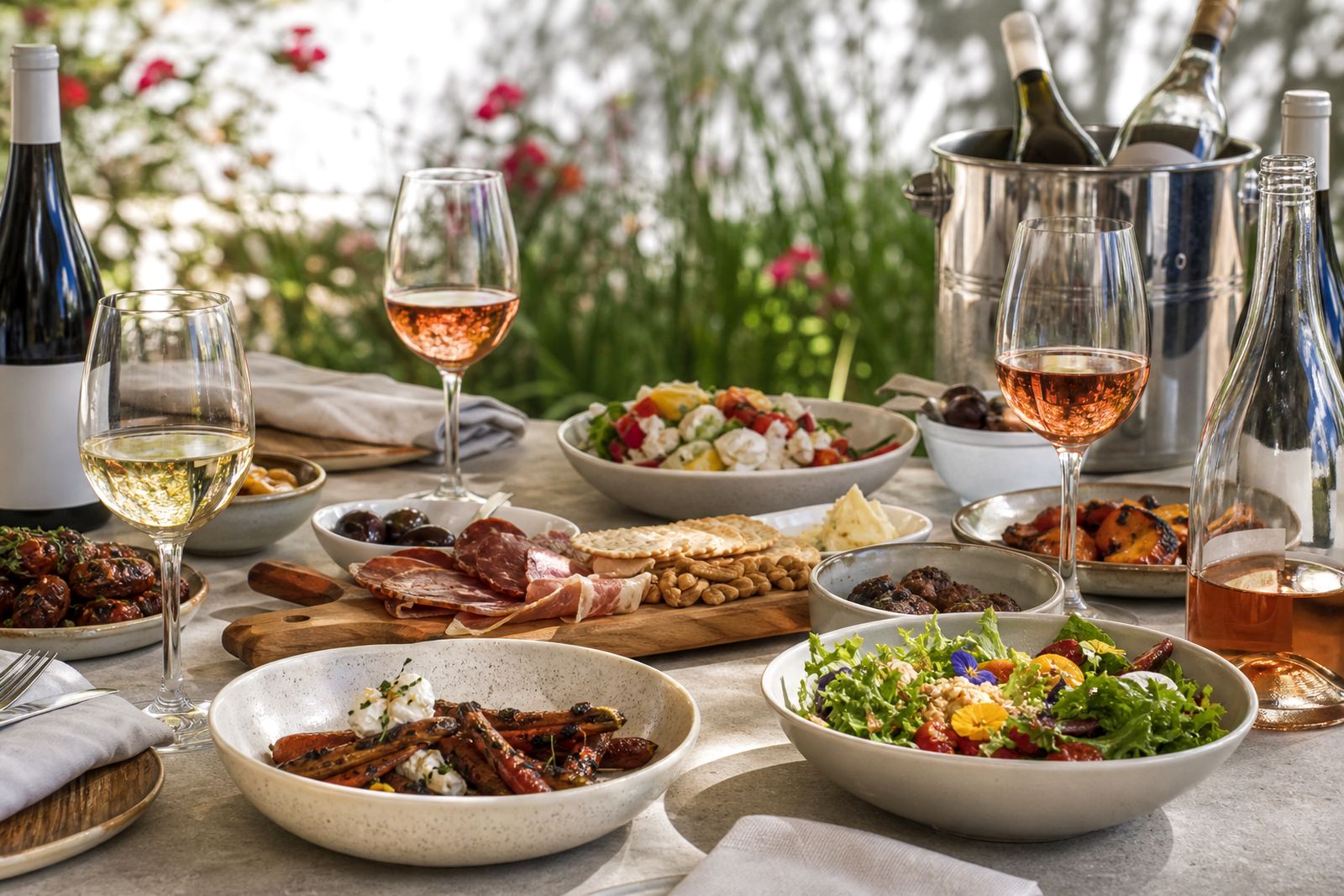
Food can make or break a first tasting. Heavy, spicy or oily snacks can overwhelm the wines, while a few thoughtful nibbles will support the flavours. Think plain crackers, sliced baguette, mild cheeses, olives, fresh grapes, nuts and some cured meats if your group enjoys them. Keep strong chilli heat to one side if you want the wines to show properly.
For South African wines, local pairings often work well. A bright Sauvignon Blanc can handle goat’s cheese or grilled fish bites. A Chenin Blanc pairs nicely with biltong and mild curry puffs. A Pinotage or other medium red can sit comfortably with lamb kebabs or mushroom tartlets. For bubbly, salty snacks and plain crisps often do the job better than fussy canapés.
- Offer one neutral palate cleanser such as plain bread or water crackers.
- Keep snacks at room temperature where possible for easier service.
- Avoid strongly perfumed foods near the wines.
- Label anything that contains nuts, dairy or pork if guests have dietary needs.
If you are hosting in Johannesburg or Durban and expecting guests to arrive in phases, set out the food in small batches so it stays fresh. That also helps keep the table tidy through the night.
Add a Local Story to Make the Evening Feel Personal
One of the best ways to make a first tasting memorable is to connect it to place. South African wine has a strong sense of regional character, and guests usually enjoy hearing a little about where a wine comes from. You do not need a full lecture. A few lines about the valley, the climate or the style is enough.
For example, if you are hosting in Franschhoek, you might build the evening around wines from nearby valleys and talk about how the cooler nights can help preserve freshness. In Stellenbosch, you could compare wines from more sheltered slopes with those from warmer sites. If your guests are in Cape Town and Durban on a virtual tasting, send the wines ahead of time and ask everyone to chill the bubbly for the right moment so they can pour together.
A local example works well too. A small birthday tasting in Paarl might start with a crisp sparkling wine, then a white for the starter and finish with a gentle red around the main course. The wine is important, but the setting and people are what make the memory stay.
Finish With an Easy Follow-Up So the Habit Sticks
Once the final glass is poured, do not let the evening end abruptly. Ask each guest to name their favourite wine and one thing they learnt. You can also let people vote for the bottle they would buy again. That simple feedback makes future tastings easier to plan and gives everyone a bit of ownership.
If you want to turn one good evening into a regular habit, keep a note of what worked. Record the wines, the snacks, the number of guests and any comments about the pace. Next time, you can adjust the selection or change the food without starting from scratch. A small tasting can become a monthly tradition with very little extra effort.
- Save the bottle labels or take a quick photo of the lineup.
- Write down the most popular wine before the memories fade.
- Ask guests whether they preferred a seated or more informal format.
- Plan the next theme while the evening is still fresh in everyone’s mind.
If you would like a stronger structure for a first event, a club-style box or guided tasting sheet can help you keep the wines balanced and the evening on track. It means less guesswork for you and more enjoyment for the people around the table.