Start with a learner-friendly tasting plan
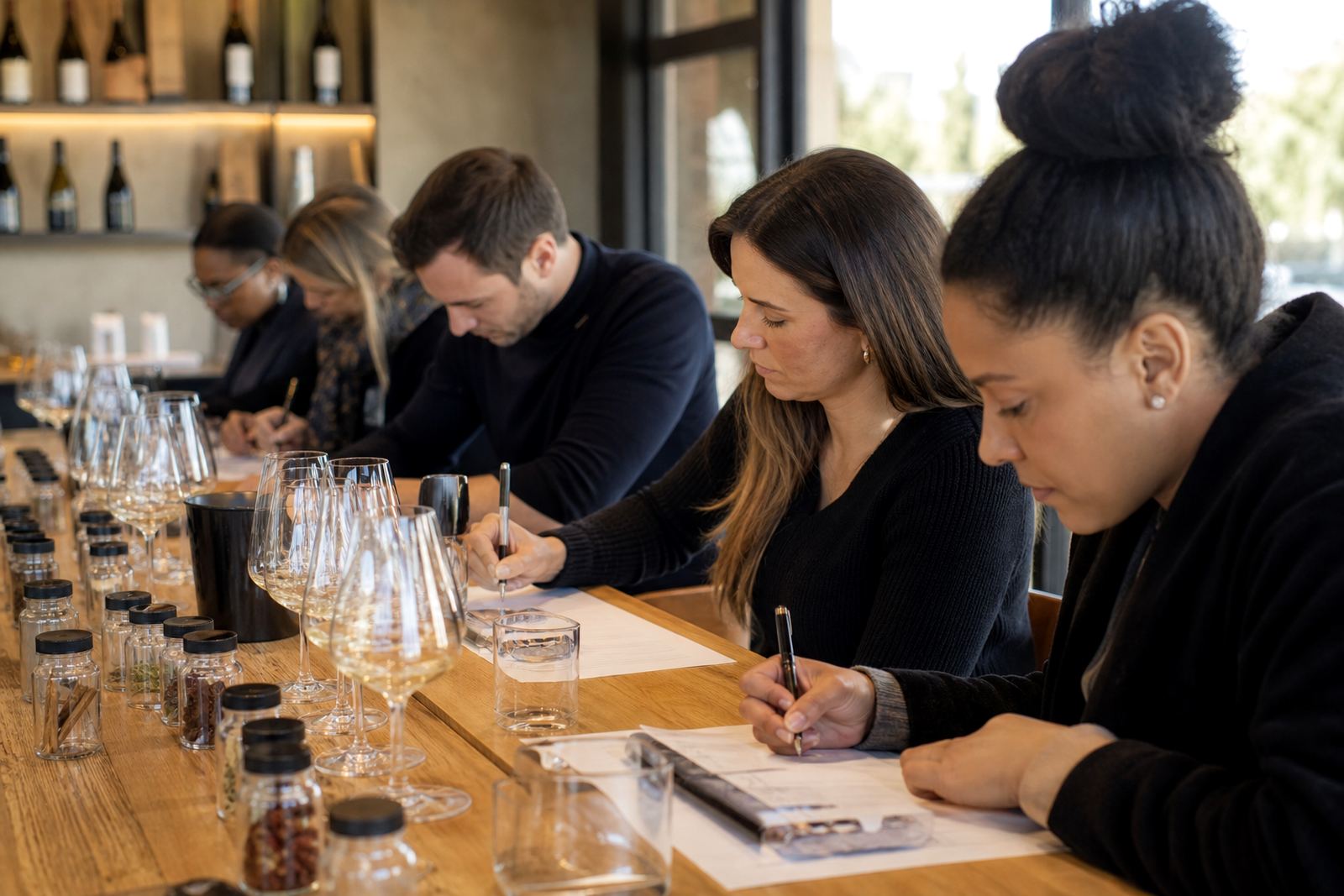
Wine learners do best with a simple plan that removes the pressure of knowing everything. At Ching Ching Cellar, that usually means starting with a small range of wines, a steady pace and clear guidance on how to taste, compare and record what you notice. The goal is not to impress anyone. It is to learn what you actually like, and why.
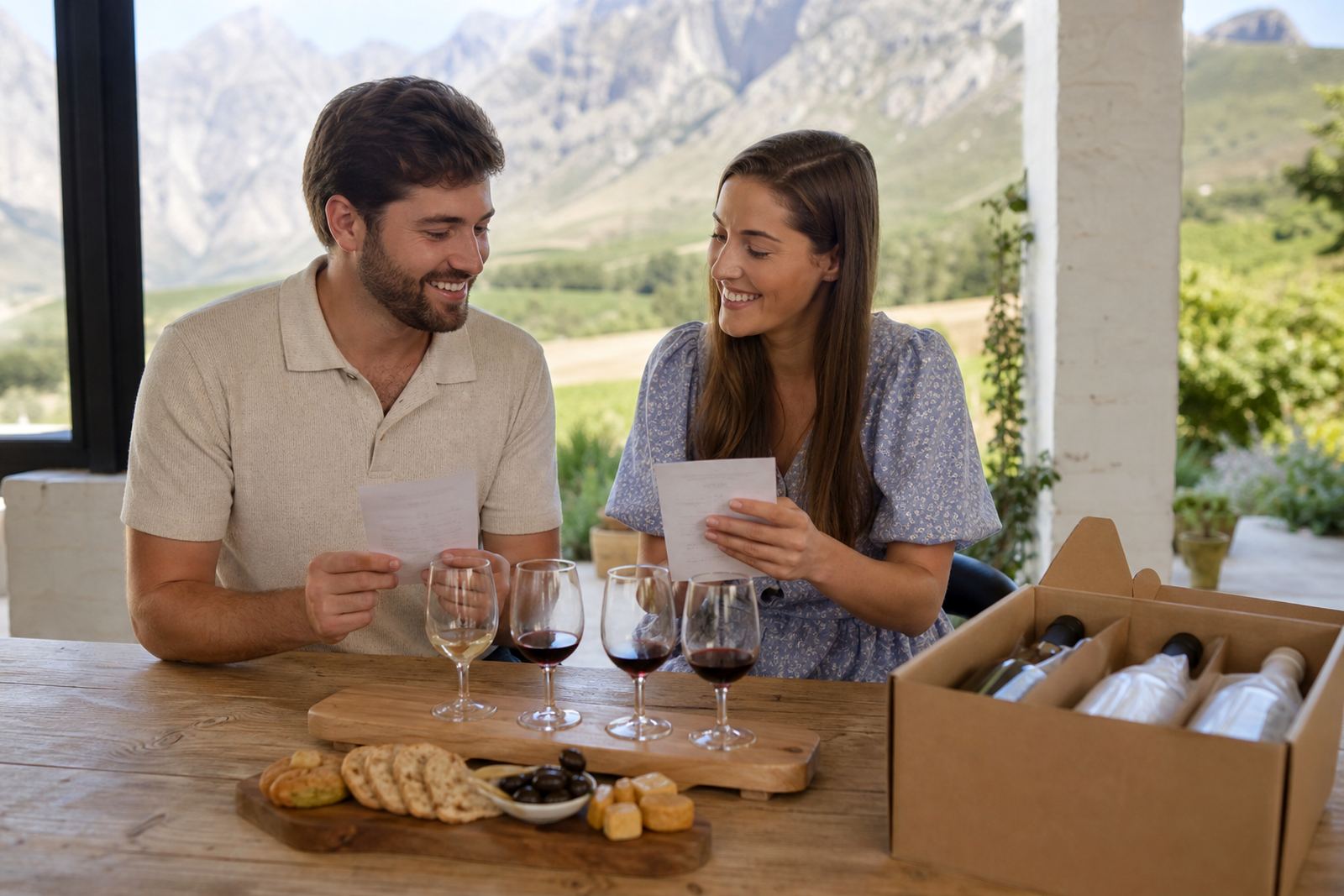
A good first tasting often includes 3 to 6 wines, ideally from different styles such as a crisp white, a light red, a richer red and one sparkling option. For members in Cape Town, Stellenbosch, Franschhoek, Johannesburg or Durban, we often recommend evening tastings after work, when the palate is fresh and the group can settle in without rushing. If you are hosting at home, keep food light and neutral so the wines stay central.
- Choose 1 sparkling wine, 2 whites and 2 reds for a beginner session
- Allow 10 to 15 minutes per wine for looking, smelling and tasting
- Use plain water and plain crackers between samples
- Keep the room cool, especially in summer or near the coast where humidity can affect serving temperature
Typical equipment for a confident first tasting
You do not need an elaborate cellar room or expensive gear to learn properly. A clean table, good glassware and a notebook are enough for most learner sessions. For a private home tasting, we usually suggest one glass per person per wine if possible, though you can also rinse between pours if you are keeping the budget tighter. Good lighting matters too, because colour and clarity are part of the lesson.
Monthly boxes are especially useful for learners because they reduce the guesswork. A typical box may include 4 to 6 bottles, tasting notes, serving suggestions and prompts for comparing aromas, acidity, sweetness and finish. For people in flats, townhouses or homes with limited storage, this is easier than building a large collection all at once. In summer, try to keep bottles away from direct sun and warm kitchens. If load-shedding affects your evening tasting, keep a small cooler bag and reusable ice packs nearby for whites and bubbly.
- 6 to 12 wine glasses depending on group size
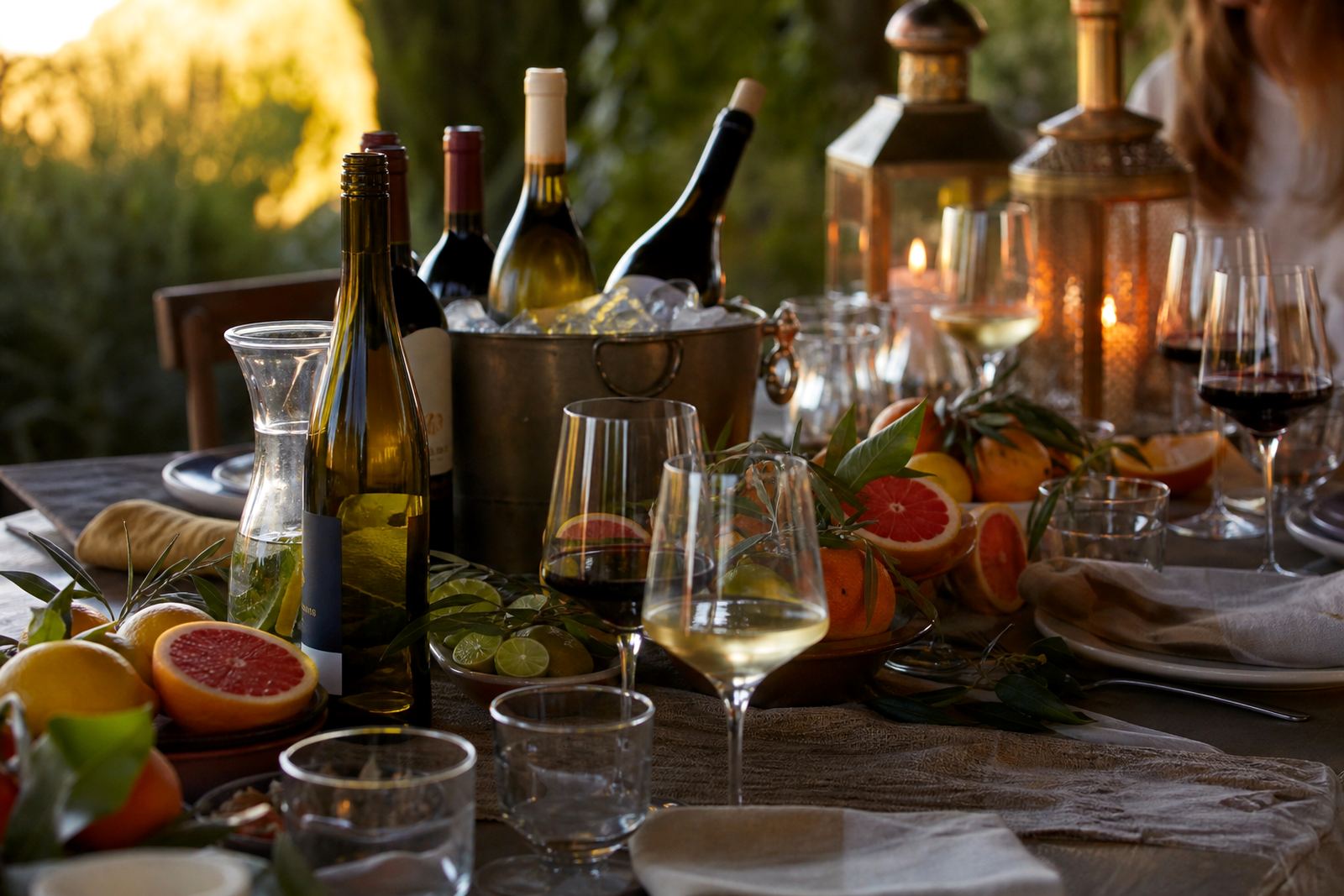
- Ice bucket or cooler box for white and sparkling wine
- Notebooks or printed tasting sheets
- Water jugs, neutral snacks and a spittoon or rinsing bowl
- Optional corkscrew, decanter and a thermometer for serving temperature
How to lay out the room for learning, not showing off
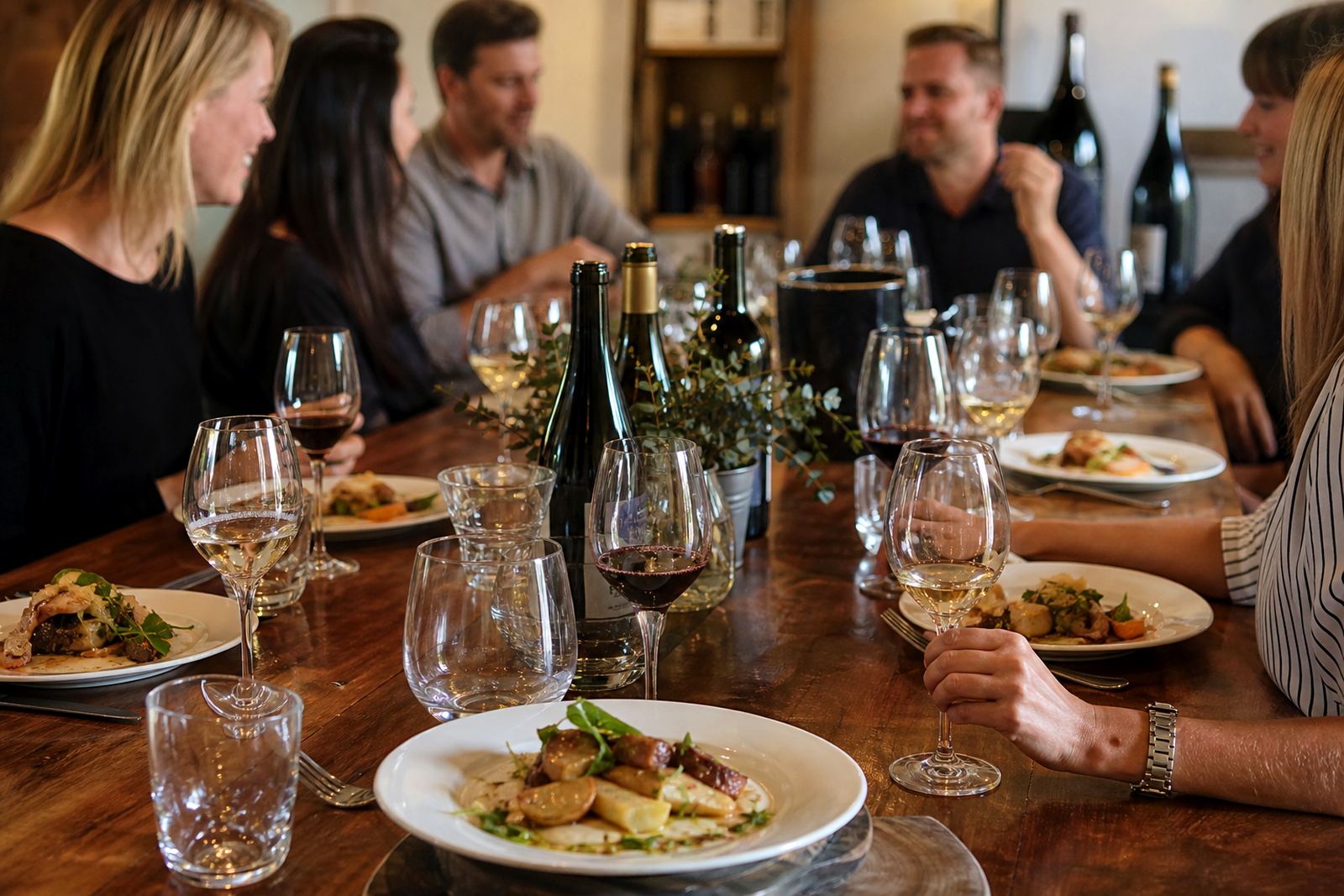
The best learner tastings are clear, calm and easy to follow. A long table works well because everyone can see the bottles, the notes and each other’s reactions. Place the sparkling wine first, then move from lighter styles to fuller ones. That order helps the group understand progression without muddling the palate too early.
If you are setting up for a club night, keep one side of the table for bottles and pouring, and the other side for notes and food. Label each wine with a number rather than a flashy name reveal, so the group focuses on what is in the glass. For corporate teams or birthday groups, it helps to have one person leading the order and one person handling pours. This keeps the evening tidy and avoids the common mistake of opening everything at once.
For private homes in Franschhoek or Constantia, outdoor tastings are lovely in good weather, but keep a backup indoor area ready. Wind can disturb glasses and coastal evenings get damp quickly. In apartments or smaller venues, make sure there is enough space for each guest to sit with a glass, note card and water. A crowded layout makes it harder to learn from the wines.
Common mistakes wine learners make
Most beginners do not need more wine, they need clearer habits. One of the biggest mistakes is serving reds too warm and whites too cold. Another is trying to write down everything at once. Short notes are more useful than long, vague comments. Words like fresh, dry, soft, smoky or citrus are fine. You are building a personal memory bank, not writing a review for a magazine.
Another issue is pairing learning with heavy food too early. Strong sauces, salty snacks and spicy dishes can overpower the wine and confuse the palate. Keep the first tastings simple. When members start to feel more confident, then you can bring in food pairing dinners or bubbly masterclasses. Also avoid opening too many bottles in one go, because a learner session with 10 wines usually means very little gets remembered.
- Do not serve all wines at the same temperature
- Do not use strongly scented candles or air fresheners in the room
- Do not pour large servings before everyone has started tasting
- Do not let the session run too late when the palate is tired
Budget ranges for learner clubs and home tastings
Budgets can stay sensible without cutting the learning value. For a small home tasting with 4 to 6 guests, you can usually work within R900 to R2 500 depending on the wines chosen and whether food is included. If you are planning a more polished guided evening with tasting sheets, pairing bites and a larger bottle range, the budget can move to R3 500 to R8 000. Corporate learner sessions, especially when travel and venue hire are added, often start around R6 000 and can run much higher for larger groups.
Monthly subscription boxes are a practical way to spread cost over time. Many members prefer this because they can learn steadily instead of spending a large amount in one month. Delivery across South Africa is also helpful for members outside the main wine towns. For remote areas, ask about timing so bottles are not left in hot conditions or delayed over a long weekend. It is worth planning ahead in harvest season when courier schedules can be busy.
When setting a budget, include glasses, water, ice, printed notes and transport if you are using a venue. If you are hosting in Durban or other humid areas, allow for a little extra on cooling and storage. It sounds minor, but keeping the bottles at the right serving temperature makes a big difference to the learning experience.
What works best for serious beginners
Wine learners progress faster when the format is repeatable. That means regular tastings, similar note sheets and a steady mix of local wines and sparkling options. Ching Ching Cellar is well suited to members who want guidance without fuss, whether they join a virtual group tasting, attend a seasonal event or order a monthly box for home study. A simple structure and consistent pace gives people confidence, and confidence changes how they taste.
If you are planning your own learner path, start with a few core questions: What do I smell first? Is the wine dry or sweet? Is it light or full? Does it finish quickly or stay on the palate? Those small questions make it easier to notice patterns over time. After a few sessions, most members can already tell which styles they prefer, which wines suit food and which bottles they would happily keep buying.