When the meal matters as much as the pour
Food pairing fans usually want more than a standard tasting tray. They want wines and bubbly that can sit comfortably beside grilled fish, slow-cooked lamb, roast chicken, vegetarian dishes and puddings without one overpowering the other. For that reason, the best events start with the menu, not the bottle list. If the evening is built around oysters and salty snacks, you will plan very differently than for a braai, a three course dinner or a cheese board in summer.
For club members, this often means a monthly box becomes a starting point for a meal at home. You open one bottle with starters, another with the main course and maybe keep a sparkling option for the final course. A good pairing night is not about showing off, it is about giving people a clear way to taste the difference that acidity, sweetness, texture and bubbles can make.
In the Western Cape, the climate helps for outdoor meals but coastal humidity can make storage a bit tricky if bottles sit too long near a stove or a sunny window. Keep them in a cool cupboard or wine rack and avoid letting the bottles warm up before serving.
Typical set-up for a pairing evening
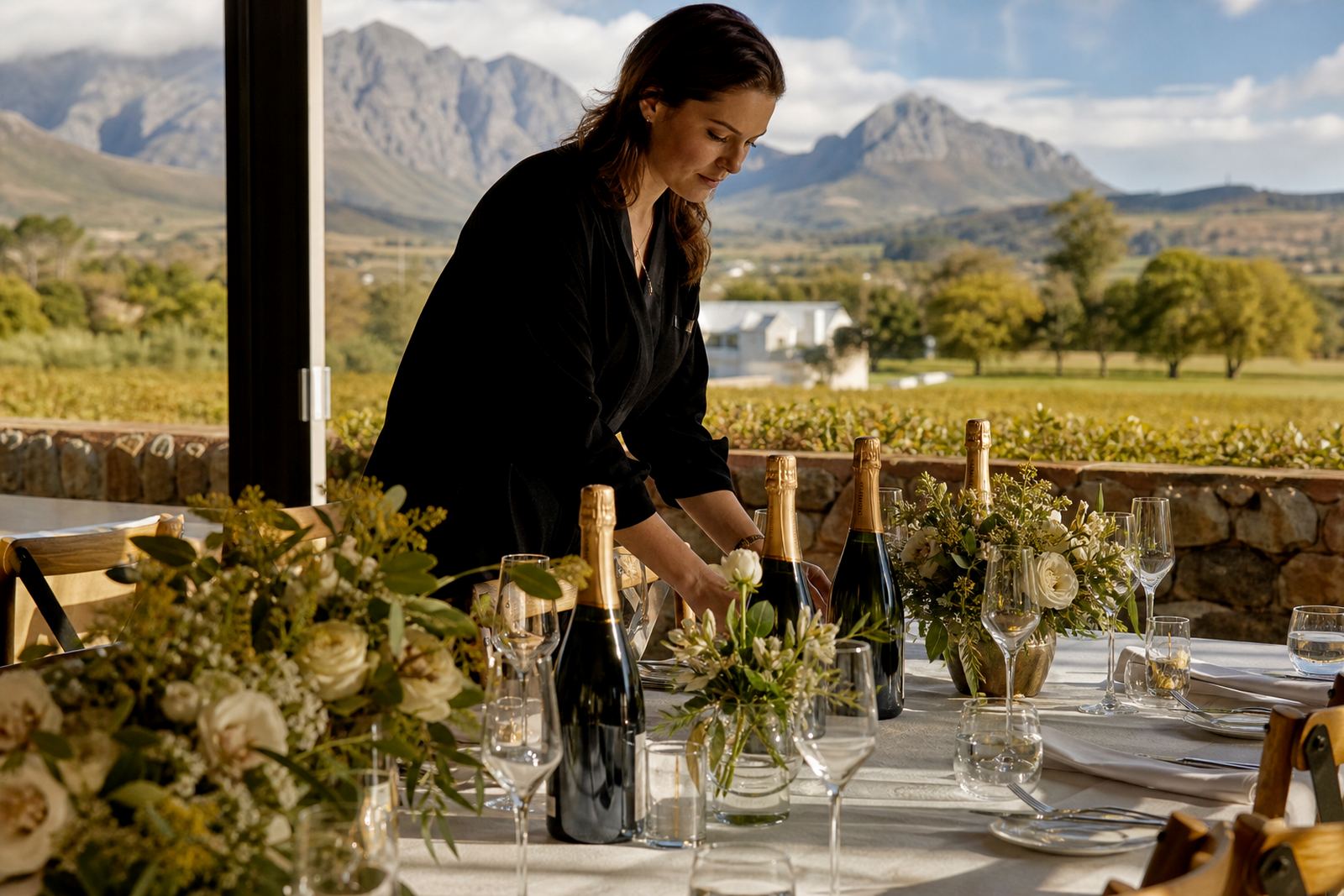
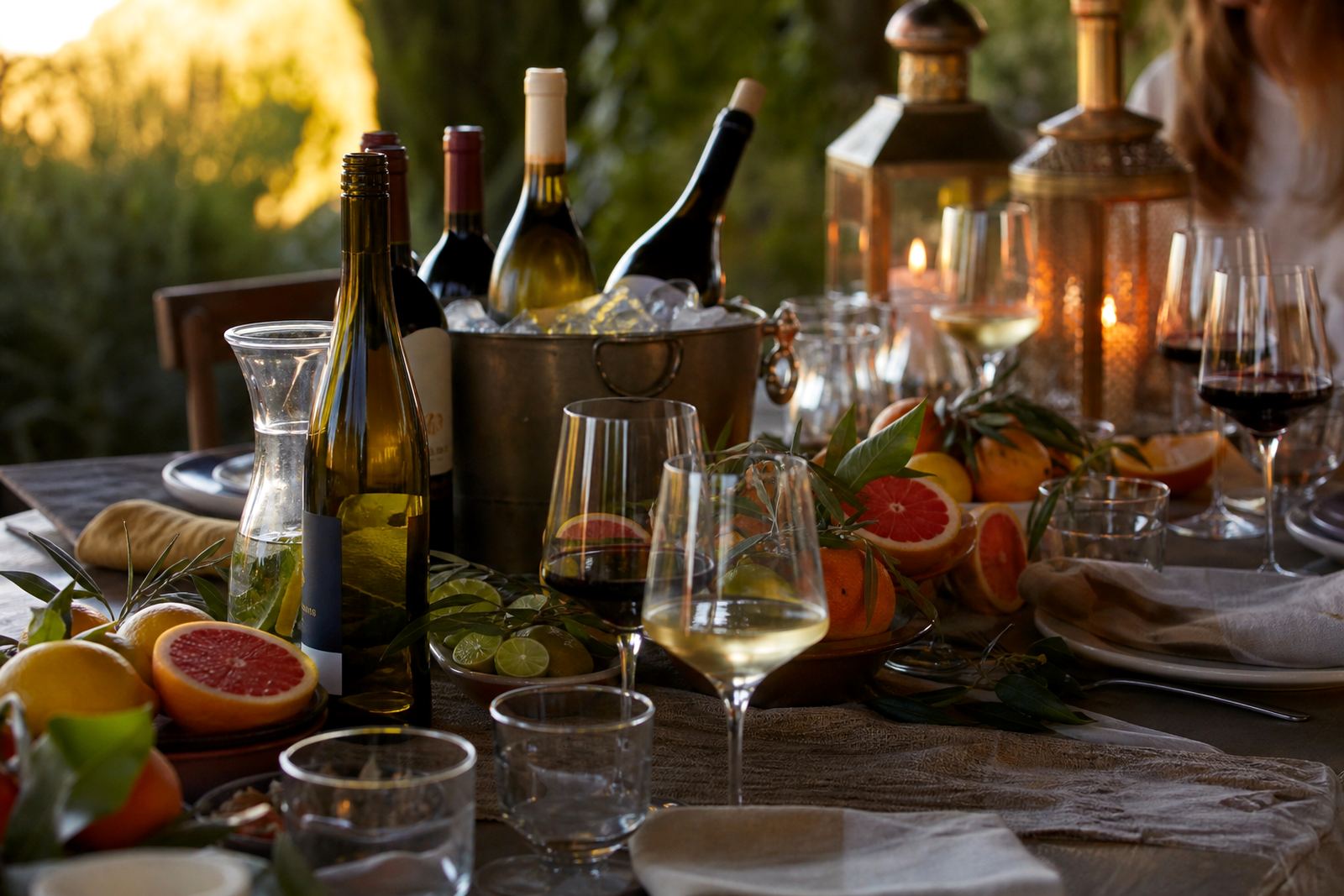
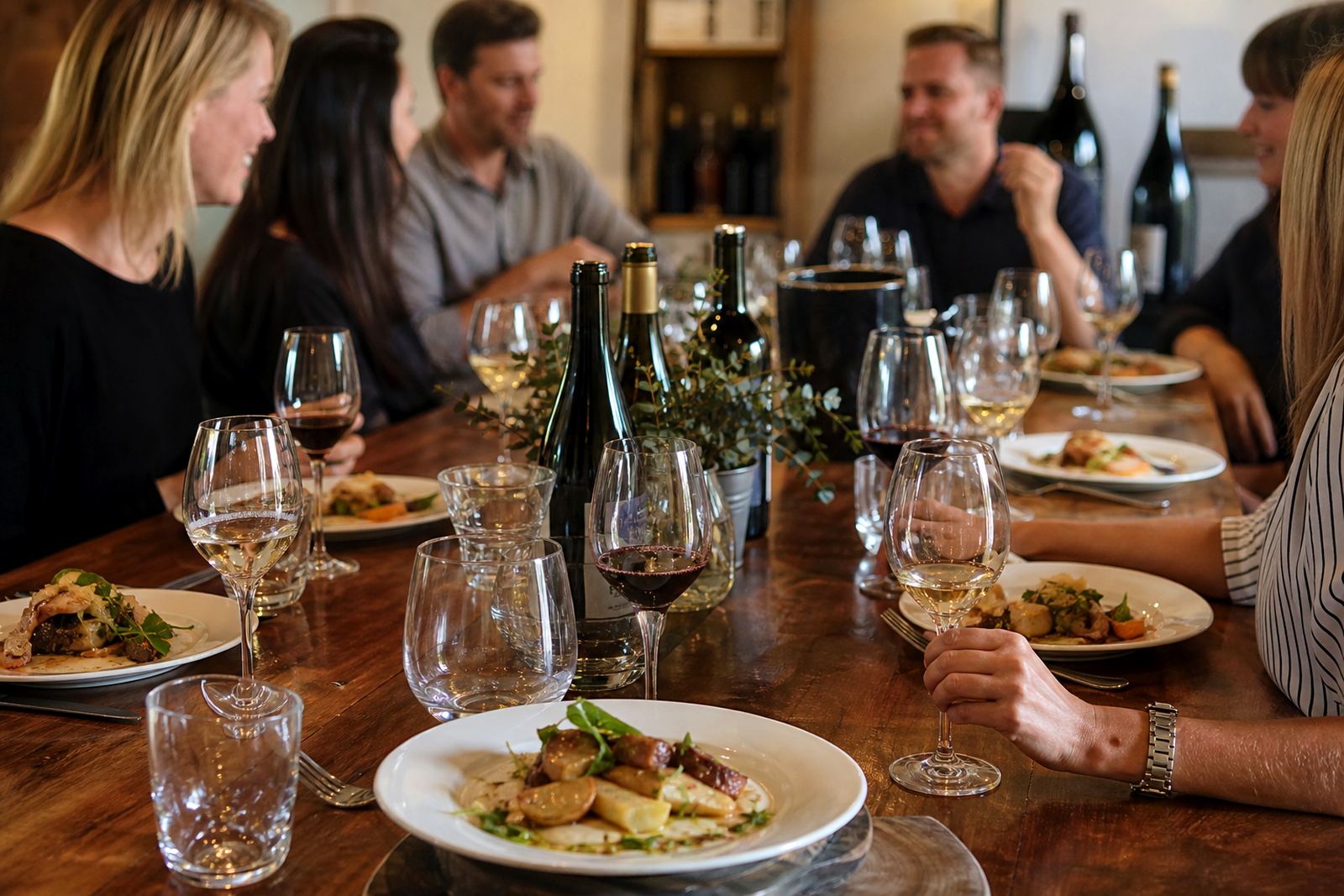
The equipment list for a pairing event is simple, but it has to be planned properly. You do not need a full bar setup, yet you do need enough glassware, serving space and cooling capacity to keep the tasting flowing. For a home dinner, that usually means one glass per guest, a spare set for sparkling wine, ice buckets, water glasses and enough table space for food plates and tasting notes. For larger corporate or club evenings, you may need extra pour stations and a separate prep area so service does not get cramped.
- Still wine glasses for red and white pours
- Flutes or tulip glasses for bubbly service
- Ice buckets or chilled tubs for sparkling bottles
- Water jugs and plain crackers for palate resets
- Spit buckets only if the group is doing a structured tasting
- Table numbers or tasting cards for orderly service
For venues in Cape Town, Stellenbosch or Durban, check whether the space has enough refrigeration and whether the venue allows outside beverages. In some areas, load-shedding can affect chilling times, so it helps to pre-cool bottles early and keep backup ice on hand. If the evening is outdoors, wind can be a nuisance too, especially for paper tasting notes and lightweight napkins.
How to plan pairings that actually work with food
A successful pairing is usually built around contrast or balance. Acidic wines work well with rich dishes. Light sparkling wine can lift salty snacks, fried food and creamy starters. Sweeter styles can help with spicy dishes or sticky sauces, while tannic reds need food with enough protein and fat to soften the grip. That is the practical part members appreciate, because it helps them make sense of why one bottle works and another feels a little off.
For a tasting dinner, it is wise to keep the number of courses manageable. Three pairings is often enough for a small gathering, while five is a good ceiling for a longer guided evening. More than that and guests start losing focus, especially if the portions are too large. Small servings keep the room lively and make room for conversation between courses. Pairing dinners should feel social, not formal and tiring.
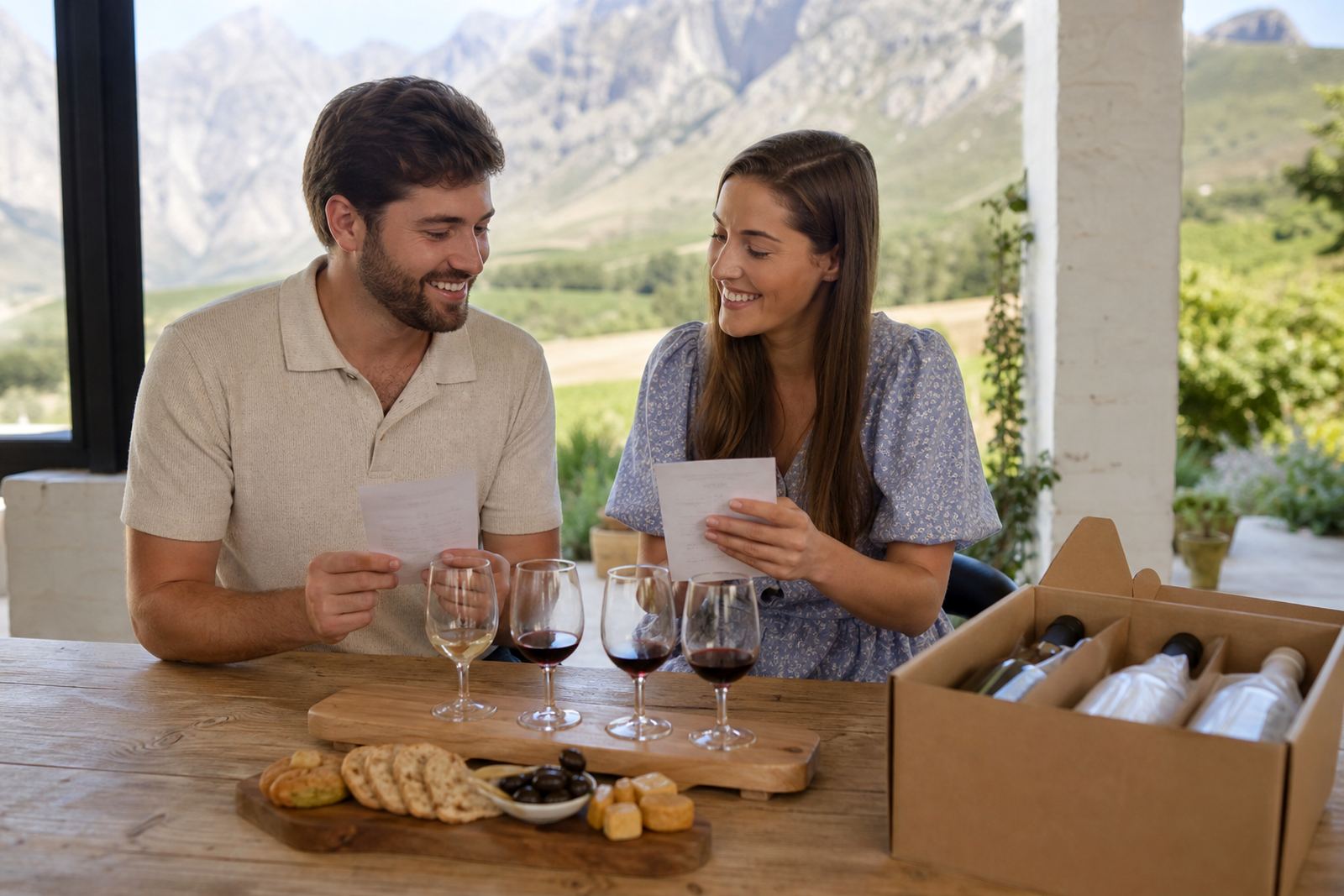
When the group is mixed, with beginners and experienced drinkers together, use a tasting sheet with plain language. Talk about fruit, freshness, body and finish. Avoid jargon that leaves people guessing. The goal is to help everyone feel part of the meal, not to test who knows the most.
Common mistakes that spoil the evening
The biggest mistake is choosing wine first and food second. That usually leads to awkward matches, and the bottle gets blamed when the menu is the real issue. Another common error is pouring too much per course. Once guests are full, they stop tasting properly and the last pairing gets ignored. Serving temperature is another easy one to miss. White wine that is too warm and red wine that is too hot both lose their shape quickly.
Here are a few problems we see often:
- Too many strong flavours in one menu, which makes every wine fight for attention
- No water on the table, so palates get tired too quickly
- Using oversized pours for each guest
- Serving bubbly in warm rooms with no ice backup
- Leaving food out too early so textures soften before the pairing begins
- Trying to fit a full workshop into a dinner that was really meant to be relaxed
For birthday parties, engagement bubbly evenings and small team events, it also helps to keep speeches short. Long interruptions break the rhythm of the meal and people forget what they were tasting. A good pairing night has a steady pace and enough breathing room between courses.
Budget ranges for private and club pairing events
Budgets depend on group size, the number of courses and whether the event is hosted in a home, restaurant or private venue. For a small home pairing with six to eight guests, a practical budget can start around R1,500 to R3,500 if you are covering basic glassware, chilled service and a simple menu. A more polished dinner with matched wines, better food presentation and guided tasting notes can move into the R4,000 to R8,000 range. Larger corporate evenings, especially those with branded materials, multiple stations and a host for the room, often land between R9,000 and R20,000 or more depending on numbers.
For monthly club members, the spend is usually easier to manage because the box format spreads the cost over time. The real value comes when members use the bottles with proper meals instead of saving them for later. A well planned pairing at home can still feel special without needing crystal, linen or a full service team. If the venue is in Paarl, Somerset West or Constantia, factor in delivery, parking and any venue service charges. Those small costs add up quietly.
It is also worth budgeting for extras like water, ice, tasting sheets and a small allowance for an extra bottle in case the first choice needs a backup. That bit of planning keeps the evening calm, and less rushed than people expect.
Choosing the right format for your group
Different groups need different formats. Private home tastings suit friends who want a relaxed supper with a bit of guidance. Corporate tasting events work better when there is structure, a clear finish time and enough room for guests to move around. Virtual group tastings can still work for food pairing fans if everyone receives the same menu notes and opens their bottles at the same pace. The key is consistency, so the same wine meets the same food at roughly the same time in each household.
For club members in Franschhoek, Stellenbosch, Cape Town, Johannesburg and Durban, the best format often depends on the meal itself. If the menu is rich and layered, choose fewer wines and more detailed discussion. If the dinner is casual, keep it light and conversational. A simple plan with clear timing, correct serving temperatures and a few thoughtful pairings usually beats an overcomplicated line-up every time.
Food pairing fans do not need fancy rules. They need good bottles, a sensible menu and a room where people can talk comfortably. Get those three things right, and the evening usually takes care of itself.