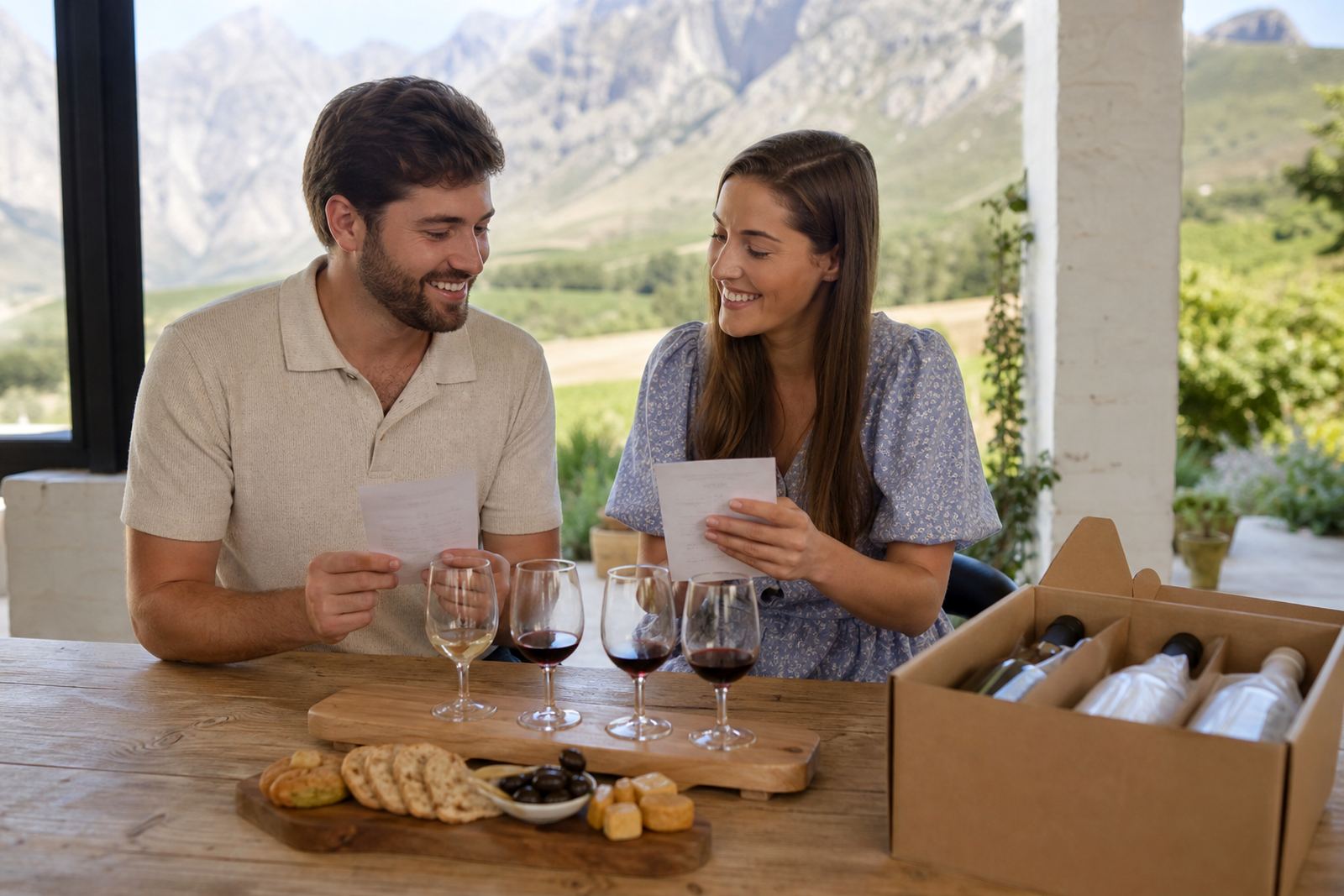
A gentle starting point for first-time wine drinkers
If you are new to wine, the main goal is to keep things easy. Start with a short tasting, 4 to 6 wines max, and choose bottles that show clear differences in style. For beginners, local Chenin Blanc, Sauvignon Blanc, rosé, light Pinotage, MCC style sparkling wine and a sweet dessert style can give a useful first map of what you enjoy without overwhelming the group.
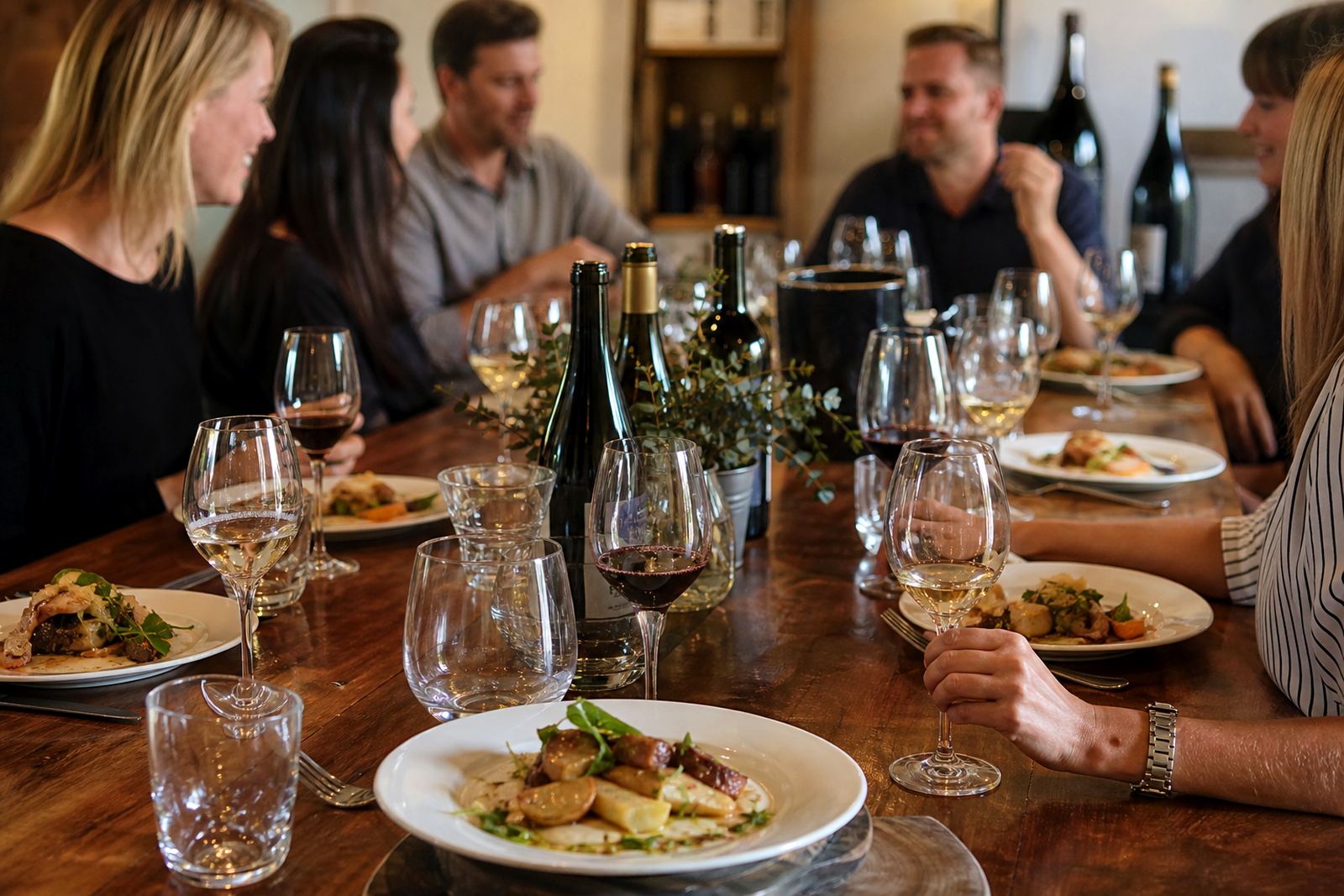
At Ching Ching Cellar we often suggest a tasting format that moves from lighter to fuller, then dry to slightly sweeter. That order helps new drinkers notice flavour, acidity, bubbles and finish without palate fatigue. It also makes the evening feel social rather than technical, which is usually the point for a first event.
For home boxes and hosted tastings, our team can guide you on what to pour, how much to pour, and how to keep the experience friendly. The aim is not to test people. It is to help them find a few favourites and feel confident asking questions.
The typical setup for a beginner tasting at home
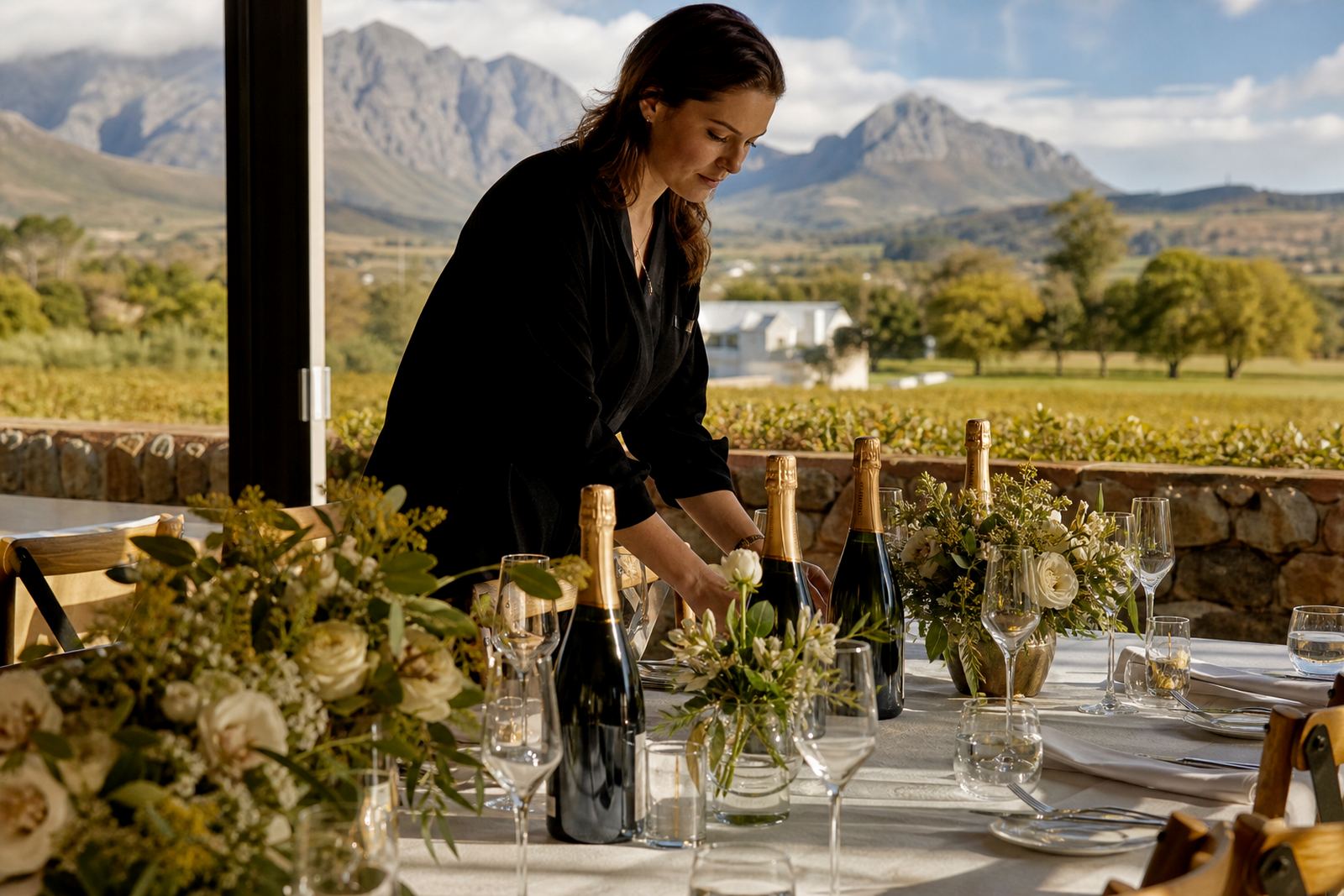
A beginner-friendly tasting does not need much equipment. Keep the table simple and organised so guests can focus on taste, smell and conversation. If you are hosting in Franschhoek, Cape Town, Stellenbosch, Johannesburg or Durban, a dining table or patio table works well as long as there is enough space for glasses and water.
- One wine glass per guest, or two if you are comparing still wine and bubbly side by side
- Still water, ice and a bucket for rinsing glasses
- Spittoons or small bowls for anyone who wants to taste without drinking every sample
- Plain crackers or bread to refresh the palate
- Small note cards for names, grape varieties and tasting comments
- Neutral tableware, because strong smells from candles or spicy food can muddle the tasting
If the event is outdoors, choose a shaded spot and keep bottles cool. Coastal humidity in Durban or the Cape can affect serving temperature quickly, so a cooler box or chilled bucket is worth it. In summer, a little planning saves a lot of warm wine and grumpy faces.
How to plan the order of wines and bubbly
The best beginner tastings have a sensible flow. Start with sparkling wine or bubbly if you want a celebratory feel, then move to lighter white wines, then rosé, then fuller styles and reds. If the group is very new to wine, keep the tasting to one sparkling and three still wines so the evening stays relaxed.
We recommend small pours of about 60 to 75 ml per wine. That gives enough for smelling and tasting without tiring the palate. If you are serving food, keep the dishes simple and local. Think biltong, mild cheese, grilled chicken skewers, samoosas with gentle spice, or snoek pate on toast. Heavy sauces can drown out the wine and make it harder to notice the difference between bottles.
- Light white wine with fresh salads, chicken or mild fish
- Rosé with charcuterie, tomato-based bites or sushi
- White bubbly with salty snacks, creamy canapés or soft cheese
- Red wine with roast meats, lamb, mushroom dishes or pizza
Common beginner mistakes that spoil the evening
The most common mistake is choosing too many bottles. Eight or nine wines sound exciting but often leave beginners confused and tired. Four to six is usually enough for a first-timer group. Another mistake is serving everything too cold or too warm. White wine should be chilled, but not icy. Red wine should be cool room temperature, not warm from the kitchen or lounge.
Strong food, too much perfume and noisy music can also get in the way. Keep the room comfortable and the background sound low enough for conversation. A tasting is not a lecture, and it should not feel like one. Give people permission to say what they smell, even if it sounds simple. Pear, peach, green apple, toast, flowers or citrus are all useful notes.
It also helps to avoid over-explaining. New drinkers do not need a long list of technical terms. They need plain guidance and a little confidence. A small mistake here and there is fine, but if the tasting becomes too formal people switch off quickly.
Budget ranges for beginners and small groups
Budgets vary depending on whether you want a quiet home tasting, a private host, or a larger social event. For a simple beginners tasting in South Africa, allow about R450 to R850 per person for wine only if you are buying a modest mixed selection. A guided tasting with hosting, glasses, tasting notes and set-up support will usually sit higher, often from R750 to R1 500 per person depending on the number of wines and location.
For club members ordering monthly boxes, costs depend on the mix of still wine and bubbly, but a beginner-friendly box should stay clear, approachable and good value. If you are planning a corporate evening, birthday or engagement celebration, transport, staffing and venue access may add to the total, especially in city centres or where load-shedding means extra lighting or cold storage is needed.
As a guide, these are sensible planning bands:
- Small home tasting for 6 to 8 guests: R2 500 to R5 500 total
- Private hosted tasting with pairings: R5 500 to R12 000 total
- Corporate or team event with custom wine list: R8 000 to R20 000 plus, depending on numbers
These figures can shift with venue hire, glassware and travel. A shorter tasting with fewer bottles is often the best way to start.
Why beginner tastings work well for local wine lovers
South African wine is a good place to start because the styles are varied, easy to compare and available in every province. New drinkers in Paarl, Somerset West, Constantia, Stellenbosch and Franschhoek often like the chance to taste local wines side by side and hear a bit about the grapes, the cellar and the season. It makes the category feel less intimidating and more personal.
Ching Ching Cellar’s beginner tastings and monthly boxes are built for that kind of discovery. You get a guided, friendly introduction without pressure, and you can move at your own pace. Some people prefer still wines first, others start with bubbly, and some simply want a social evening with a few good bottles and a lot of laughs.
When you are ready to plan a first tasting, keep it simple, keep it local and keep the portions sensible. That is usually enough to turn a curious newcomer into someone who knows what they like.