
When the weekend crowd changes from 4 to 14
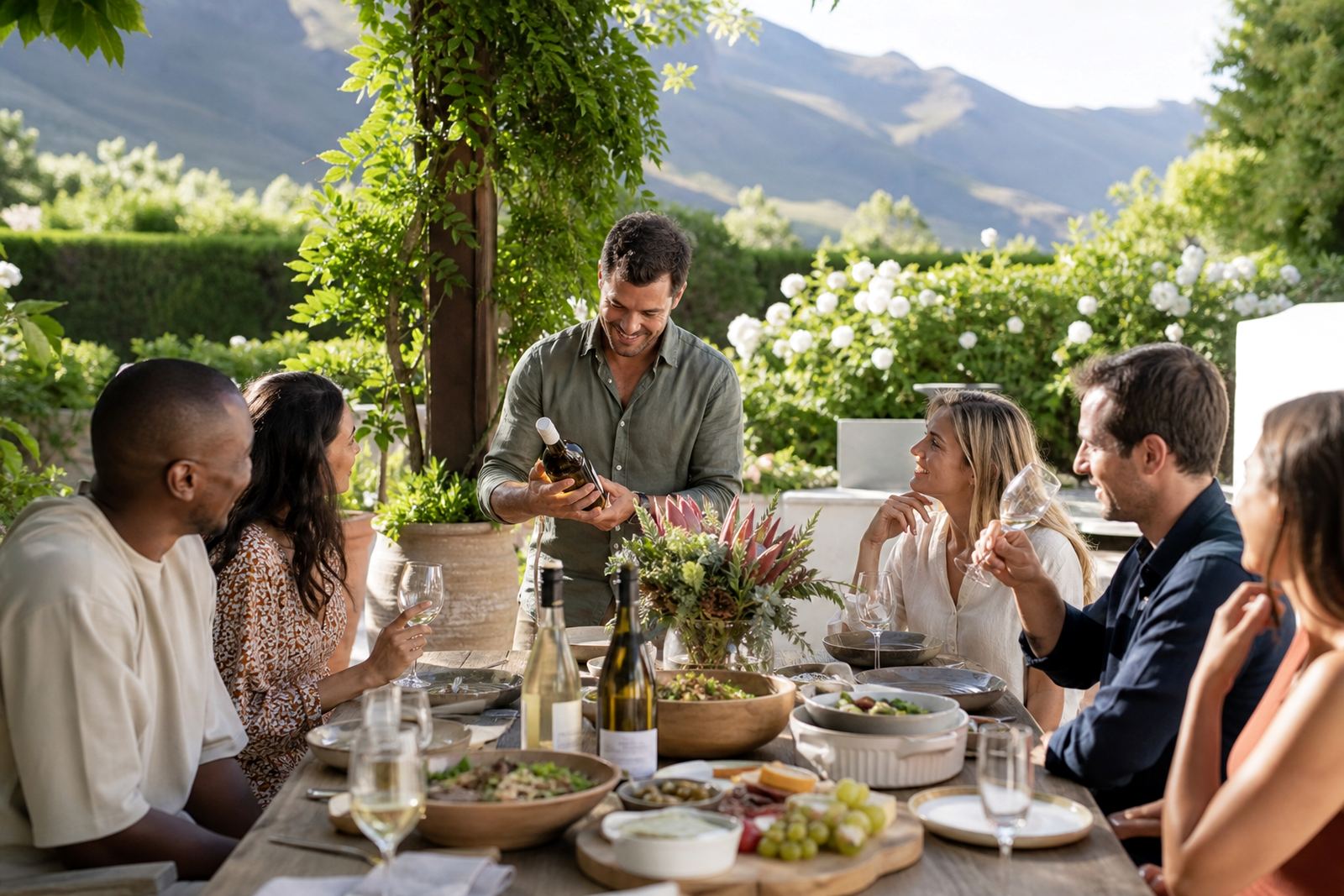
Weekend hosting is rarely a formal sit-down. One month it is a late lunch in Franschhoek with family, the next it is a birthday braai in Paarl or a casual Sunday spread in Somerset West. That means your wine plan has to cope with small numbers, extra arrivals, and a mix of guests who want something dry, something bubbly and one or two easy drinking reds. If you are buying for these kind of gatherings, the main goal is not a grand cellar. It is variety without waste.
A good starting point is 1 bottle for every 2 to 3 adults if wine is the main drink, plus 1 to 2 bottles of sparkling wine for a welcome pour or a toast. For a three hour lunch with food, many hosts also keep a soft-drink option and still water on hand. In summer, especially in Cape Town and coastal areas, chilled white and sparkling wine disappears quickly, so it pays to have a second cooler ready and a shaded serving spot.
- Small lunch for 6 to 8 guests: 4 to 6 bottles total
- Mixed braai for 10 to 12 guests: 8 to 10 bottles total
- Birthday or engagement style weekend gathering: 12 to 16 bottles total
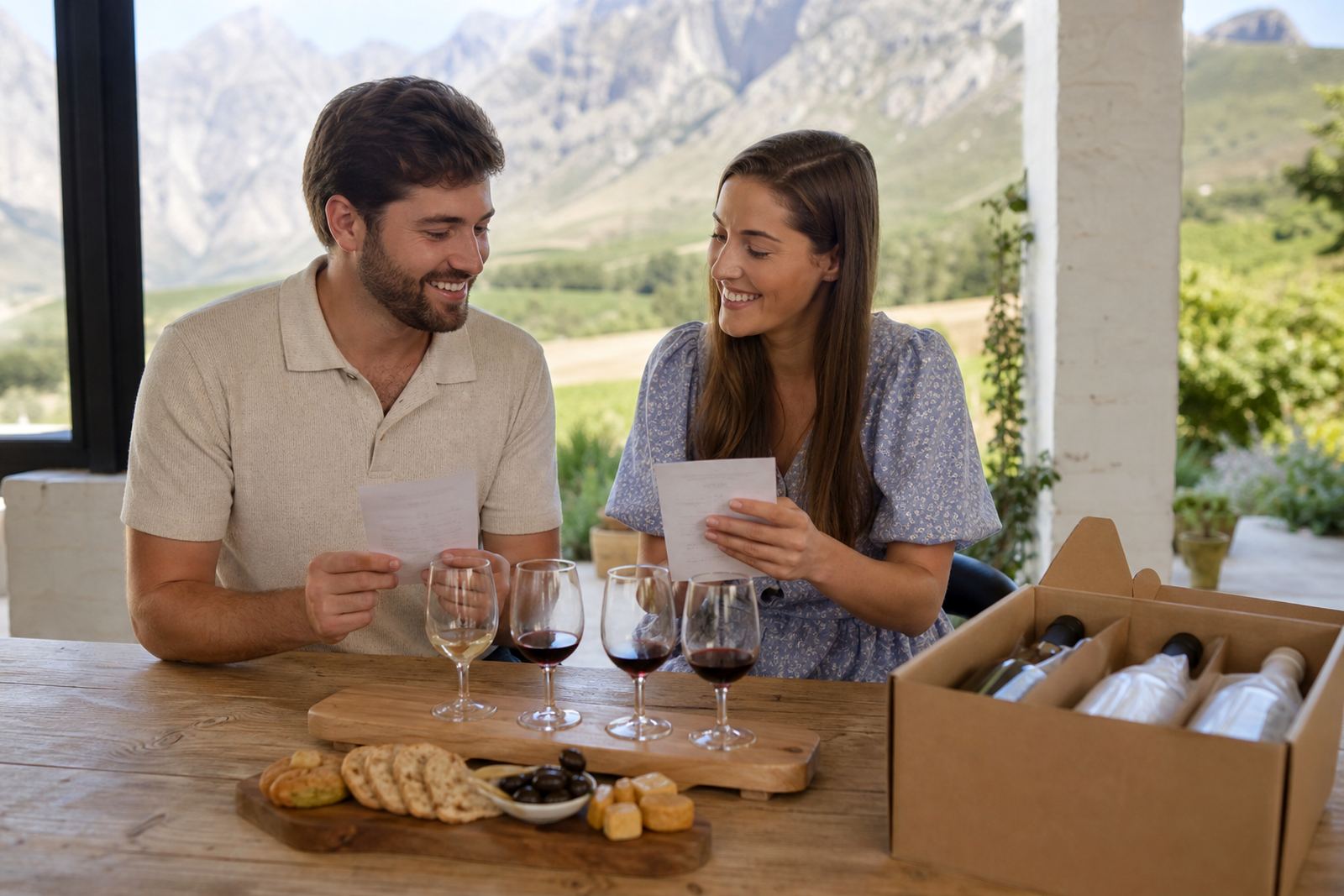
The usual tasting set for casual hosts
You do not need a full bar to host well. For most weekend gatherings, a compact set of serving pieces covers the basics and keeps the table moving. A decent ice bucket, a few wine glasses per guest group, a bottle opener, a stopper for leftovers and a clean decanter for fuller reds are usually enough. If your space is outdoors, add a tray or side table so bottles stay off the ground and away from dust and grass.
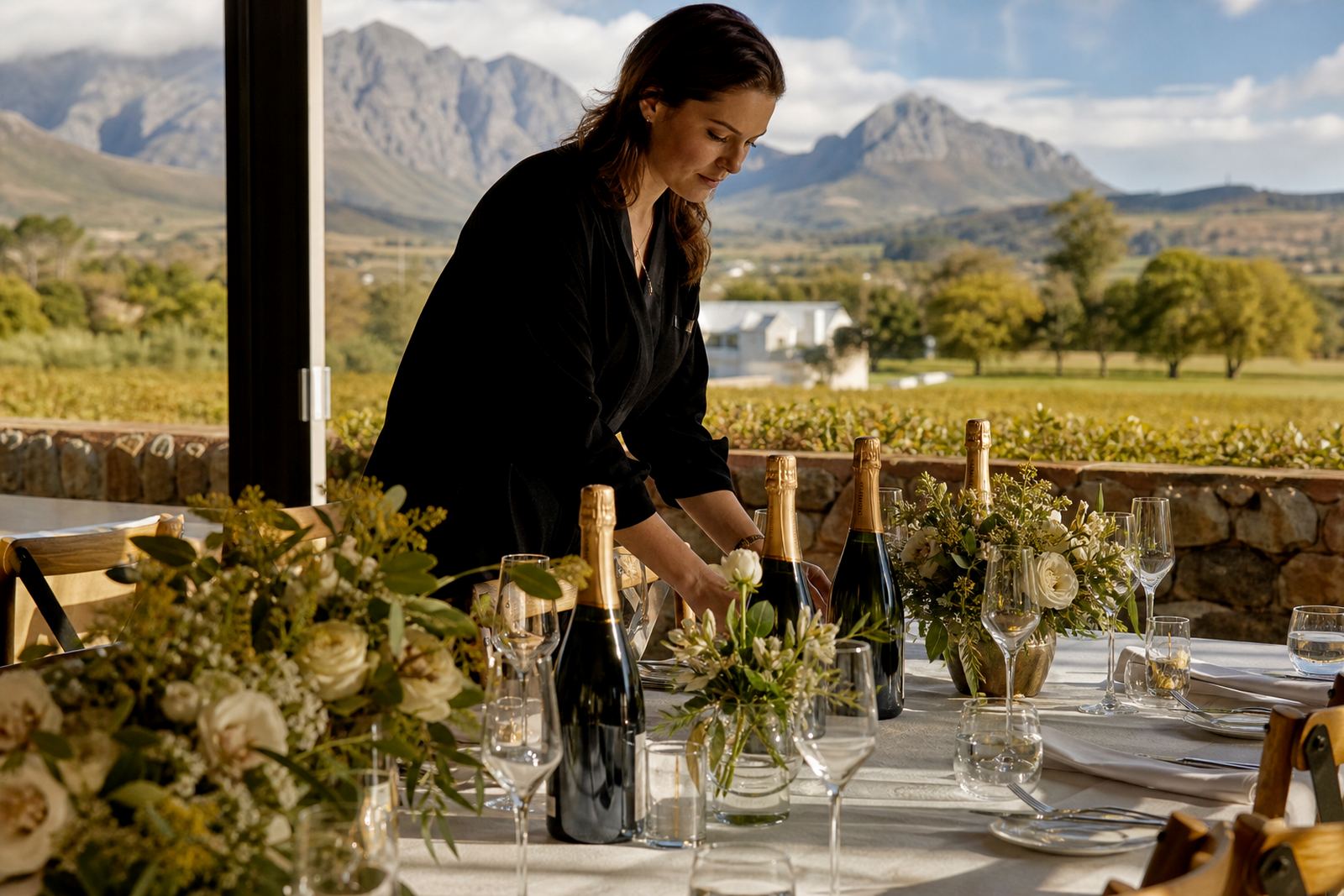
For bubbly, especially at an engagement toast or a celebratory lunch, use flutes or tulip glasses if you have them. For mixed tastings, broad white wine glasses can do double duty. It helps to have one insulated cooler bag or crate for transport and a spare cloth for drips, because warm bottles and wet hands are common when people are moving between the kitchen and the patio. On windy weekends in coastal towns, keep napkins and glassware under cover or they will be gone before the first pour.
- 4 to 12 wine glasses, depending on guest count
- 1 ice bucket or cooler per table or serving point
- 1 corkscrew, 1 stopper, 1 pouring cloth
- Optional: decanter, tasting notes cards, label markers
How to plan the layout so service stays calm
The easiest weekend setup is a simple flow from arrival to seating to drinks. Put sparkling wine at the entrance or near the first snack tray, then keep still wines at the main food station. That avoids a queue around one table and gives guests a reason to move through the space. If the gathering is outdoors, place the drink station in shade and away from the braai heat. A bottle sitting close to hot coals will lose its temperature fast, and nobody wants flat bubbly.
In city homes, apartment courtyards and small wine farm cottages, space is often limited. In that case, one central table with labelled wine and a small serving sequence works better than trying to spread bottles around. If you are hosting in Johannesburg or Durban, where weather can shift quickly, keep a backup plan inside and use buckets with enough ice to cover the bottle shoulders. It is also smart to open only what you need. Once a bottle is warm or oxidised, it becomes awkward to use later.
- Set the first drink within easy reach of arrivals
- Keep reds slightly cooler than room temperature, around 16 to 18 degrees C
- Chill whites and bubbly fully before guests arrive
- Use a second ice supply if the gathering runs past lunch
What goes wrong most often at weekend gatherings
The common mistakes are usually practical, not fancy. Hosts often buy too few bottles of the style people actually want, then end up with one lonely rosé and no second white. Another problem is serving everything at once, which fills the table and makes it hard for guests to know where to start. At bigger lunches, people also forget that not everyone drinks at the same pace. A few guests sip slowly while others are ready for a refill before the salad is even cleared.
Temperature is another issue. Bubbly that sits out too long loses its lift, and white wine gets tired in the sun. Red wine can also taste heavy if it is too warm, especially in Durban humidity or after an afternoon in the garden. For weekend hosts, the answer is usually simple planning, not overbuying. Keep a small reserve of white and sparkling in the cooler, then bring it out as needed. That way you avoid both waste and the slightly awkward moment when the last bottle is opened too early and everyone looks at the empty tub.
- Buying one style only, then discovering guest preferences are mixed
- Leaving bottles in direct sun or near the braai
- Forgetting extra ice, corkscrews or glassware
- Opening all bottles at once instead of pacing service
Budget ranges that suit regular hosts
Weekend hosting budgets vary a lot, but it helps to work from a realistic range. For a modest lunch with 6 to 8 guests, a spend of about R500 to R1,200 on wine and bubbly can cover a pleasant mix if you choose carefully. For larger braais and birthdays with 10 to 14 guests, many hosts work in the R1,200 to R2,500 range, depending on how much sparkling wine and premium wine they want. If food pairings are part of the plan, allow a bit more for extra bottles because people often drink more slowly when there are several courses.
Subscription boxes are useful here because they remove the guesswork. A monthly box can give you a steady base of local wine and bubbly so you are not scrambling on Friday afternoon. If you also enjoy hosting tasting evenings or casual club-style gatherings at home, a mixed box lets you build a weekend selection without a full trip to town. For regular hosts, that predictability matters more than chasing a bargain. It keeps the fridge stocked, the cooler ready and the guest list easy to manage.
A simple weekend host formula that works
If you want one straightforward approach, use this: choose one sparkling wine for arrival, one white for early drinking, and one red for later in the meal. Add an extra bottle of whichever style your crowd finishes first. That gives you enough choice without turning the lunch into a complicated tasting. It also suits South African weekends where weather, traffic and late arrivals can change the rhythm of the day.
For members who host often, the best plan is to keep notes after each gathering. Write down which bottle disappeared first, how many people came, whether the white was cold enough and if the bubbly was served too early. After two or three weekends, you will have a pattern that is specific to your home, your guests and your town. That is usually the point where entertaining starts to feel easy, and not like a last minute scramble.