The case for drinking what grows here
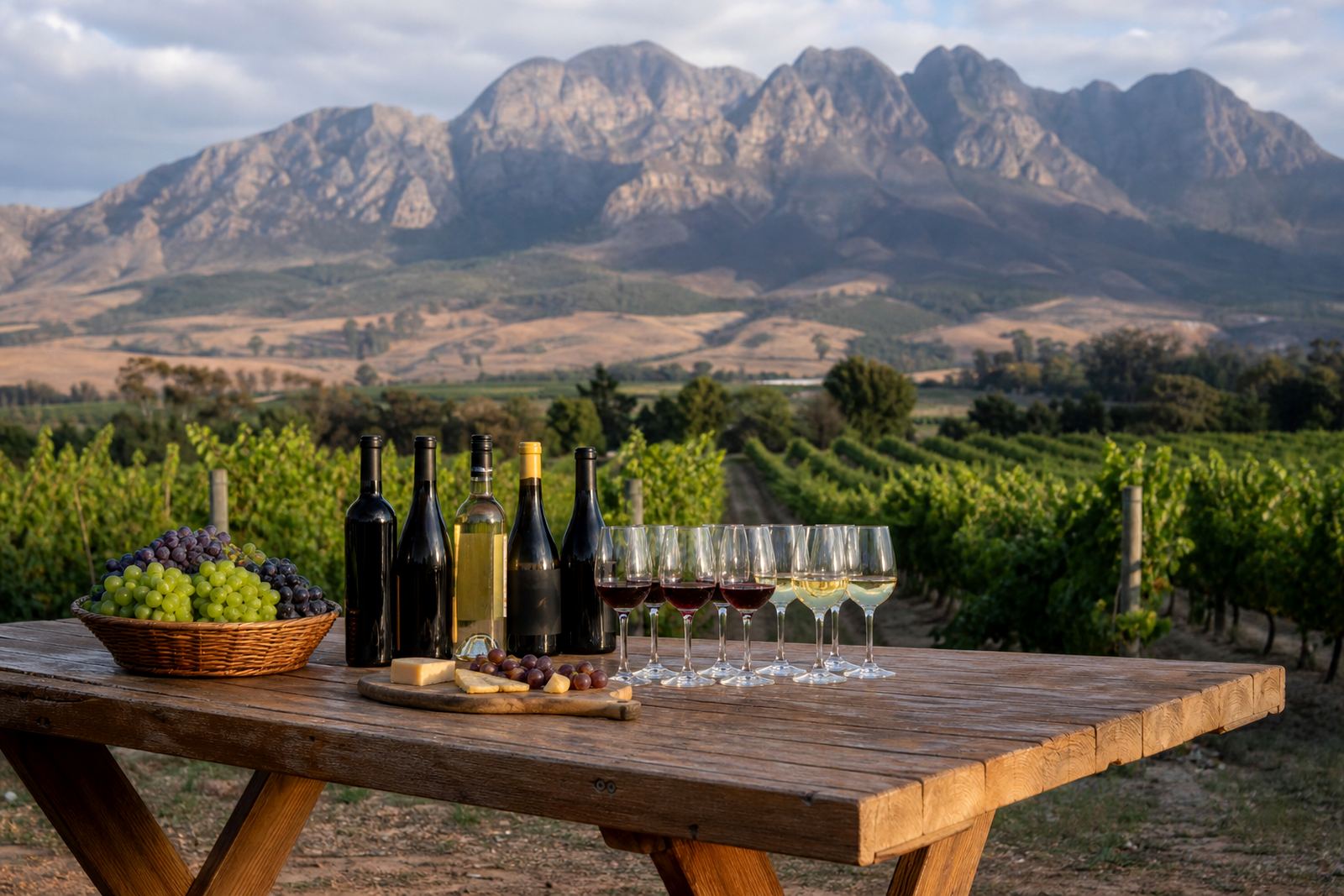
Local wine matters because wine is not just a beverage, it is an agricultural product shaped by place. In South Africa, that place can mean granite soils in Franschhoek, cool sea breezes near the Cape, or dry inland heat that pushes growers to work carefully with irrigation and canopy management. When you buy local, you are backing farmers, cellar teams, truck drivers, label printers and the small businesses that keep the sector moving.
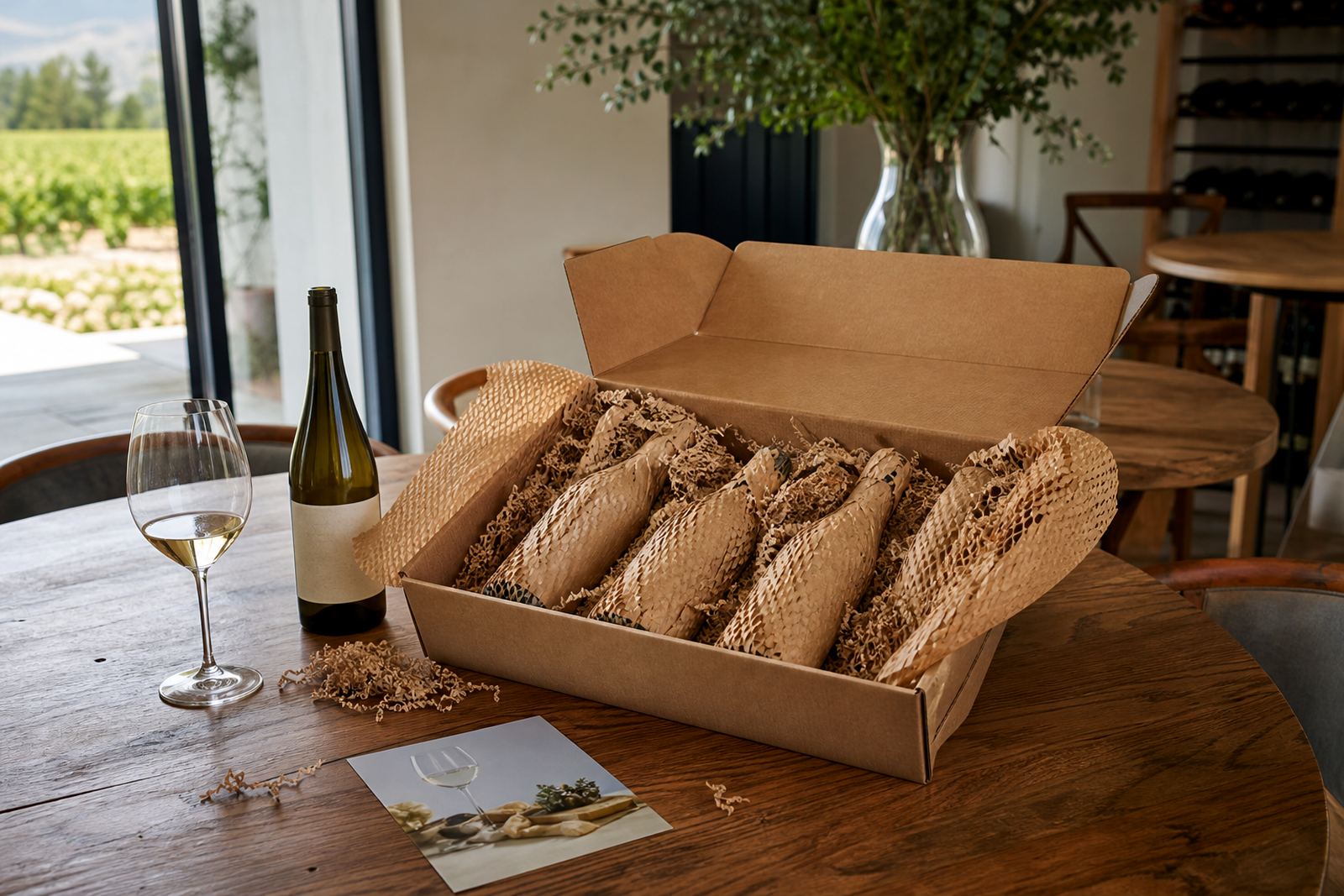
There is also a practical side. Wine that travels shorter distances often arrives in better condition, especially in the warmer months when bottles can sit in vehicles or storerooms longer than they should. For club members receiving monthly selections, that matters. A bottle that has been handled well and moved efficiently is more likely to show the balance the winemaker intended.
- Support local growers and cellar staff rather than sending your spend offshore.
- Get wines that are selected for South African palates and local food.
- Reduce long-haul transport and the risk of heat damage in transit.
What a monthly local selection can teach you
A good monthly box does more than fill a rack. It trains your palate. One month you may get a bright, citrus-led white from a cooler valley, then a riper red with softer tannins from a warmer site. Over time, those differences teach you how climate, soil and grape variety work together. That is especially useful in South Africa because our wine regions are so varied within a few hours’ drive of one another.
For members who are still learning, local selections are a practical way to taste without guessing. You can compare styles side by side, note which foods bring out the best in each bottle, and build a clearer idea of what you actually enjoy rather than what a label suggests you should like.
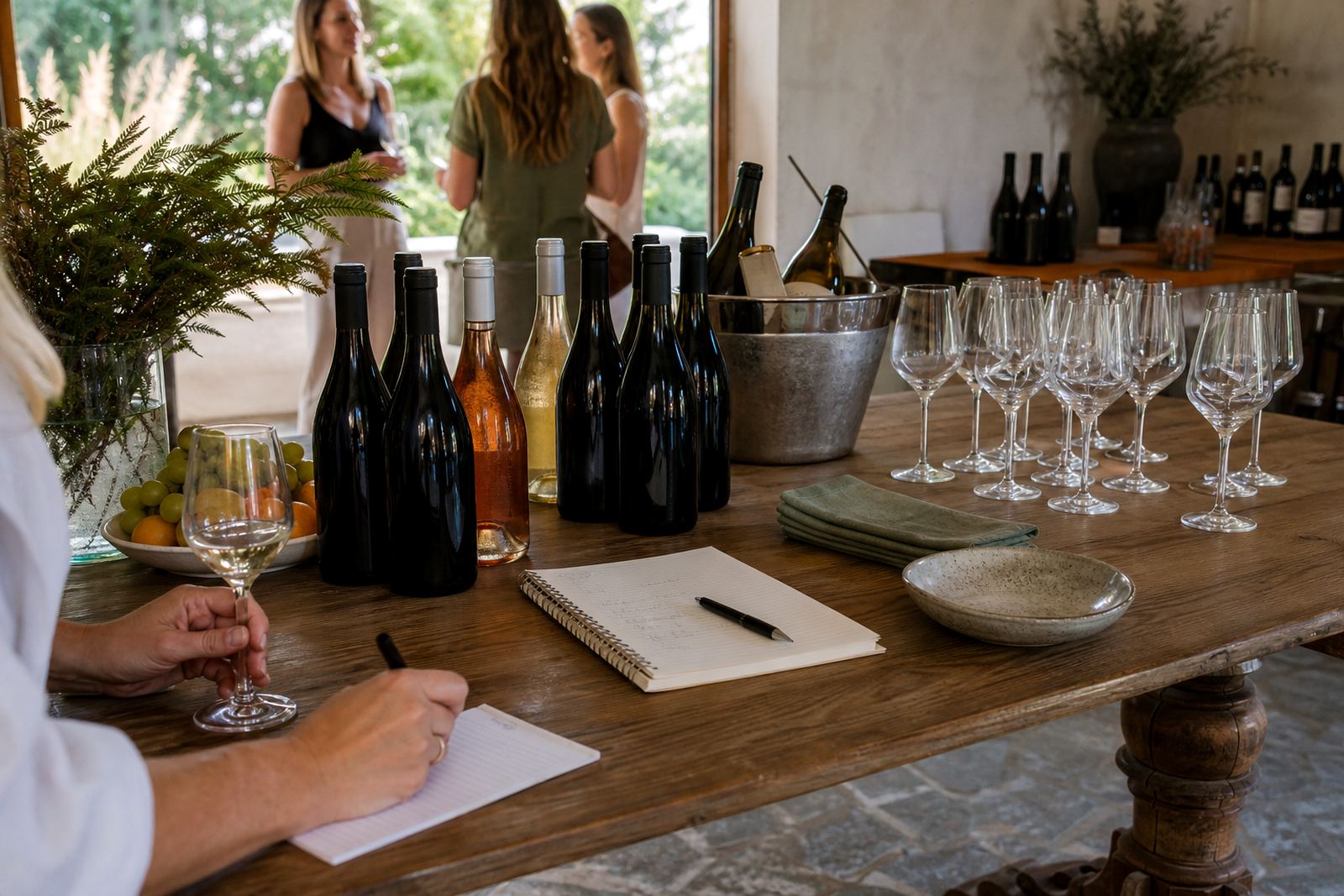
- Keep simple tasting notes on colour, aroma, acidity and finish.
- Serve one wine with supper and another the next day to compare after opening.
- Notice how the same grape can taste different from coastal and inland areas.
A Franschhoek example that feels close to home
Take a local example from Franschhoek. A small cellar team working with hillside vineyards may produce a sparkling wine with fine bubbles and a clean finish, while a nearby producer on deeper soils might make a richer white with stone fruit and a fuller middle palate. Both are distinctly South African, yet they speak in different voices. That variety is part of the value of local wine.
At tasting evenings in Franschhoek, Stellenbosch, Cape Town, Johannesburg and Durban, we often see the same reaction. Guests begin by saying they usually choose one familiar bottle and end by realising there is far more on offer than they thought. That shift is important because local wine is not one style. It is a whole set of regional expressions, each with its own pace, texture and food pairing strengths.
When you choose a local monthly club selection, you are not just buying a bottle. You are joining that conversation. And once you know what to look for, the shelves at your bottle store or the table at a dinner party become much easier to navigate.
How to choose local bottles with more confidence
If you want to make better choices, start with the basics. Look at the region, the grape or blend, the vintage if it is listed, and the alcohol level. Cooler sites often give you fresher acidity, while warmer sites can deliver fuller fruit. A lower alcohol wine is not automatically lighter, but it can point to a style that is easier to drink with food on a hot afternoon. Also check the closure and packaging if you plan to serve the wine at a picnic, braai or outdoor function where heat and transport are part of the day.
For groups planning dinners, birthdays or office gatherings, local wine also makes budgeting simpler. You can often build a balanced line-up without stretching far beyond your price range, and your choices can be matched to the menu more easily. That matters whether you are ordering for a home gathering in Paarl or planning a corporate tasting in Sandton.
- Choose one white, one red and one sparkling bottle from different regions.
- Match fuller wines with grilled meats, bobotie or mushroom dishes.
- Keep a chilled bottle ready for summer loadshedding evenings when dinner shifts later.
Why community matters as much as the bottle
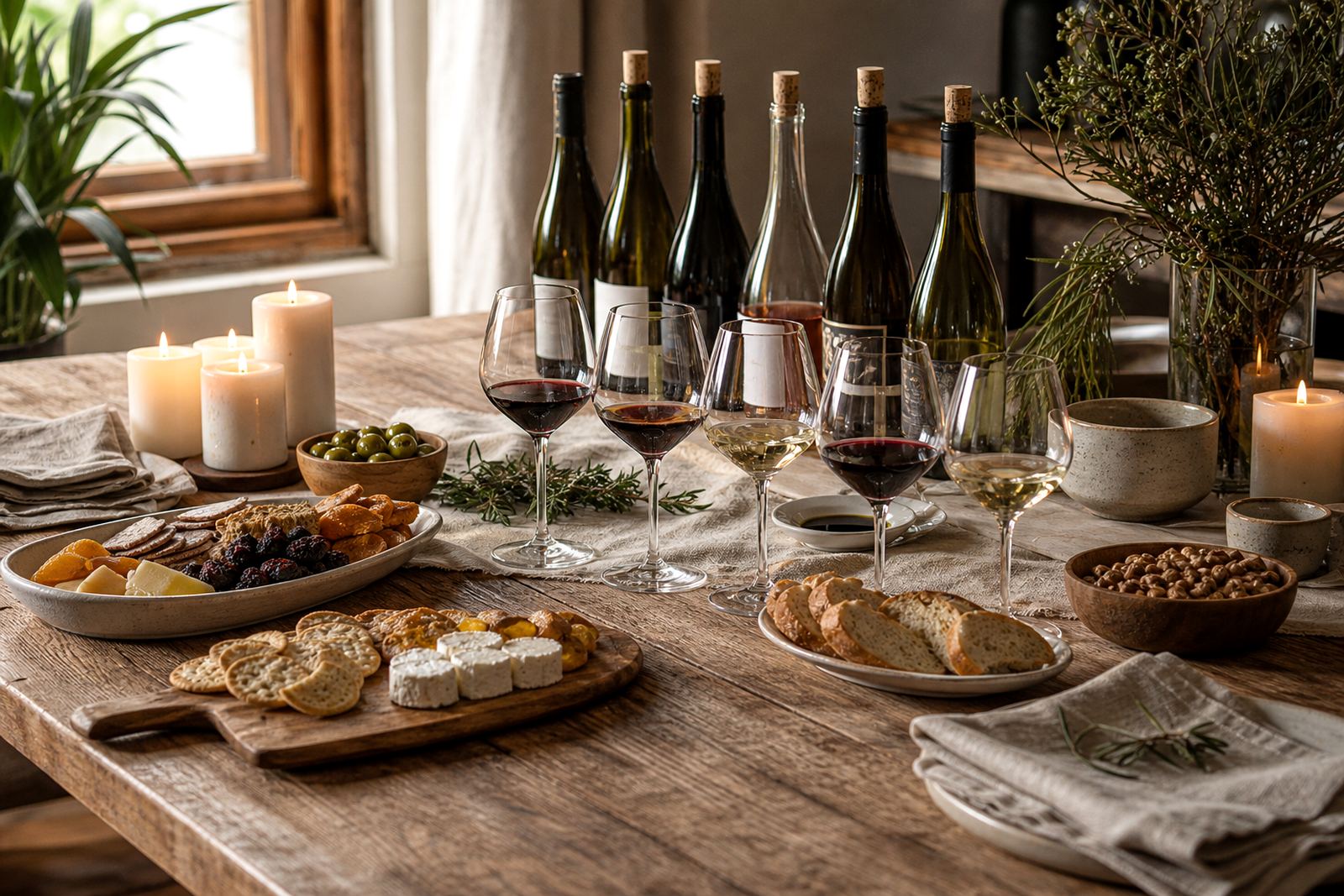
Wine is best enjoyed in company, and local wine makes that social side stronger. A tasting evening can bring together neighbours, work colleagues and friends who might not otherwise sit down together. In a place like South Africa, where travel costs, weather and busy schedules can make planning difficult, a well-run tasting gives people a reason to pause and actually talk about what they are drinking.
That is also why the monthly club rhythm works so well. It creates a steady reason to gather, compare notes and learn something new without needing a big occasion. Some people use it for date nights, others for team sessions, and some simply to break the routine at home. The point is not to be formal. It is to make local wine part of ordinary life rather than something reserved for a special trip.
A simple way to support South African wine all year
The easiest way to back local wine is to keep choosing it. Buy from South African producers, visit cellar doors when you can, and stay open to smaller regions alongside the names everyone already knows. If you are hosting, include at least one local bottle and tell guests where it comes from. That small habit helps keep the conversation going, and it reminds people that good wine does not need to come from far away.
For those who like structure, a monthly club selection is a practical way to stay on track. It gives you regular exposure to new releases, seasonal styles and bubbles for celebrations, all while keeping the focus on South African vineyards. Over a year, that builds knowledge, supports local producers and gives your table more variety than a repeat purchase ever could.
It is a simple idea really: if we want South African wine to thrive, we need to drink it, talk about it and share it more often. The next bottle can do more than fill a glass. It can support a whole local chain from vineyard to table.