
Choose Reds That Feel Warm, Not Heavy
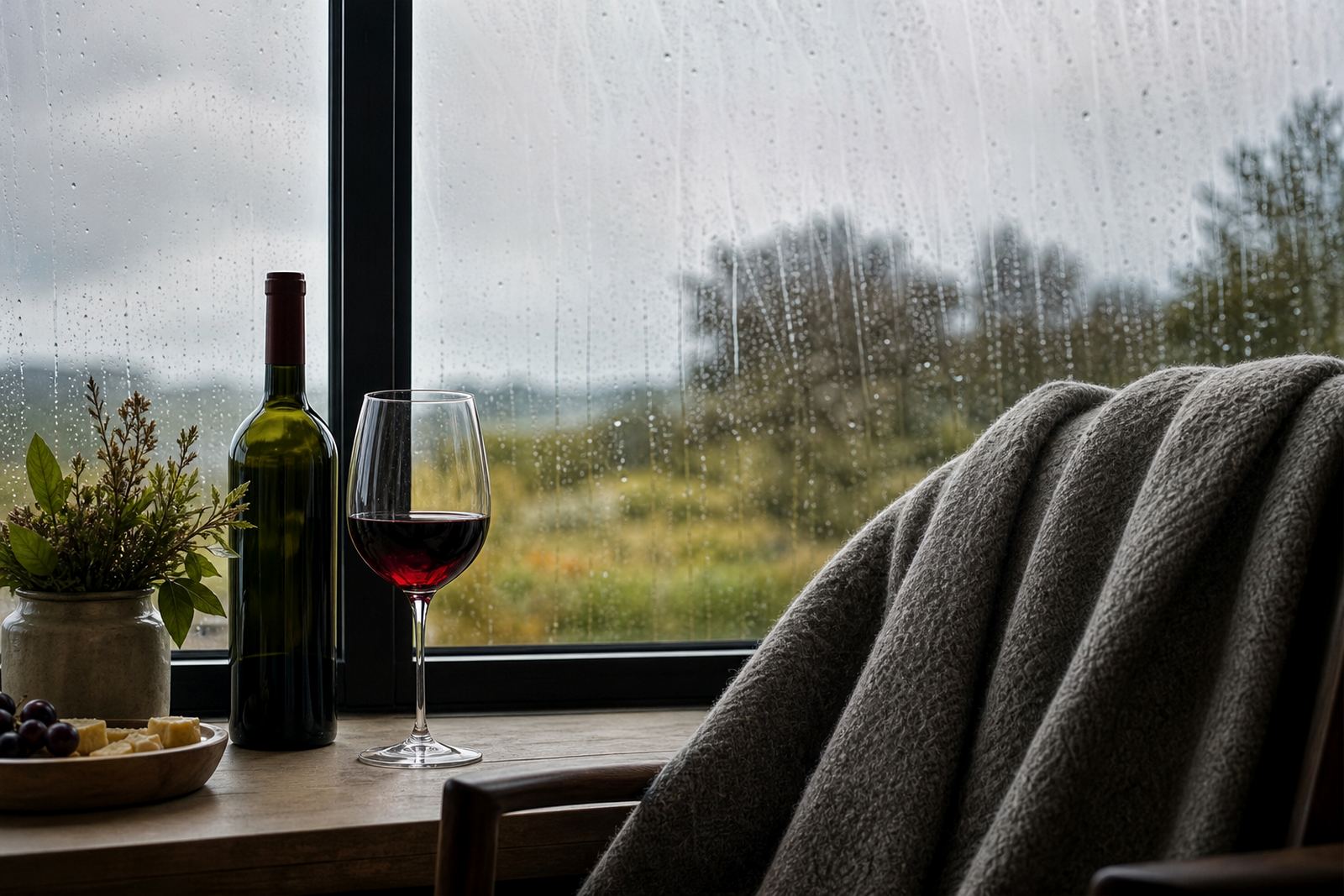
Rainy weather asks for reds with comfort and balance. You want fruit, gentle tannin and enough freshness to stay lively with food. In South Africa, that often means looking at local blends, lighter-bodied reds and smooth single varietals that do not need hours in the glass before they show well.
For a stormy afternoon in Franschhoek or a wet evening in Durban, the best bottle is often the one that feels inviting from the first pour. Think ripe plum, cherry, spice and soft oak rather than big alcohol and hard edges. If the plan is to sit indoors with a stew or a cheese board, choose a bottle that will hold its shape without overpowering the room.
- Pick reds with moderate tannin for easy drinking.
- Look for fruit-led styles if you are serving lighter food.
- Keep one fuller bottle for slow-cooked meat or rich pasta.
- Choose wines that open up well at cool room temperature, not hot.
Serving Red Wine When the Power Is Off and the House Feels Damp
Load-shedding and rainy weather often arrive together, so a little planning helps. If the house is cool, red wine can taste flat if it is served too cold, and too warm if it has been sitting near a stove or a sunny window. Aim for a cellar-like temperature if you can, but in many South African homes that means a few practical adjustments.
If the bottle has been in a cool pantry or garage, bring it inside 20 to 30 minutes before serving. If it has been standing in a warm room, give it a brief chill in the fridge for 10 minutes to settle the heat. The aim is comfort, not perfection. A rainy-day red should taste smooth and focused, even when the lights are out and the kettle is on.
Use proper glassware if you have it, but don’t let that stop the evening. A clean everyday glass will do the job. And if the humidity is high on the coast, wipe the bottle dry before opening so you are not handling a slippery label when guests are already arriving.
Food Pairings That Suit an Indoor South African Menu
Red wine shines on rainy days because the food often gets heartier. A pot on the stove, a tray in the oven, or a shared platter in the centre of the table all work well with reds that have a bit of grip and warmth. The trick is to match weight with weight, then add one fresh element so the meal does not feel too heavy.
Here are pairings that work well for local gatherings:
- Tomato-based pastas with medium-bodied reds.
- Lamb or beef potjies with richer blends.
- Roast chicken with herbs and a lighter red.
- Mushroom dishes with silky, earthy wines.
- Aged cheese, biltong and olives for casual tasting.
For a simple South African supper, think bobotie, slow-cooked lamb shanks or a roast vegetable tart with a red that has spice and soft fruit. A bottle that carries a touch of oak can stand up to caramelised flavours, while a fresher style can brighten a meal that leans rich. If you are cooking for a mixed group, it helps to have one easy-drinking bottle and one more structured one on hand so everyone finds something they like.
A Local Rainy Afternoon in Franschhoek
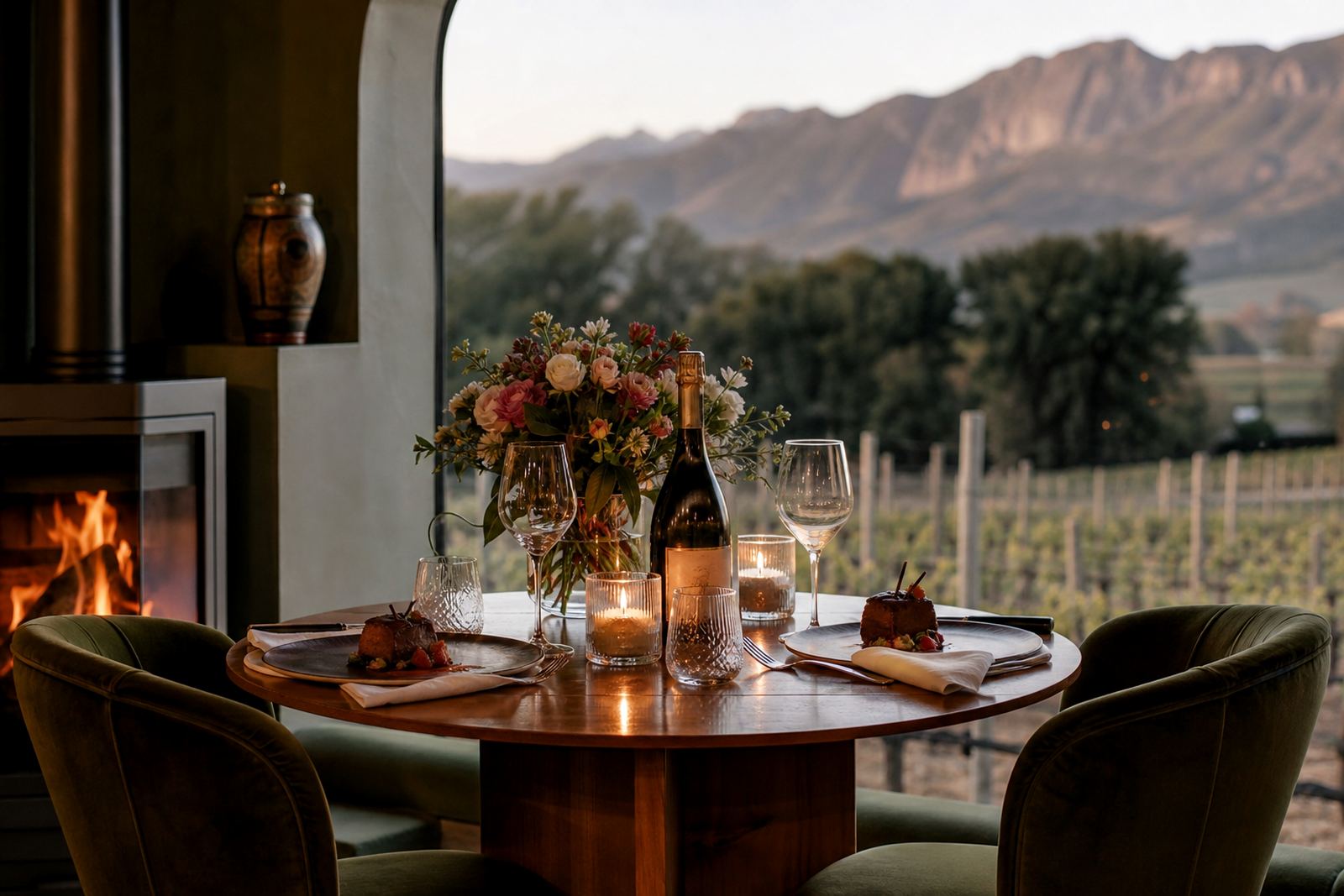
Picture a wet Saturday in Franschhoek village. The mountains are hidden, the streets are quiet and the fire is doing most of the work. A few friends arrive with umbrellas and damp jackets, and the table is set with bread, cheese, roast peppers and a warm dish from the oven. This is the kind of setting where red wine feels less like a formal choice and more like part of the furniture.
Start with a softer bottle as people settle in, then move to a fuller red with the main meal. That rhythm keeps the tasting relaxed and gives the conversation room to breathe. If you are hosting in Cape Town, Stellenbosch or Somerset West, the same idea works well for a city apartment or a family home. Keep the playlist low, pour modestly and let the weather stay outside where it belongs.
For larger groups, one of the easiest ways to keep the afternoon moving is to pour by style rather than by label. A fruit-led red, a spicy blend and a more structured bottle give guests a simple path through the tasting without feeling like they are being lectured. That makes the evening feel welcoming and useful at once.
How to Taste Red Wine Without Turning It Into a Lecture
A rainy day tasting should feel social, not serious for the sake of it. You only need a few talking points to help people notice what is in the glass. Ask what fruit they taste, whether the wine feels dry or juicy, and whether the finish is short or lingering. That is enough to open the conversation.
If you are hosting a small group at home, try this simple format:
- Pour half a glass at a time so the wine stays fresh.
- Serve one lighter red before the fuller bottle.
- Put out bread, water and neutral snacks between pours.
- Ask each guest which bottle feels most suited to the weather.
Keep the tone casual. Some guests will want to talk about grape varieties and production methods, while others just want to know what tastes good with the roast in front of them. Both responses are useful. A good rainy-day tasting leaves people warmer, more relaxed and a little more curious than when they arrived.
When the Weather Closes In, Keep the Bottle Open to the Moment
Rainy weather has a way of slowing everyone down, which is one reason red wine works so well. It does not need a sunny terrace or a big occasion. It only needs food, a dry place to sit and enough time for the room to settle. In Johannesburg, Durban, Paarl and Constantia, that might mean a weekday supper. In Franschhoek or Stellenbosch, it might mean a long lunch that drifts into evening.
If you are stocking up for the season, choose a mix that covers different moods. Keep one easy bottle for a simple bowl of pasta, one richer bottle for a pot on the stove and one more elegant wine for a slower dinner with friends. That way you are ready for any stormy afternoon that rolls in. And if the plan changes at the last minute, red wine is usually forgiving enough to match the pace without fuss.
Rain may keep people indoors, but it also creates the kind of gathering where conversation lasts longer and food tastes better. That is where the right red earns its place at the table, quietly and without drama.