Why Franschhoek Sets the Tone for the Club
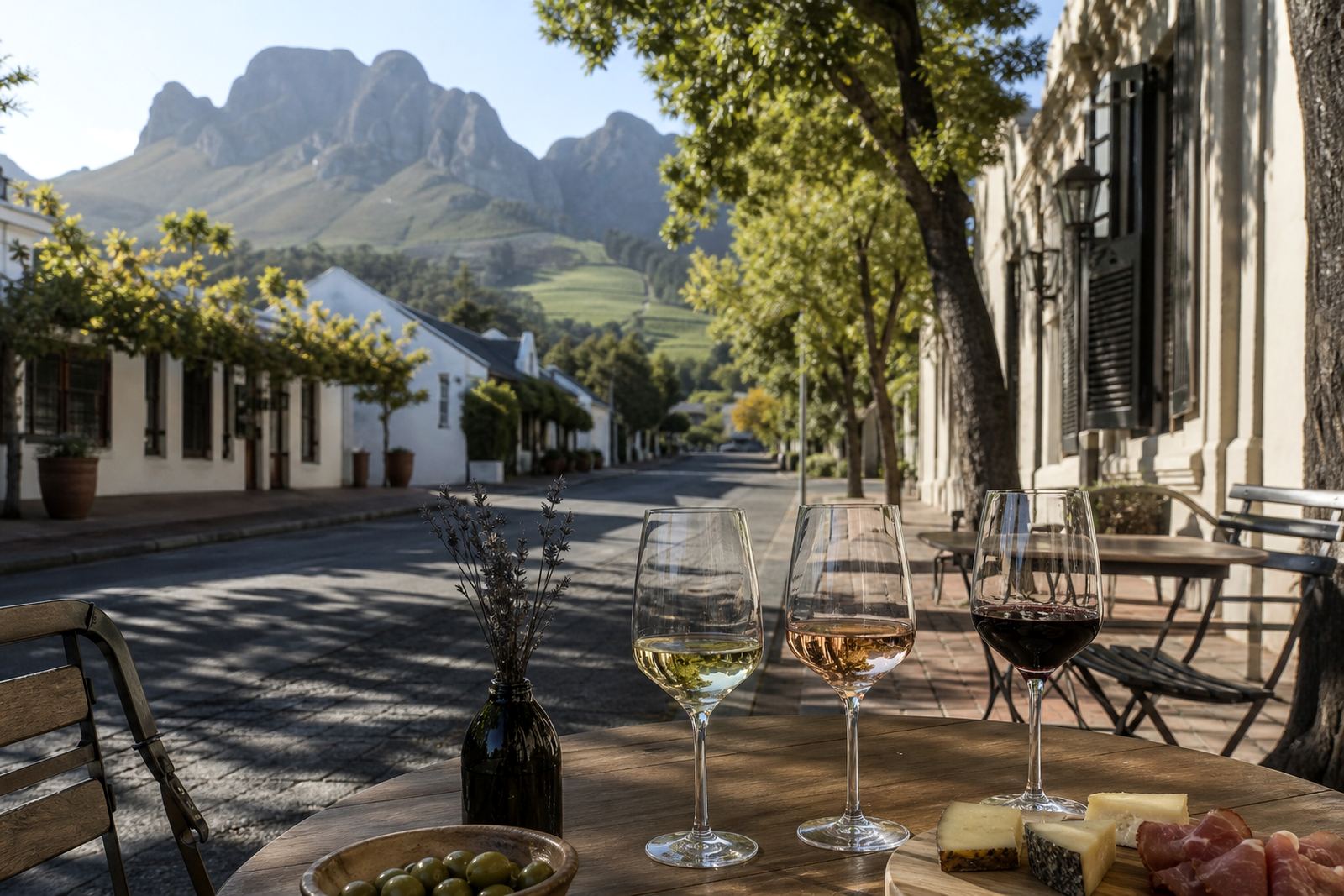
Franschhoek is not only a scenic base, it is a working wine valley with a practical rhythm. Hot summer afternoons, cooler evenings, mountain breezes and the demands of harvest all influence how local wines are tasted and discussed. For a club that runs monthly boxes across South Africa and hosts tastings in places like Cape Town, Stellenbosch, Johannesburg and Durban, that matters. The starting point is never just what tastes good in theory, but what feels right in real homes and real social settings.
Being based in the village also keeps the club close to cellar teams, winemakers and tasting rooms. That proximity helps the team pick wines with a stronger sense of place, whether the bottle is meant for a relaxed Friday supper, a birthday gathering or a formal pairing dinner. It also means the club notices seasonal changes early. A crisp bottle that shines in spring may need to sit out of a winter line-up, while a richer bubbly can carry a festive spread with much more ease.
How Local Conditions Shape Wine and Bubbly Choices
Franschhoek’s climate encourages a selection style that is practical as well as enjoyable. Wines are chosen for balance, freshness and food friendliness, not only for a long list of tasting descriptors. In a coastal market, humidity can affect storage. In inland cities, summer heat and load-shedding can test how well wine is kept before serving. That is why the club favours bottles that travel well and hold their shape when chilled, opened and shared at home.
The tasting team also pays attention to how South African households actually drink wine. Some members want something bright and easy for a weeknight pasta. Others want a sparkling bottle that can handle canapés, bobotie, grilled fish or a Sunday lunch. Franschhoek’s influence is seen in that mix. The club is not trying to make every selection high-concept. It is aiming for bottles that work for local habits and local food, which is often where the best value is found.
- Choose bottles with enough acidity to stay lively with food.
- Look for bubbly that holds its mousse after chilling and pouring.
- Match fuller styles to winter dishes and lighter styles to summer menus.
- Store boxes away from direct sun and the back of warm cupboards.
The Monthly Box Standard Comes from Village Expectations
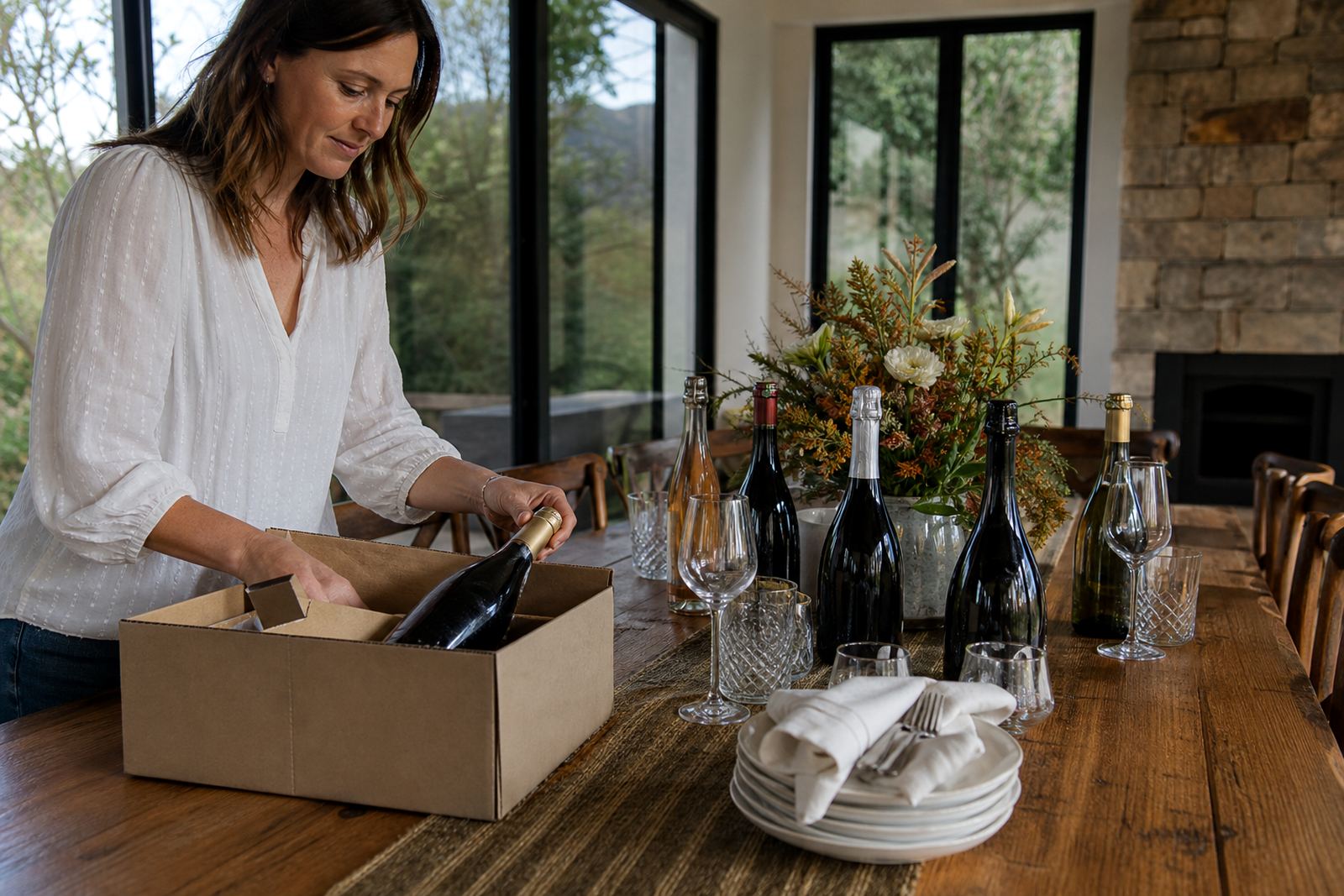
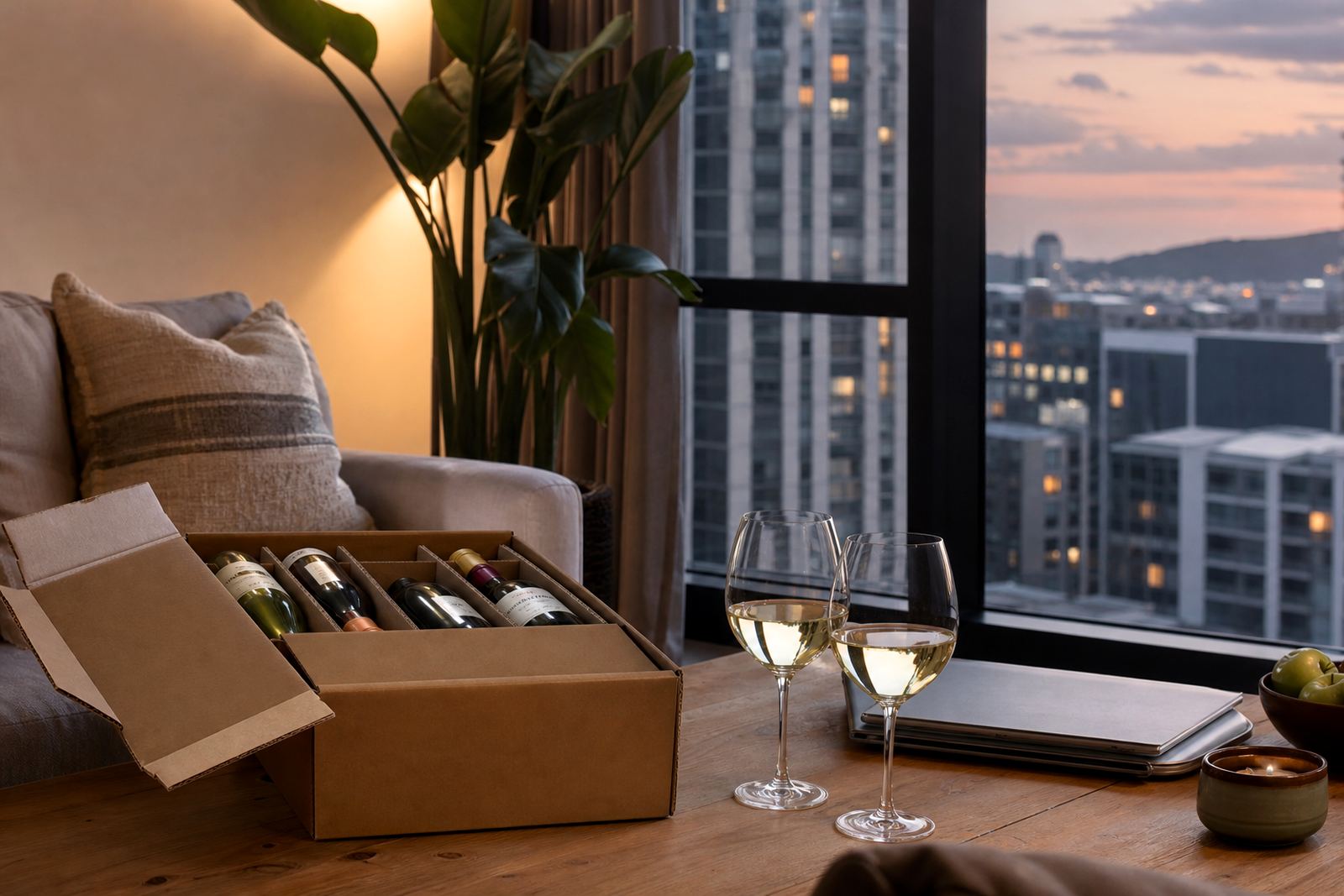
In a small wine town, standards are noticed quickly. That is part of the advantage of a Franschhoek base. People know when a selection feels thoughtful, and they also know when a bottle has been picked without much care. The monthly subscription boxes reflect that pressure in a good way. Each box has to feel considered, varied and useful, with enough explanation for members to understand why each wine or bubbly made the cut.
The club’s selection process often starts with practical questions. Is the wine suitable for sharing? Will it pair with common South African dishes? Can a member in Durban, where humidity stays high, enjoy the bottle without fuss? Will someone in Johannesburg still find it satisfying when served with a heavier meal or after a long week? These are the kinds of questions that turn a box from a simple delivery into a useful tasting experience.
- One bottle should be the easy crowd-pleaser.
- One should offer a slightly more interesting style or grape blend.
- At least one bubbly option should suit celebrations or casual toasts.
- Supporting notes should explain taste, temperature and food pairings in plain language.
Tasting Evenings That Feel Local, Not Imported
Ching Ching Cellar’s hosted tasting evenings in Franschhoek, Stellenbosch, Cape Town, Johannesburg and Durban carry the same local-first approach, even when the room is different. A tasting in Franschhoek may lean into the valley setting and the season, while a corporate evening in Sandton may need tighter structure and faster pacing. The club’s base keeps the style grounded: warm, knowledgeable and social, without turning the evening into a lecture.
That balance is important for beginners and regular wine drinkers alike. A good tasting should help guests notice aroma, texture and finish, but it should also make room for conversation. In practice, that means a clear order of pours, enough water on hand, simple glassware and a food spread that matches the wines. When the event is well run, guests leave with a few clear lessons and at least one bottle they want to buy again.
For a local example, a Franschhoek engagement bubbly evening might start with a bright sparkling wine and move toward richer snacks, while a Durban virtual group tasting may focus more on keeping the wines at the right temperature and making the pairing suggestions easy to follow at home. The same club, different practical details.
What Members Should Expect From a Franschhoek-Led Selection
Members often ask what makes a Franschhoek-led tasting club different from a general wine delivery service. The short answer is focus. There is a stronger sense of season, place and food pairing. There is also more care in how the wines are introduced. The aim is not to overwhelm people with technical language. It is to give them enough context to enjoy the bottle more and feel confident choosing what to pour next.
That approach is useful whether the box is going to a family home in Paarl, an apartment in Cape Town or a townhouse in Somerset West. A good selection should be easy to receive, easy to chill, and easy to understand. It should also feel proudly South African. The club’s Franschhoek roots support that by keeping local grapes, local styles and local hospitality at the centre of the experience.
- Expect a mix of familiar favourites and new local discoveries.
- Expect tasting notes that speak plainly about flavour and serving temperature.
- Expect pairings that suit everyday meals, not only special occasions.
- Expect a selection style that changes with the season and the weather.
A Practical Club for Wine Lovers Across South Africa
Ching Ching Cellar’s Franschhoek base gives the club a strong point of reference, but the service reaches far beyond the village. Monthly boxes are delivered across South Africa and tasting events are hosted in major centres as well as wine country. That combination matters because it keeps the club connected to where the wine comes from and where it is actually enjoyed. It is one thing to talk about local wine heritage. It is another to make it part of a month-end dinner, a team event or a weekend celebration.
For anyone joining from outside the Cape, the value is in that bridge between source and table. You get the character of a Franschhoek wine community without needing to live next to the vineyards. You also get selections shaped by people who understand how South Africans drink, share and celebrate. That is the real strength of a club rooted in a valley town. It stays close to the source while still being useful in everyday life.
If you are planning a private home tasting, a corporate event, a birthday bubbly evening or a wedding wine plan, that local grounding is worth having. It keeps the choices practical, the pacing sensible and the experience enjoyable from the first pour to the last sip.