
Why serving temperature changes the whole glass
Temperature affects what you notice first. Too cold and the aromas stay shut down, while tannins in red wine can feel harder than they should. Too warm and alcohol can dominate, which is common on hot summer afternoons in Durban, Paarl or Constantia when a bottle has sat in the room a bit too long.
A good serving temperature does not mean ice cold or warm to the touch. It means the wine is balanced enough for the fruit, acidity and texture to come through together. For monthly tasting boxes, home dinners and club nights, this one detail can make a simple bottle taste far more complete.
If you only remember one thing, remember this: chill white and bubbly, take the edge off light reds, and never serve every wine at the same temperature. The bottle may be good but the glass still needs the right start.
Quick temperature guide for red, white and bubbly
Use these practical ranges as a starting point. If your room is very hot or your fridge is extra cold, adjust by a couple of degrees either side. A thermometer helps but your own hand and a short tasting note will also tell you plenty.
- Sparkling and bubbly: 6 to 8 C for most styles. This keeps the bead lively and helps the wine feel fresh.
- Light white wines: 7 to 9 C. Good for crisp styles with bright fruit and a clean finish.
- Fuller white wines: 9 to 11 C. Slightly warmer helps bring out texture and gentle spice.
- Light red wines: 12 to 14 C. This is ideal for fresher styles that should stay bright.
- Medium red wines: 14 to 16 C. A very useful range for many everyday reds.
- Full red wines: 16 to 18 C. Warmer than this and the alcohol can become more obvious.
In a coastal home in Somerset West or Cape Town, your starting temperature may already be lower than in Johannesburg. In summer that matters, especially if the bottle will be on the table for an hour or more.
How to chill a bottle without flattening it
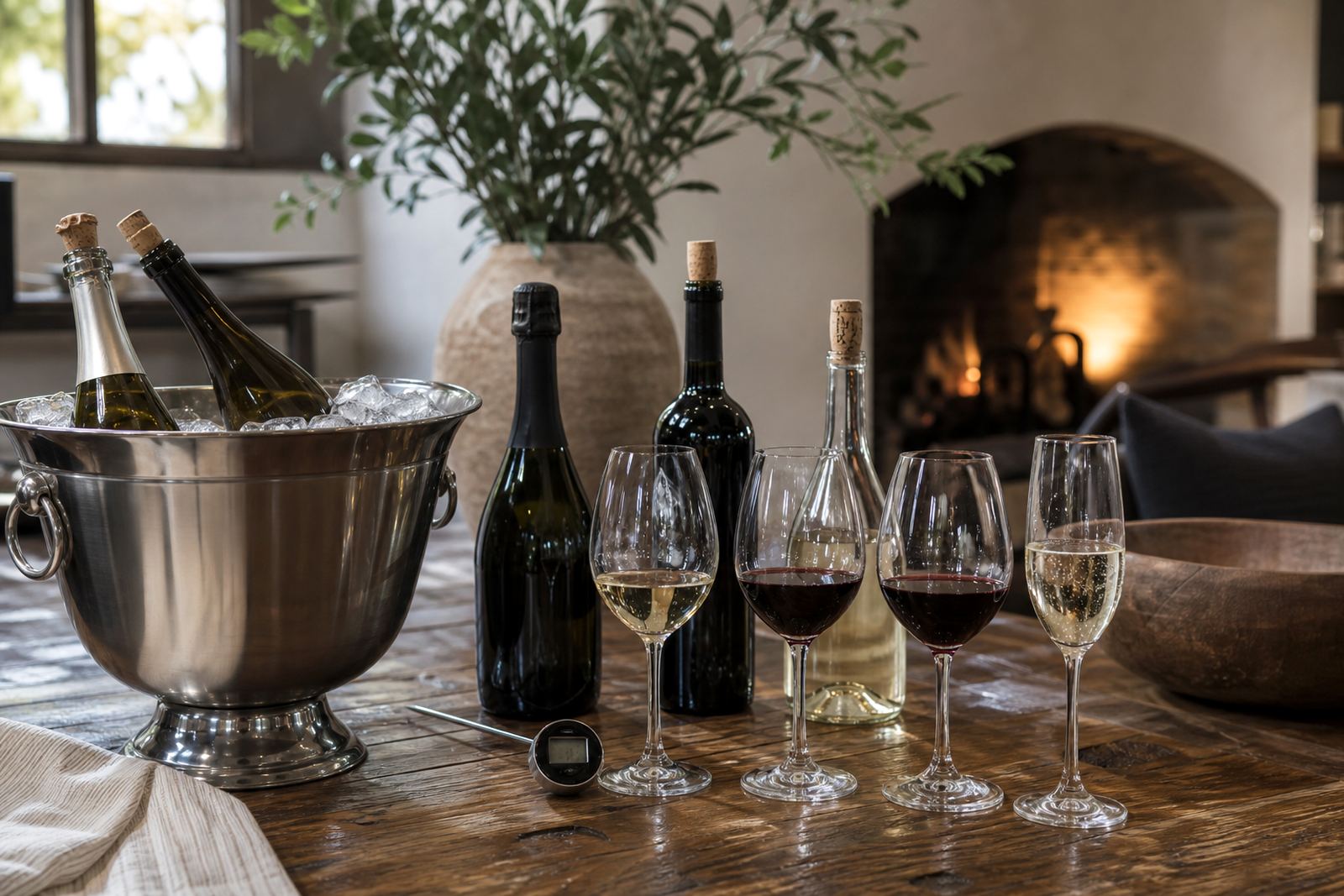
The fridge is the safest tool, but timing matters. A white wine usually needs 2 to 3 hours in a standard fridge. Bubbly often needs about 3 hours. If you are short on time, place the bottle in a bucket with equal parts ice and water for 20 to 30 minutes. Water helps the chill move faster than ice alone.
Do not freeze a bottle to rush the job. It can create uneven cooling, and in some cases the cork can push or the bottle can crack. If the bottle is already cold but not cold enough, put it back for 15 minute intervals rather than guessing.
- Check the bottle before opening by feeling the glass, not only the label.
- Keep chilled wine out of direct sun and away from a hot patio table.
- If you are serving outdoors, bring out one bottle at a time and keep the rest in ice water.
- For load-shedding evenings, plan ahead and chill early so you are not relying on a fridge at the last moment.
A good rule for bubbly is to chill a little longer than you think. A cooler bottle pours cleaner and stays fresher in the glass.
Warming red wine the right amount
Most red wine in South Africa is served too warm, especially in summer. If a bottle has been stored in a warm kitchen, let it rest in a cooler room for a while before pouring. You can also place it in the fridge for 15 to 20 minutes to bring it down a few degrees.
There is no need to serve red wine at room temperature if the room itself is hot. That old phrase came from much cooler houses than the ones we live in now. For a dinner in Franschhoek or Stellenbosch, aim for the wine to feel slightly cool to the hand, not cold.
Use this simple check: if you can taste the alcohol before the fruit, it is probably too warm. If the wine feels tight and quiet, it may be too cold. A short wait on the table can open it up, but only if you start near the right range.
- Light reds can spend a short time in the fridge before serving.
- Full reds may need just 10 to 15 minutes in a cooler room if they came from a warm cupboard.
- Decanting does not replace correct temperature, it only helps the wine breathe.
What to do at a tasting evening or dinner table
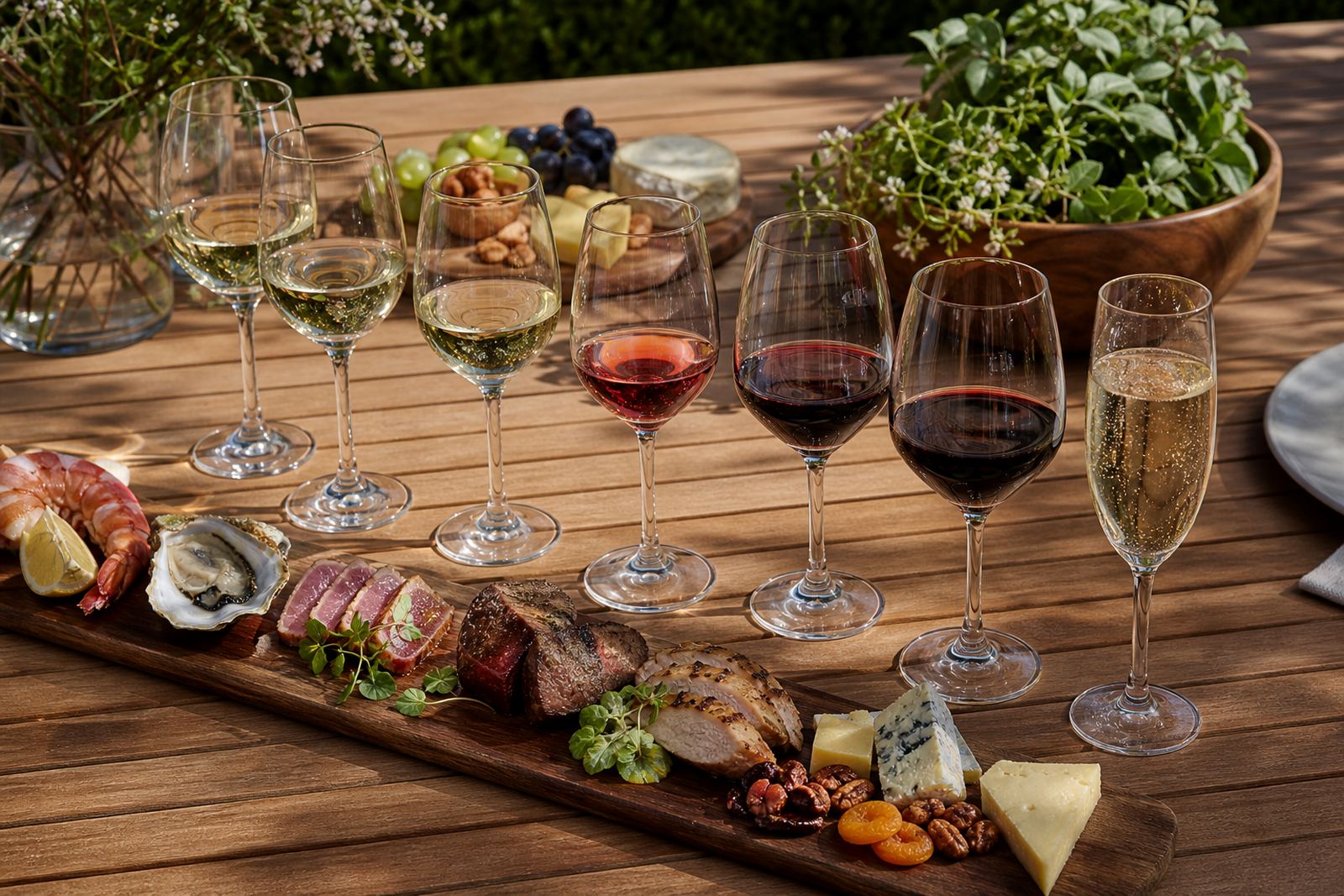
When you are hosting friends, the serving order matters almost as much as the temperature. Start with bubbly, move to white, then lighter reds and finish with fuller reds. This keeps the palate in the right place and avoids one wine overpowering the next.
Have the bottles ready before guests arrive. In a home tasting, place labels face the same way, set out water and plain crackers, and keep extra chilled bottles in a bucket nearby. If you are doing a corporate event, birthday or engagement bubbly evening, assign one person to control the pour so every glass is consistent.
- Use proper glasses that are clean and free of detergent smell.
- Pour smaller tasting amounts so the wine does not warm too quickly in the glass.
- Keep white and bubbly in an ice bucket between pours.
- Set reds on the table only when you are ready to serve them.
- Offer water and neutral snacks so guests can compare wines properly.
At club events across Cape Town, Johannesburg and Durban, the best feedback often comes when the wine is presented at the right temperature and the group can compare styles clearly.
A simple home checklist before you pour
Use this checklist before opening any bottle. It takes less than a minute and it saves a lot of disappointment. Once you get used to it, you will start noticing how much better the wine tastes when the temperature is right from the first sip.
- Is the wine style right for the temperature range?
- Has the bottle been chilled or warmed to suit the wine?
- Will the bottle sit out for more than 30 minutes?
- Is the room hot, cool, or air conditioned?
- Do you need a bucket, fridge space, or a cool counter top?
- Are you serving food that will change the wine feel, such as spicy dishes or creamy sauces?
For food pairings, a slightly cooler white can sharpen rich dishes, while a lightly chilled red can work very well with chicken, mushroom or tomato based meals. If you are unsure, choose the cooler end of the range first. It is easier to let wine warm up a little than to fix a bottle that has gone too warm.
That small bit of planning goes a long way, whether you are pouring for two people at home or for a full table at a vineyard dinner in the Western Cape.