
Start With Weight, Not Just Taste
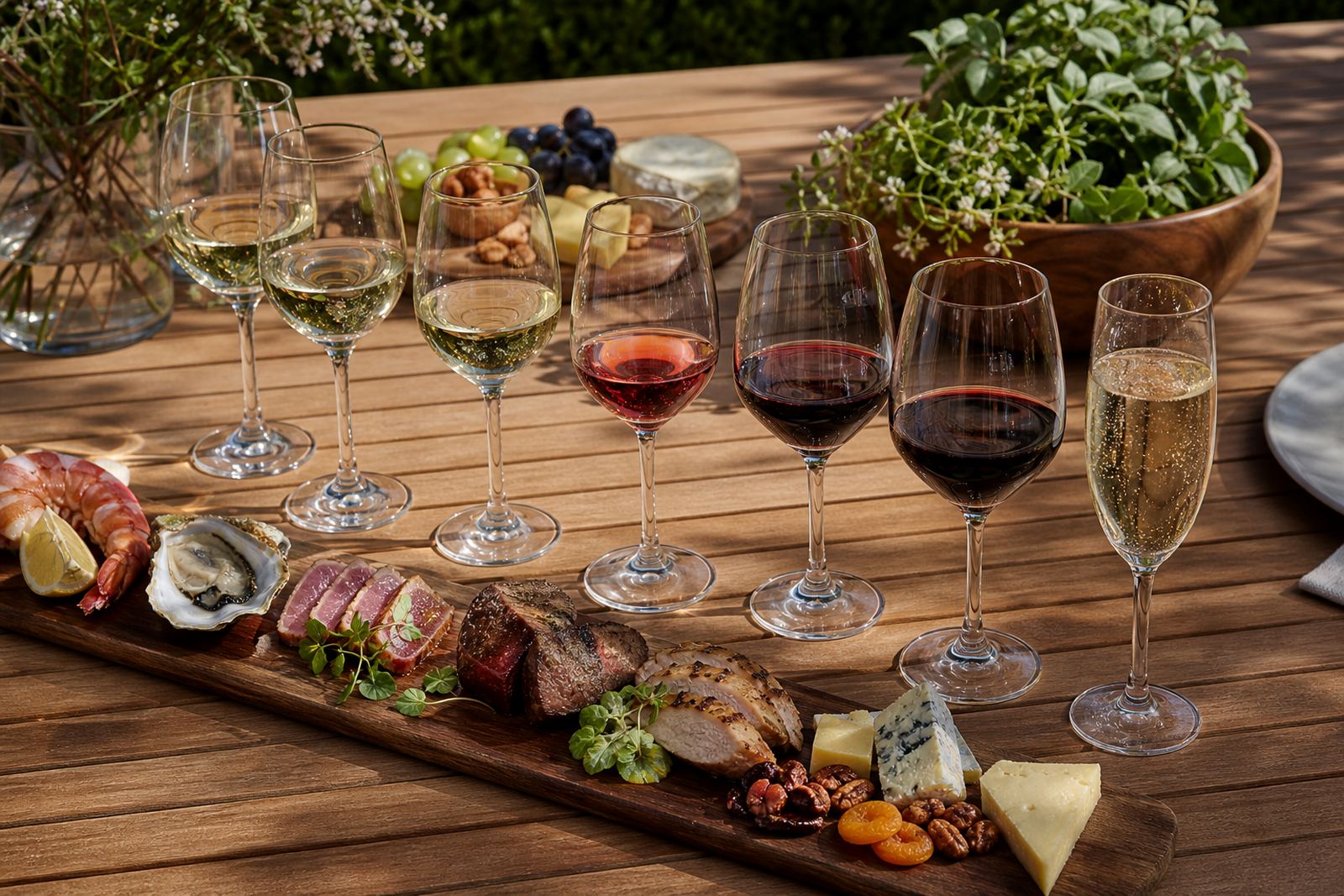
A good pairing starts by matching the weight of the wine to the weight of the food. Light dishes usually sit best with lighter wines, while richer meals need more body in the glass. Think grilled hake, chicken wraps or a fresh salad for lighter whites and rosé, then move toward fuller reds for beef, lamb or slow-cooked dishes. It is a simple way to avoid one side overpowering the other.
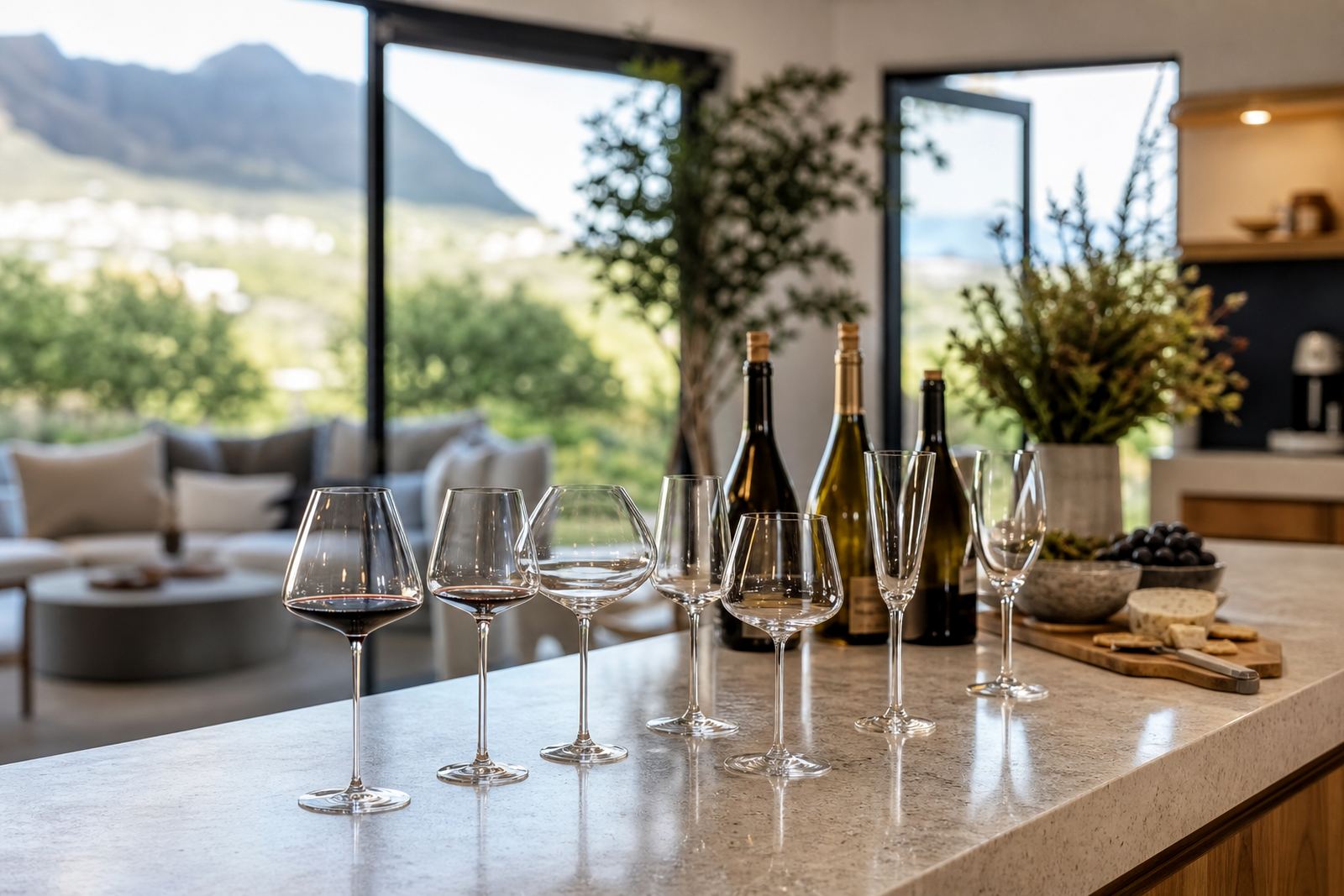
If you are hosting at home in Franschhoek, Cape Town or Stellenbosch, keep a few styles ready for mixed groups. A crisp white, a dry rosé and a medium red will cover most meals, and you do not need to open too many bottles at once. South African weather matters too: on a hot Durban evening, lighter styles often feel more refreshing, while a cooler winter dinner in Johannesburg can handle something a bit fuller.
Use Salt, Spice and Sauce as Your Guide
Food flavour often matters more than the protein on the plate. Salt can soften tannins, spice can make alcohol feel hotter, and creamy sauces can calm acidity. If you are serving peri-peri chicken, bobotie, boerewors rolls or sticky ribs, keep the wine fruity and not too heavy on oak. If the sauce is creamy or butter based, a wine with fresh acidity usually works better.
- Salty snacks like biltong, olives and salted nuts suit crisp whites, dry sparkling wine or light reds.
- Spicy foods need fruit and freshness, so avoid very tannic wines that feel sharp.
- Creamy dishes such as pasta, mushroom sauces or chicken pie pair well with wines that have bright acidity.
- Tomato based meals often call for medium bodied red wines with soft tannins.
If you are unsure, taste the food first and notice what stands out. Is it spicy, salty, creamy or smoky? That clue will point you in the right direction far quicker than memorising long rules.
Easy Pairings For Popular South African Meals
You do not need fancy dishes to enjoy a good pairing. The best combinations are often the ones that feel natural with what people already eat at home. A simple Sunday lunch, a braai, or a snack plate can all work beautifully with local wines when the balance is right.
- Braaied chicken with roast potato salad: chilled white wine or a dry rosé.
- Lamb chops with rosemary and garlic: medium red wine with enough structure.
- Fish curry or prawn curry: aromatic white wine or a lightly off-dry style.
- Cheese and crackers: sparkling wine, especially with creamy or mild cheeses.
- Biltong and droëwors: dry sparkling wine, rosé or a soft red.
- Chocolate brownies: a richer red or a sweet wine for an after-dinner option.
For a family table, set out two wines only. One lighter and one fuller. That keeps the meal easy, avoids waste, and gives guests a clear comparison without turning supper into a long tasting session.
A Simple Step-by-Step Tasting Plan At Home
If you want to test pairings yourself, use a few small portions instead of a full meal. This is especially useful for private home tastings, birthday tasting parties or a quiet night in with friends. Keep the food plain at first, then add sauces or seasoning one at a time. That way you can see what actually changes the pairing.
- Choose 3 wines: one white, one rosé or sparkling wine, and one red.
- Choose 3 foods: something salty, something creamy and something with spice or smoke.
- Pour small tasting portions, about 50 ml per wine.
- Taste the wine first, then the food, then both together.
- Note which pair feels smoother, fresher or more balanced.
Use a simple notebook or your phone to jot down what works. You do not need formal tasting language. Words like fresher, smoother, too sweet or a bit bitter are enough to guide your next choice. Over time you will spot your own patterns, which is far more useful than copying someone else’s palate.
What To Do With Bubbly
Sparkling wine is one of the easiest drinks to pair because the bubbles refresh the palate. It works especially well with salty foods, fried snacks, creamy canapés and richer starters. If you are planning an engagement bubbly evening, a seasonal tasting or a club pop up event, bubbly can carry both the welcome drinks and the first course without much fuss.
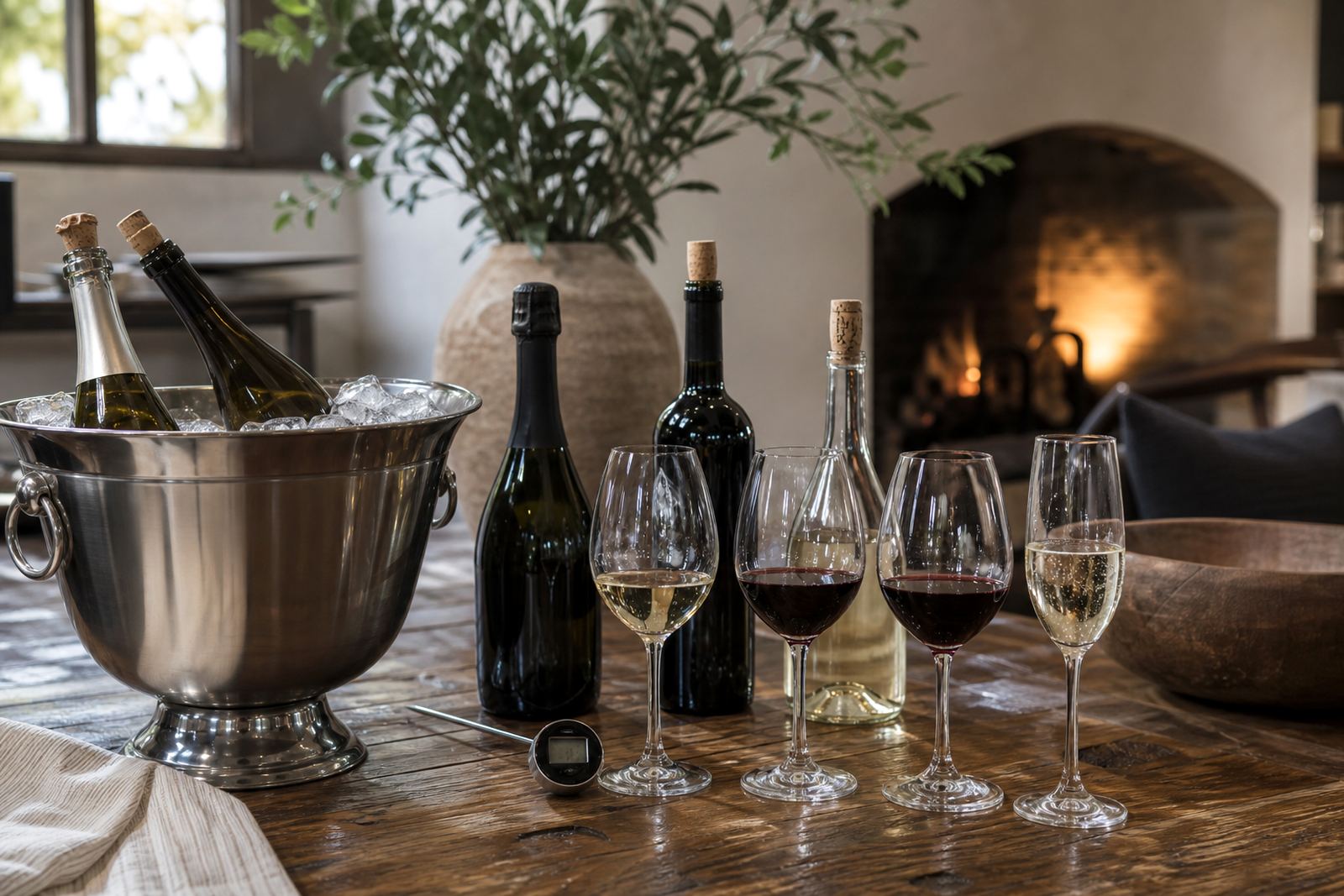
Dry sparkling wine suits oysters, tempura, crumbed chicken bites and cheese puffs. A slightly softer style can work with fruit tarts, glazed pastries and sweet canapés. In summer, especially in coastal towns like Durban, serve bubbly properly chilled but not ice cold, otherwise the flavours close up. A temperature of about 6 to 8 degrees is a good starting point.
For larger events, keep enough ice buckets and shaded serving space available, because load-shedding or warm venues can change the serving temperature quickly. A bottle that warms too fast can lose its balance before the last glass is poured.
Pairing Mistakes To Avoid
Most mistakes happen when the wine is too strong for the food or too soft for the flavours on the plate. A heavy red with a delicate fish dish can flatten both. A very sweet wine with a dry meal can also feel clumsy. If in doubt, step back and choose something more neutral rather than chasing a dramatic match.
- Avoid high tannin reds with very spicy food.
- Do not serve delicate seafood with overpowering oak or alcohol.
- Do not ignore sweetness in sauces, chutneys or marinades.
- Keep glasses and serving temperatures steady, especially in summer heat.
- Do not open too many bottles at once if the meal is informal and the group is small.
For home use, this is often about common sense. If the food is still quiet and the wine is loud, one of them will feel out of place. Aim for balance first, then worry about fine details later.
When You Want A More Guided Experience
Once you are comfortable with the basics, a guided tasting can help you build confidence faster. That is useful for corporate tasting events, beginner wine workshops, food pairing dinners or virtual group tastings. You learn how different styles behave with cheese, grilled meat, seafood, snacks and desserts, and you get real time feedback from other tasters too.
For groups in Franschhoek, Paarl, Somerset West, Constantia, Cape Town, Stellenbosch, Johannesburg and Durban, tasting evenings are a practical way to compare wines side by side without the pressure of getting everything right. The main goal is to notice what you enjoy, what suits your table, and which local wines you would happily pour again.
If you are starting from scratch, keep it simple: one wine, one dish, one note about what changed. That is enough to begin building a confident pairing habit at home.