Start With the Weather, Not the Shelf
In South Africa, weather can change the way a wine feels in the glass. A crisp white that tastes perfect on a warm Franschhoek afternoon may seem too sharp next to a rich winter stew in Johannesburg. Start by thinking about temperature, humidity and how long the wine will sit on the table. A bottle served too warm can lose freshness, while a heavy red on a hot day can feel tiring by the second glass.
For summer months, look for wines with bright acidity, lighter body and fresh fruit. In winter, choose wines with a little more weight, spice or texture. Coastal towns like Cape Town, Durban and Somerset West often suit chilled whites, rosé and sparkling options, while inland evenings may call for more structure. If load-shedding is likely, keep a small stock of wines that do not depend on perfect chilling for too long.
- Hot weather: white, rosé, sparkling and light red styles
- Cool weather: fuller reds, textured whites and barrel-aged wines
- High humidity: store bottles upright and away from sunlight
- Windy or dry inland conditions: avoid leaving corks exposed for long
Match the Bottle to the Menu
Food is the quickest way to narrow your choice. A grilled fish dish, chicken salad or sushi style platter needs a different wine from a slow-cooked lamb shank or bobotie. Think of weight, salt, spice and sauce. A wine should sit comfortably beside the meal, not fight it.
For spring and summer menus, choose wines that can handle salads, seafood, fresh herbs and lighter proteins. Sauvignon Blanc, Chenin Blanc and dry sparkling options work well for those brighter plates. For autumn and winter, red blends, Pinotage and richer whites suit roasted vegetables, creamy sauces and stronger flavours. If your menu includes spicy food, especially at a Durban or Johannesburg gathering, avoid wines with too much oak or high alcohol as they can feel hot and heavy. You want balance, not a battle.
- Seafood and sushi: zippy whites or dry sparkling wine
- Roast chicken and creamy dishes: fuller whites with texture
- Braai meats and lamb: medium to fuller reds
- Spicy dishes: fruit-forward wines with moderate alcohol
Buy for the Occasion, Not Just the Label
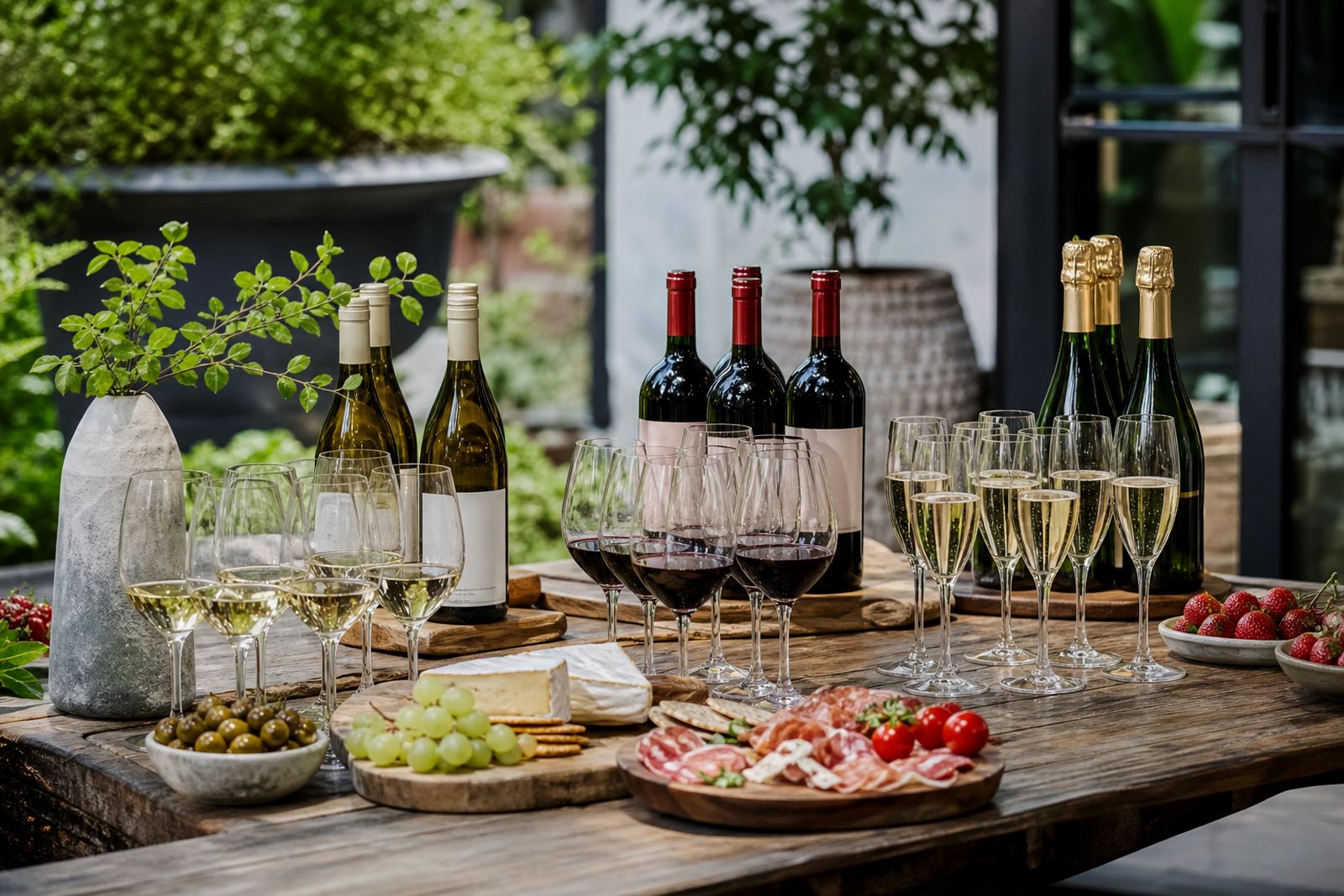
Seasonal wine buying also depends on who is coming. A quiet dinner for two, a birthday tasting in Stellenbosch, and a corporate team event in Cape Town need different bottles and quantities. For smaller gatherings, choose a mix of crowd-pleasers and one or two bottles that are a little more adventurous. For larger groups, aim for wines that are easy to understand and easy to pour. If your guests have mixed tastes, include at least one white, one red and one bubbly option.
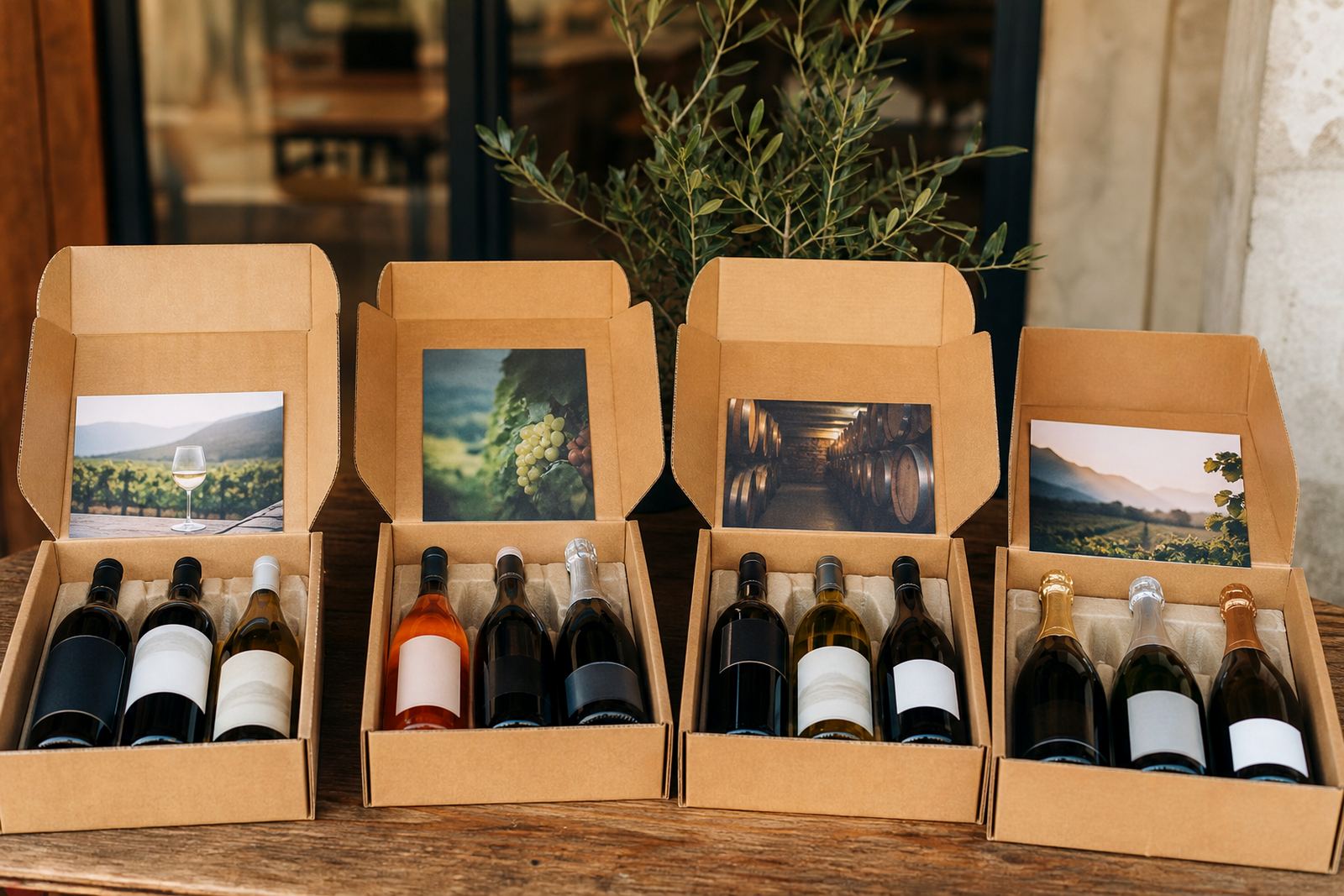
At Ching Ching Cellar, many members use this approach for monthly boxes and tasting evenings. It takes the pressure off choosing the same style every month. One box can lean fresh and lively for warmer weather, while the next can focus on deeper flavours for winter. That way, your cellar grows with the season and your social calendar.
- Family gathering: easy-drinking wines with broad appeal
- Birthday or engagement: include one celebratory sparkling option
- Corporate event: choose balanced wines that suit mixed palates
- Holiday season: stock enough for repeat visits and unplanned guests
Use a Simple Seasonal Buying Checklist
A checklist keeps you focused and helps prevent overbuying. Before you place an order or pick up bottles for the month, ask yourself a few basic questions. What is the weather likely to be? What food will be served? How many guests are coming? Will the wine be opened immediately or stored for a few weeks?
This is especially useful before long weekends, festive season trips, and winter entertaining when the pace gets busy. If you are ordering for delivery across South Africa, think about storage on arrival too. A bottle left in a hot car in Paarl or on a sunny stoep in Durban can suffer before it even reaches the table. Keep deliveries indoors and out of direct heat. It sounds simple but it matters.
- Check the season and likely temperature
- Match wine style to the main food on the table
- Count guests and allow for a bit extra
- Decide whether you need fresh, drink-now wine or bottles for later
- Store in a cool, dark place until serving
Think About Storage Between Seasons
Seasonal buying works best when your storage is practical. In summer, a cool cupboard, wine rack away from windows or a cellar-style room can protect the bottles from heat. In winter, the challenge is less about temperature spikes and more about keeping corks and labels safe from damp. Coastal humidity can affect packaging and labels, while dry inland air can make storage spaces dusty. Neither is ideal, so keep bottles in a stable place whenever you can.
If you are buying for a few months ahead, lay down a simple rotation. Put the wines you want to drink soonest at the front and the special bottles behind them. If you keep sparkling wine for celebrations, make sure it is not sitting near a stove or in a bright kitchen window. Good storage does not need expensive kit, just consistency and a little care.
- Cool, dark and steady is best
- Avoid kitchens, roof spaces and direct sun
- Keep sparkling wine upright for short periods before serving
- Check labels and corks if bottles have been stored for months
Build a Year-Round Wine Rhythm
The easiest way to buy better is to make it a habit. Instead of starting from scratch every season, build a rhythm that suits how you eat and socialise. In spring, stock up on fresh whites and lighter sparkling wines. In summer, keep chilled bottles ready for braais, poolside lunches and relaxed evenings. In autumn, add more textured whites and red blends. In winter, lean into fuller wines for slow dinners, fireside gatherings and holiday meals.
For many South African households, this rhythm also helps with budgeting. Buying with the season means you do not waste money on wines that are out of place. It also helps you keep a better mix on hand for different moments, from a casual Friday night to a planned tasting with friends. If you are still not sure where to start, choose one wine style you know you like and one new style each month. That small step builds confidence fast.
Seasonal buying is not about making wine complicated. It is about making it fit your life better, one month at a time.