Start with the right city and the right guest count
Before you book anything, decide what kind of evening you want. A small private tasting for 12 people needs a very different setup to a 60 guest corporate mixer. In Cape Town, a city venue close to the CBD or the Atlantic Seaboard can suit after-work groups who want easy access and Uber availability. In Johannesburg, Sandton, Rosebank and nearby business nodes are practical for weekday events. In Durban, choose a venue with good airflow and parking, especially in warmer months when guests arrive earlier and linger longer.
Keep the guest count honest from the start. A tasting that is too full becomes noisy, and people miss the details in the wine or bubbly. For hosted tastings, allow enough space for standing and seated moments, plus a clear serving point. If you are planning a club pop up, a corporate gathering or a birthday evening, it helps to know whether you want a social format or a guided, seated session.
Choose a venue that works for pouring, talking and moving
The best venue is not always the prettiest one. Look for a room with enough table space for glasses, water and tasting notes, plus a separate area for chilled stock. Ask about load-shedding backup, because a tasting with no lighting or no fridge support quickly becomes messy. In coastal areas like Cape Town and Durban, check humidity too, especially if the venue stores glassware or opens cellar doors to the outside air.
- Good access for deliveries and quick unpacking
- Reliable backup power for lighting and cooling
- Enough chairs or high tables for your chosen format
- Clean water points for rinsing glasses and resetting tables
- Safe parking or easy drop off for guests
- Sound that lets the host speak without shouting
If you are hosting in a venue with strict municipal rules or body corporate limits, confirm trading hours, noise cut offs and alcohol service permissions in writing. It saves last minute trouble.
Build the tasting flow before you build the menu
A good tasting has a clear pace. Start with a welcome drink or first pour, then move into a guided sequence from lighter to fuller styles. For bubbly evenings, begin with a crisp opening pour and then move into richer sparkling styles or food matches. For wine workshops, keep the line-up tight, usually four to six wines, so guests stay engaged and do not rush their notes.
Match the menu to the format. Simple nibbles work well for a focused tasting, while plated snacks or canapés suit longer social events. In Johannesburg, guests often arrive straight from work, so finger food that is easy to eat while standing can be practical. In Durban, cooler dishes and well chilled bubbles are often better on warm evenings. If you are planning food pairing dinners or engagement bubbly evenings, align the pour order with each course, not the other way round.
Plan the logistics early so the night runs on time
The timing of a city event matters as much as the wine list. Build in travel time for guests, courier delays, parking delays and a little breathing room for the host. For Cape Town events, traffic after 16:30 can slow arrivals from the Southern Suburbs or the city fringe. In Johannesburg, allow extra time for traffic spikes and rain. In Durban, evening downpours can shift arrival times, so a short grace period helps.
- Confirm delivery window and venue access hours
- Check chilling space for bottles and water
- Keep spare glasses, ice and serviettes on site
- Test the microphones or speaker setup if needed
- Have a backup plan for power interruptions
- Assign one person to guest welcome and one to service flow
Thabo Nkosi and the logistics side of any hosted tasting should always be sorted before the guest list is final. When the drinks arrive on time and the venue is ready, the rest of the evening feels calm.
Set up the room for comfort, not just appearance
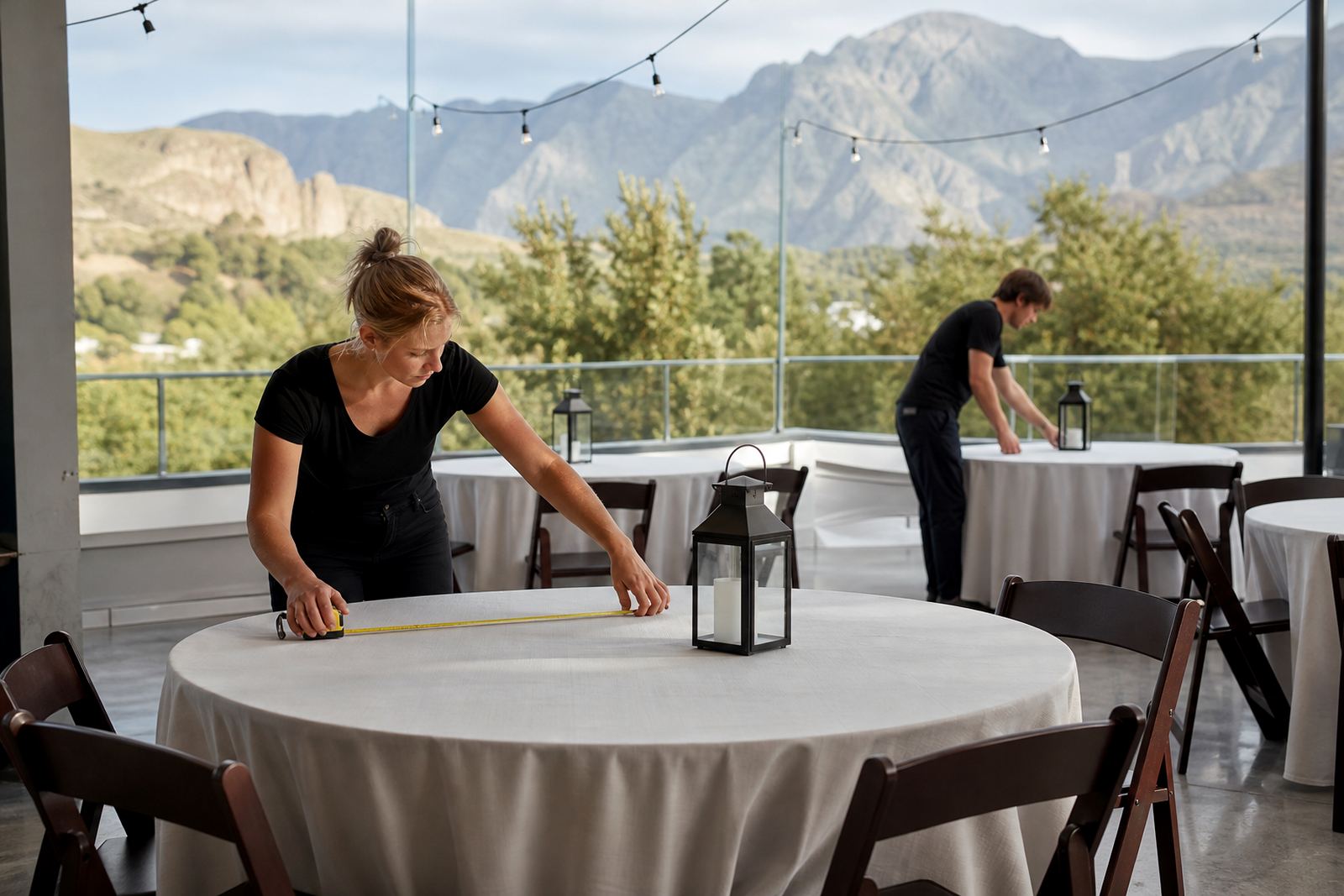
A tasting room should feel relaxed and easy to move through. Keep the seating close enough for conversation but not so tight that guests are knocking elbows. Use white or neutral table surfaces where possible, because they help people see the colour of the wine and bubbly properly. If the room is dark, make sure there is enough lighting over each table. In a cellar-style venue, a bit of coolness is fine, but people should not be shivering by the second pour.
For corporate tasting events, keep branding subtle and the focus on the experience. For private home tastings, use simple glassware, clear table markers and one central tasting sheet. If you are hosting a birthday tasting party or a wedding wine planning session, set aside a small area for gifts, notes or speeches so the main tasting area stays uncluttered.
Use a local checklist before guests arrive
A simple checklist makes a city tasting much easier to manage. Megan Jacobs usually plans the wine selection first, then the rest of the evening can be arranged around the bottles. Keep the set up practical and do not overcomplicate it. Guests remember the flow, the service and whether they felt looked after.
- Wine or bubbly list confirmed and chilled
- Glassware counted and polished
- Water jugs filled and tasting notes printed
- Food portions checked against guest count
- Guest list confirmed with arrival time
- Venue contact, access code and parking details on hand
- Spare apron, napkins and bottle opener ready
If you are running a seasonal tasting evening or a beginner wine workshop, keep the language simple and the pace friendly. Not everyone knows the difference between styles on the first visit, and that is fine. The job is to make the evening easy to enjoy and easy to remember.
After the event, capture what worked for the next one
Once the last glass is cleared, take notes while the details are still fresh. Which wines disappeared first? Did guests prefer seated or standing service? Was the room too warm, too loud or just right? These small observations help with the next city booking, whether it is in Cape Town, Johannesburg or Durban.
Leandri Botha and Yusuf Daniels often feed guest feedback back into future tastings, from bottle choices to room layout. Over time, that is what turns a one off evening into a reliable format. If you want to host a private tasting, corporate night or club event in a city venue, the best plan is the one that keeps the evening smooth from first arrival to final pour.