Start With the Size of Your Guest List
Begin with a number that suits your space and budget. Six to eight guests is a comfortable size for most homes because everyone can taste, chat and compare notes without the evening becoming noisy or rushed. If you are planning a smaller dinner in Constantia or a bigger gathering in Johannesburg, think about seating, lighting and how easy it will be to move between the kitchen, dining room and patio.
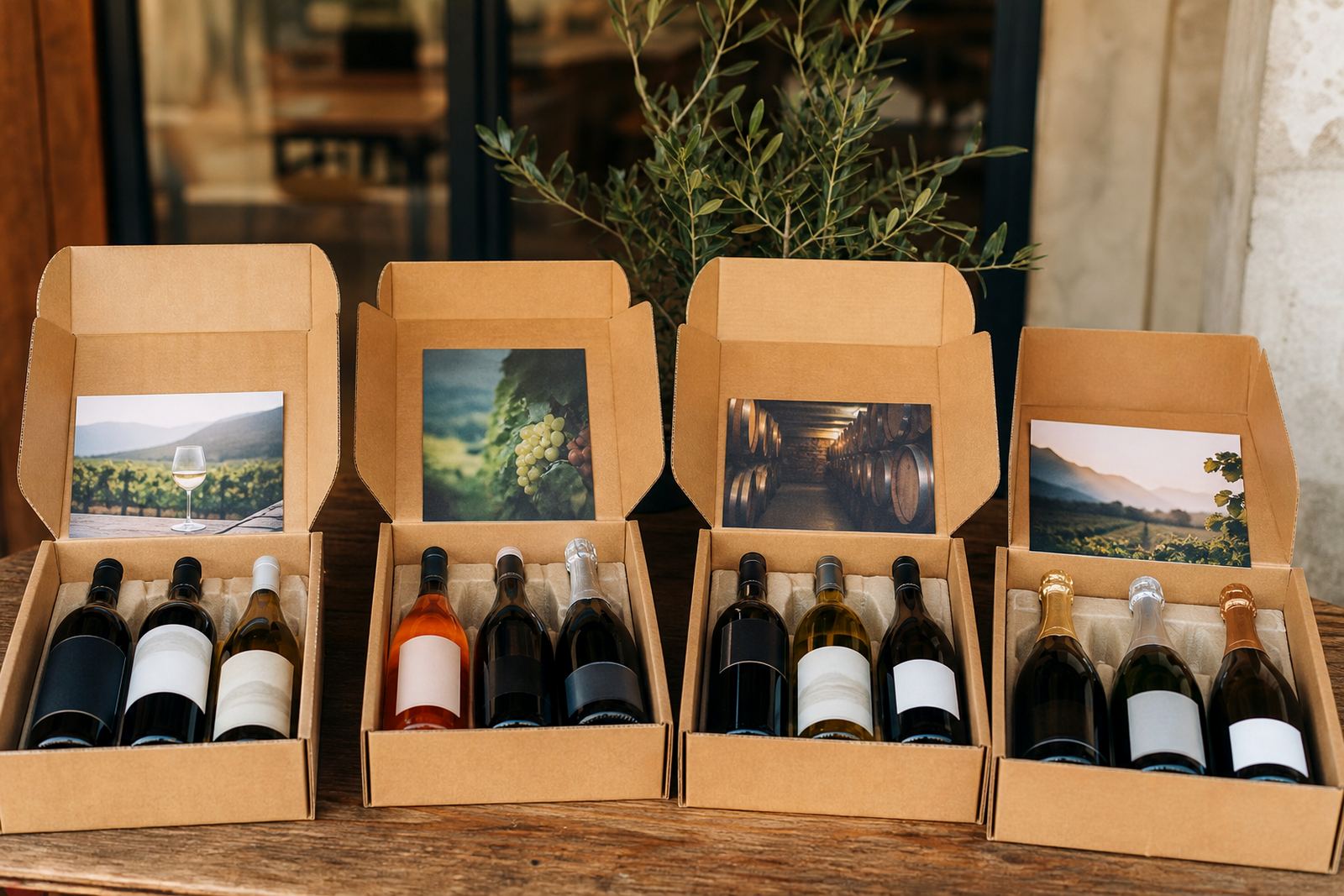
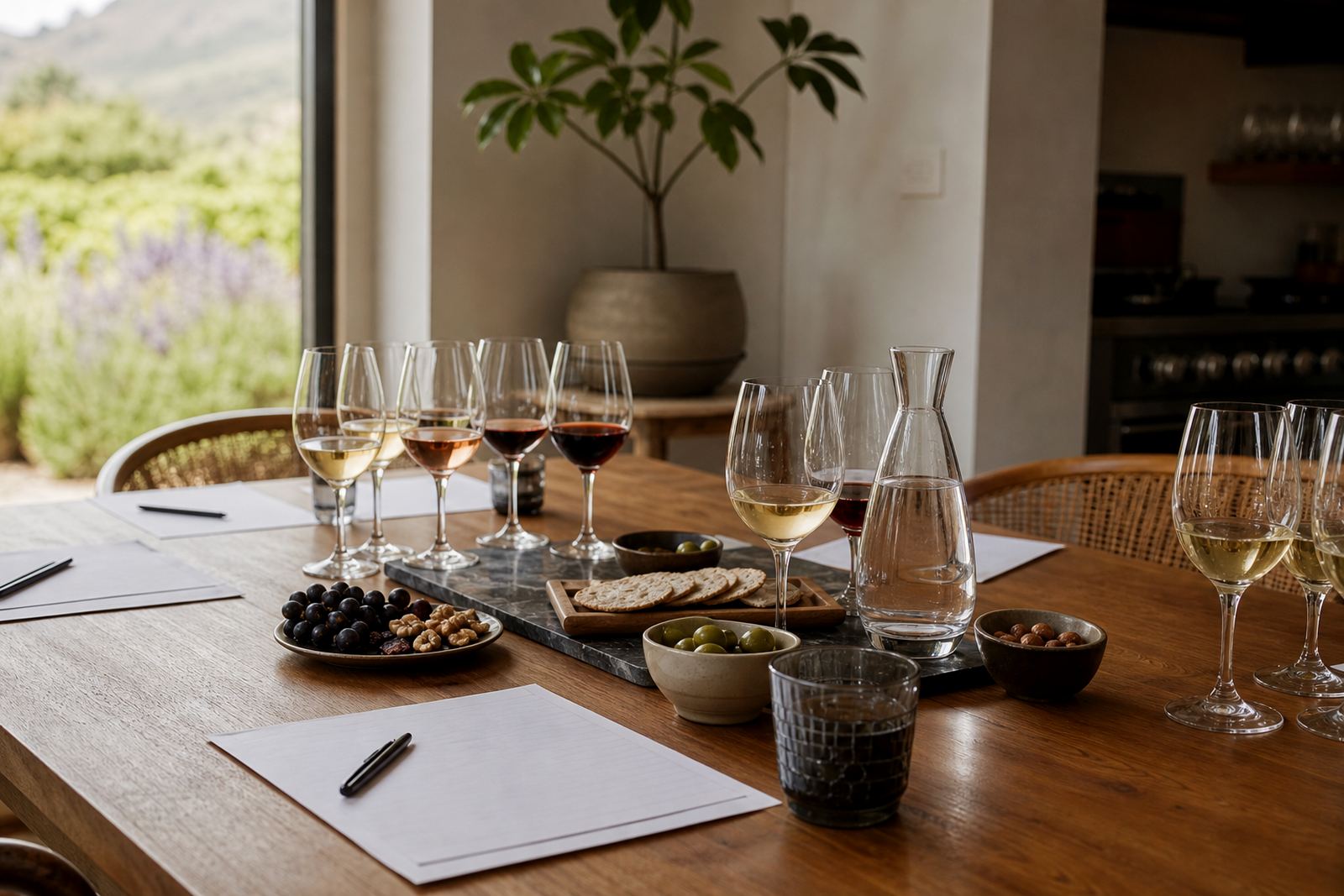
Choose one simple format before you invite anyone. A mixed tasting can include still wine and bubbly, while a themed evening might focus on a single grape, one region, or food pairings. Keep the plan clear so guests know what to expect and you can prepare enough glasses for everyone. It helps to decide early whether the evening is casual or more structured, because that affects the pour sizes and the time needed between tastings.
Build a Simple Tasting Order
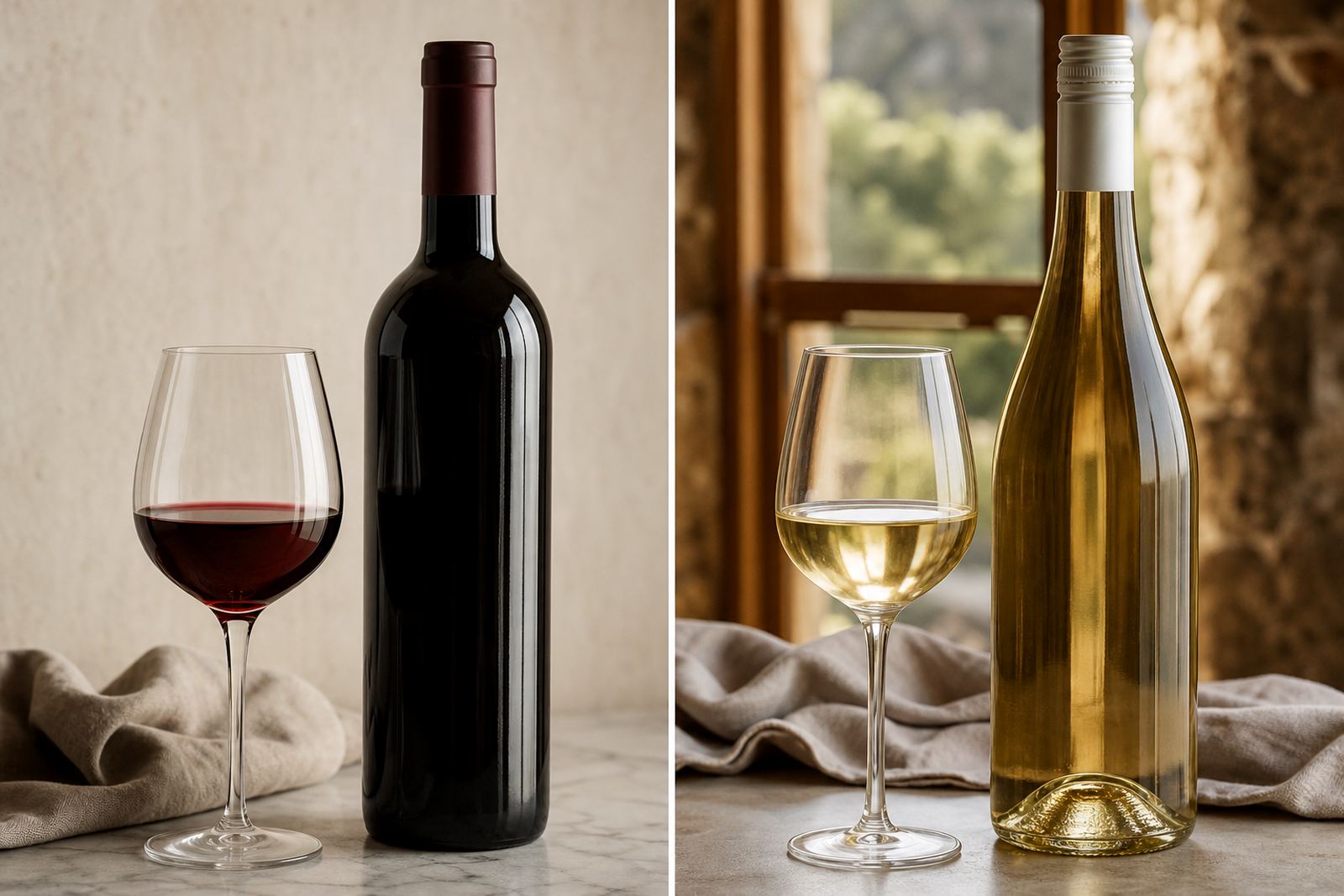
Good flow makes the evening easier for everyone. Start with lighter styles and move towards fuller flavours. If bubbly is part of the line-up, pour it first while palates are fresh, then move to white wine and finish with heavier reds or richer styles. This order works well for beginner wine workshops and private home tastings because guests can taste without their senses being overwhelmed.
- Set out each bottle in the order it will be poured.
- Chill whites and bubbly for long enough before guests arrive.
- Open reds early if they need time to breathe.
- Use small tasting pours so the evening stays comfortable.
- Keep still water on the table for rinsing and resetting the palate.
Label each bottle with a number if you want a blind tasting. That adds a bit of fun and keeps the group focused on aroma, taste and texture rather than the label.
Prepare the Room Before Guests Arrive
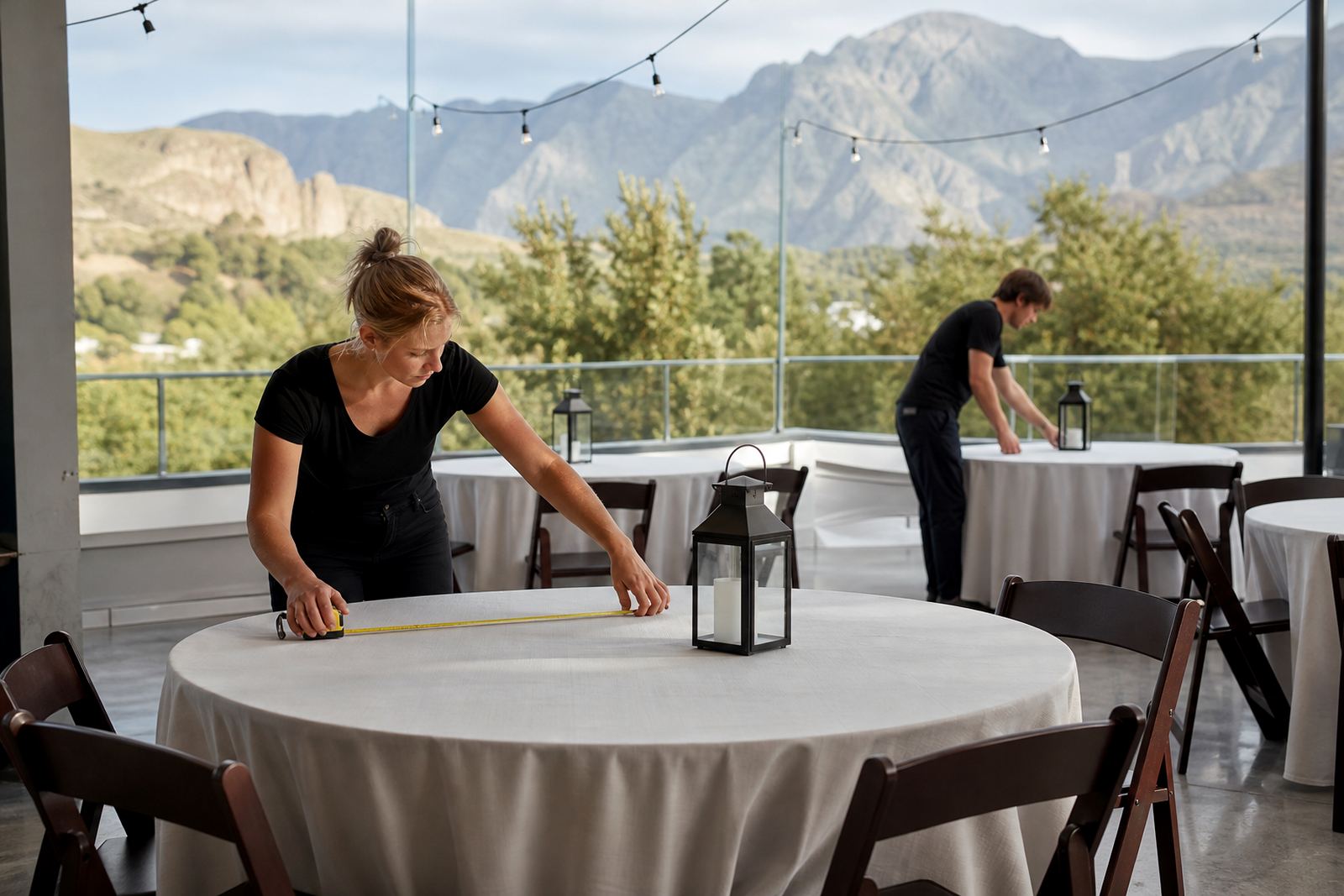
Set the room up at least 30 minutes before the first guest walks in. Use enough table space for glasses, water, tasting cards and snacks. Soft lighting works better than bright overhead lights, and a quiet music playlist helps the conversation without getting in the way. If you are near the coast, keep bottles out of direct sunlight and chill them a little longer because humidity and warm evenings can bring the temperature up fast.
Load shedding is worth planning for as well. Have candles, a charged speaker and a small torch close by if the lights may switch off during the evening. A cooler box or ice bucket is handy in summer, especially in Durban and Somerset West. Clean glassware, a cloth for drips and a spare bottle opener should all be close at hand so you are not running around once guests have arrived.
Choose Food That Supports the Wine
Food should help the wine, not fight with it. Keep the menu simple and easy to serve. Think breadsticks, crackers, olives, nuts, mild cheeses, biltong and sliced fruit. If you want a fuller spread, add a small grazing board with something salty, something creamy and something fresh. Strong chilli, very sweet desserts or heavy sauces can overpower the tasting, so save those for later in the evening.
- Offer neutral crackers for cleansing the palate.
- Include at least one vegetarian option.
- Keep oily or strong-smelling foods separate from the tasting area.
- Have water available at every seat.
- Use small plates so guests can nibble without crowding the table.
If you are pairing food with a private dinner, match the dishes to the wines one course at a time. That keeps the tasting focused and gives guests a better sense of how the wine changes with each bite.
Guide the Conversation Without Making It Formal
Most guests enjoy a little structure, but nobody wants a lecture. Keep the conversation light and ask simple questions such as what aromas people notice first, whether the wine feels crisp or full, and what food they would serve with it. A tasting sheet can help guests record their thoughts, but it should not feel like homework.
If you are hosting a birthday tasting party or a team event, choose one person to lead the room. That person can explain the order, keep the tasting moving and make sure quieter guests have space to join in. For virtual group tastings, send the list of wines in advance so everyone can pour at the same time and stay on the same page. It also helps to have one clear time for each pour, otherwise the evening drifts and some people rush while others lag behind.
Finish the Evening in a Way That Feels Easy
Plan the last 20 minutes as carefully as the first 20. Leave a final bottle for comparison, then wind down with water, coffee or a small sweet bite if it suits the menu. If guests are travelling back to Stellenbosch, Paarl or Cape Town, make sure they leave with enough time and transport plans in place. Safety matters, especially after a wine-heavy evening.
Before guests arrive, set out a quick cleanup station with rubbish bags, a cloth and a bin for used corks or caps. That makes the end of the evening much simpler and keeps the kitchen tidy. You may also want to keep a note of which wines were favourites, because that makes it easier to plan your next home tasting or choose a subscription box that matches the group’s taste.
A Handy Home Tasting Checklist
Use this final check before the first pour. It keeps the evening calm and helps you catch small details before guests arrive.
- Bottles selected and counted.
- Glasses cleaned and ready.
- Water, ice and cooler ready.
- Food prepared and portioned.
- Lights, music and seating sorted.
- Tasting notes or score cards on hand.
- Transport plan sorted for guests who need it.
If you want to make the evening feel more polished, choose one theme and stick to it. A focused tasting is easier to host and usually more memorable for guests, whether you are in Franschhoek village or hosting a group in Durban.