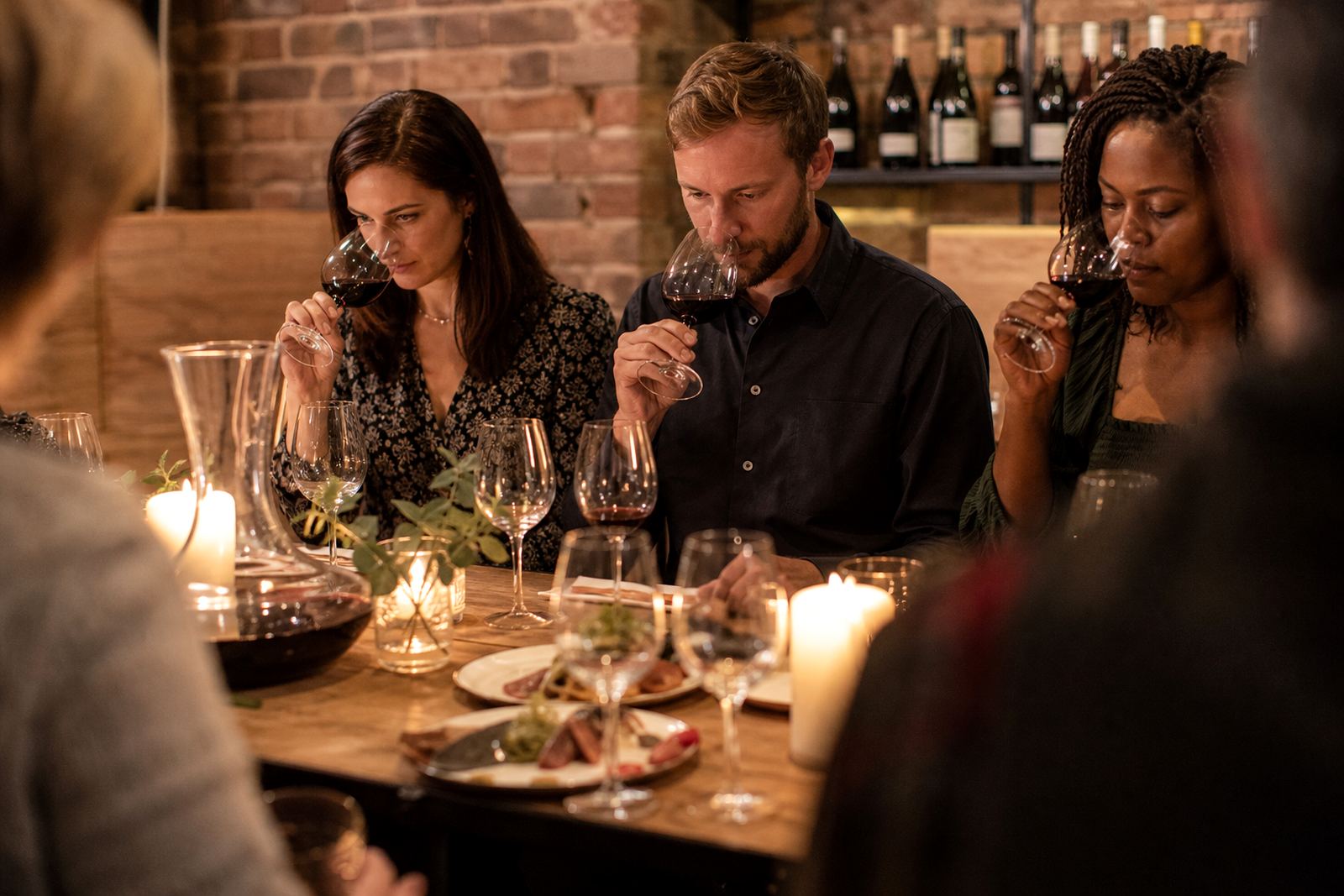
When red wine is the main event
Red wine fans usually want more than a bottle on the table. They want a line-up that can carry a braai, a slow-cooked meal, a birthday supper or a relaxed Friday tasting with friends. At Ching Ching Cellar, the focus is on local reds that are easy to talk about and easy to enjoy, with enough variety to keep both casual drinkers and experienced members interested.
For monthly boxes, that often means a mix of Cabernet Sauvignon, Merlot, Shiraz, Pinotage and Rhône-style blends. In South African conditions, especially in warmer coastal areas like Durban or humid summer evenings in Cape Town, you need reds that still taste balanced when the room is not chilled. That is why the selection has to be thoughtful, not just heavy or expensive.
Founded in 2013 and based in Franschhoek village, the club serves members who want local wines delivered across South Africa and tasted in good company. The idea is simple: choose reds that suit the food on the table, the season, and the type of gathering.
Typical setup for a red wine tasting at home
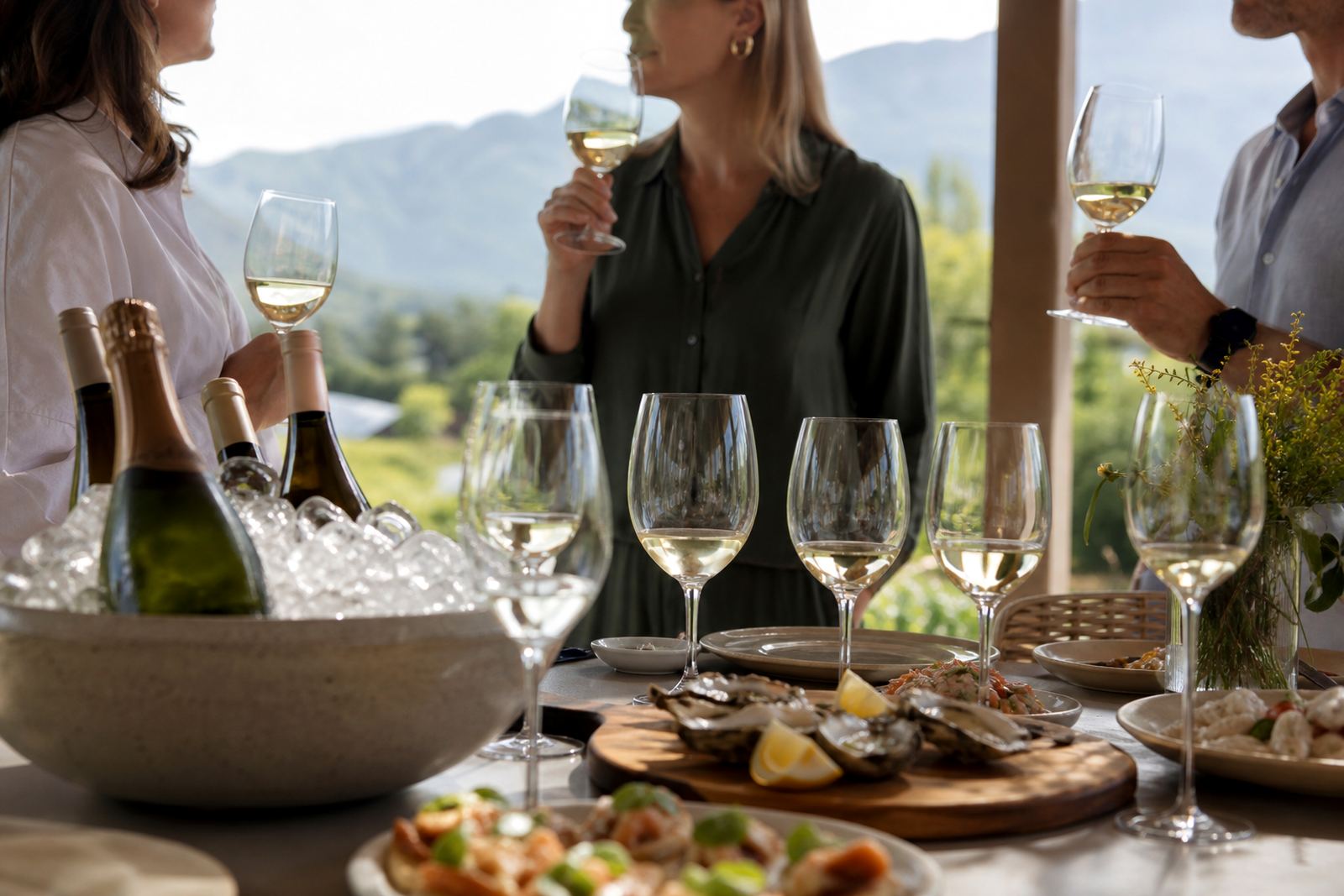
A good red wine tasting does not need much, but the right setup makes a big difference. For a private home tasting or club night, the basic kit usually includes proper glasses, a few spittoons or water glasses, plain crackers or bread, a small cooler for bringing bottles up to serving temperature, and printed tasting notes if the group likes structure.
- 6 to 12 wine glasses, depending on group size
- Bucket or insulated cooler for temperature control
- Water jugs and still water for palate cleansing
- Plain bread, crackers or unsalted snacks
- Notebook cards for notes and favourite picks
- Cork screw, drip cloths and a few napkins
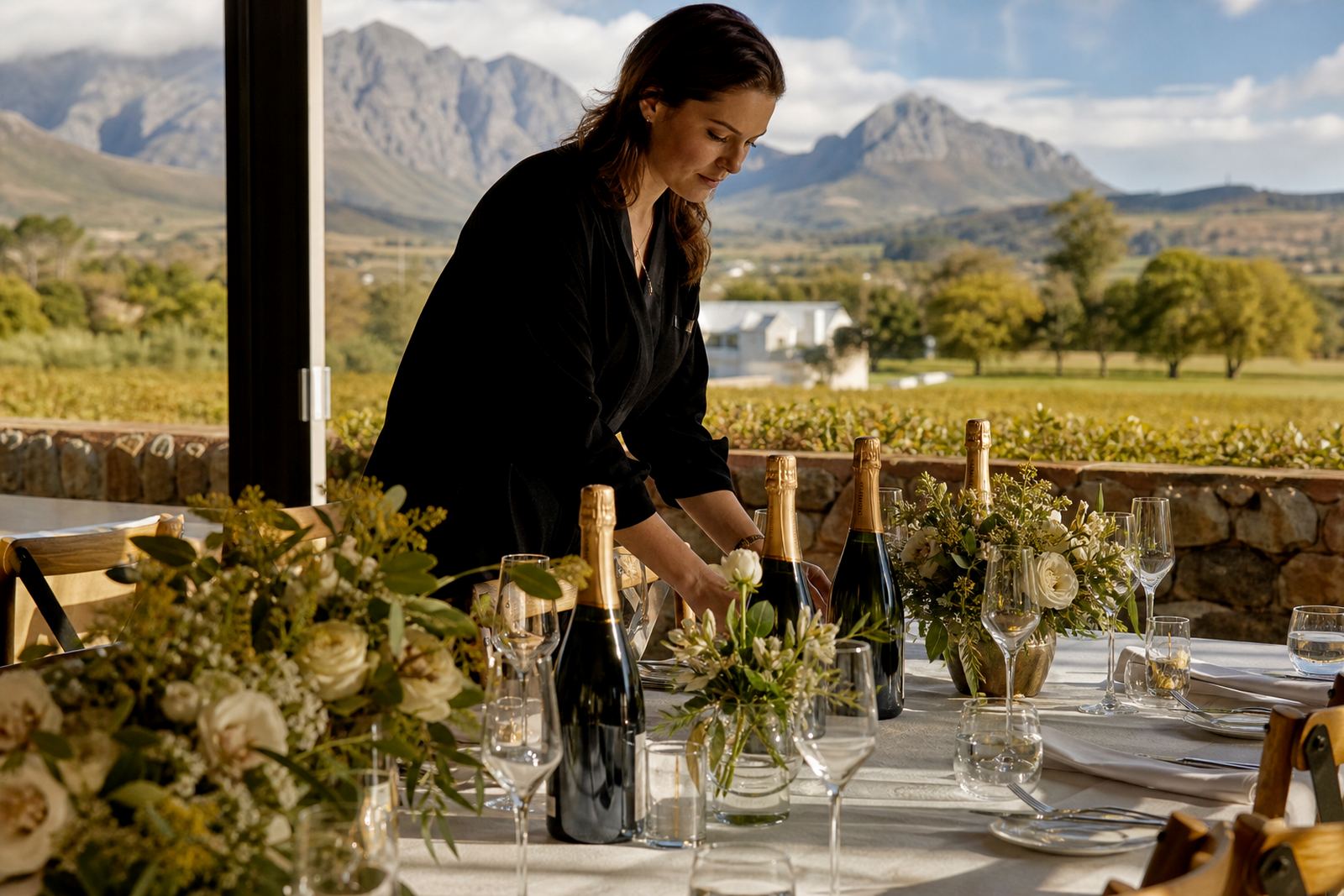
For venues in Stellenbosch, Franschhoek or Constantia, a dining table, sideboard or outdoor covered area often works well. In Johannesburg, where evenings can cool down quickly, reds should be opened early enough to breathe. If the venue has load-shedding, have a backup plan for lighting and if you are using an electric wine fridge, check power timing before guests arrive. The same applies to corporate venues and wedding settings where schedules can be tight.
Planning the menu around bold, smooth reds
Red wine works best when the food supports the wine instead of fighting it. A menu for red-focused guests should balance protein, salt, fat and acidity. Think grilled lamb, beef short ribs, mushroom dishes, tomato-based pastas, venison pies, bobotie, mature cheeses and roasted vegetables with char and seasoning. For lighter reds, duck, chicken with paprika or pork belly can work well too.
In summer, many hosts make the mistake of serving reds too warm or pairing them with overly rich food from the start. That flattens the wine. A better approach is to begin with a softer, fruit-forward bottle and move toward the more structured wines later in the evening. If bubbly is included for arrival, keep it separate from the red flight so the tasting still has a clear shape.
- Start with lighter-bodied reds first, then move to fuller styles
- Serve reds slightly cooler than room temperature where possible
- Keep sauces not too sweet and not too spicy
- Include at least one vegetarian dish that is not heavy on heat
- Allow 30 to 45 minutes for the tasting if it is a small group
For corporate tastings or team building, it helps to keep the menu practical and neat. Nobody wants red wine stains on pale linen and no one wants a complicated plate while they are trying to compare aroma, tannin and finish.
Common mistakes red wine fans make
The biggest mistake is assuming every red should be big and intense. That gets tiring fast. A tasting evening needs contrast, otherwise the wines blur together and the group loses interest. Another common problem is serving all the reds at once, which makes it hard to remember what stood out and why.
It also helps to avoid poor glassware and very warm serving temperatures. In a coastal town, a bottle left on the counter for too long can feel flat and hot. In a Pretoria summer, the same bottle may lose shape before the first pour. For home tastings, a steady temperature matters more than fancy decor.
- Do not pour too much at once, keep tasting pours small
- Do not pair every wine with only one rich dish
- Do not ignore ventilation in small rooms or enclosed patios
- Do not overbook the evening, especially for beginners
- Do not forget water, palate cleansers and a clean table surface
Leandri Botha in Customer Experience and Siyabonga Dlamini on tasting events often help members plan evenings that feel relaxed rather than rushed. That makes a real difference when guests are trying red wines for the first time or comparing different styles.
Budget ranges for monthly boxes and tasting events
Most red wine fans want a clear idea of what to spend before they start planning. Monthly subscription boxes are usually the easiest entry point because they spread the cost and give members a consistent tasting rhythm. For a smaller home tasting, a budget of around R850 to R1 500 can cover a modest selection with snacks and tasting essentials. For a more polished gathering, a range of R2 000 to R4 500 is more realistic.
Corporate tastings, food pairing dinners and private group events vary depending on venue, travel, number of guests and how much support is needed on the night. A small business team evening in Somerset West will not cost the same as a larger Johannesburg function with a full pairing menu and delivery coordination. Thabo Nkosi manages logistics and delivery so bottles arrive in good condition and on time, which matters when the venue is booked by the hour.
For wedding wine planning, engagement bubbly evenings or club pop up events, allow room in the budget for glassware hire, ice, travel, notes and back-up bottles. In South Africa, practical spending often beats trying to make a smaller budget do too much. A clear plan saves money in the end.
How the club experience works for red wine lovers
Members who enjoy red wine often like having a reason to slow down and taste properly. That is where the club works well. Megan Jacobs leads wine selection, so the bottles are chosen with food, season and member experience in mind. Yusuf Daniels keeps the Cellar Journal moving with notes that help members remember what they tasted and why it worked with the meal.
Whether the event is in Franschhoek, Paarl, Cape Town, Stellenbosch, Johannesburg, Durban or Constantia, the format stays practical. Members can book private home tastings, beginner workshops, virtual group tastings or seasonal tasting evenings. Businesses can also use the club for team building, client hosting or staff rewards.
For red wine fans, the value is in guidance without fuss. You get local wines, clear planning, useful pairings and a team that understands how South African homes and venues actually work. If you are ready to host a red-led tasting or join the club, use the enquiry form on the contact page and start with the kind of wines your guests will remember.