A private garden lunch with a clear tasting brief
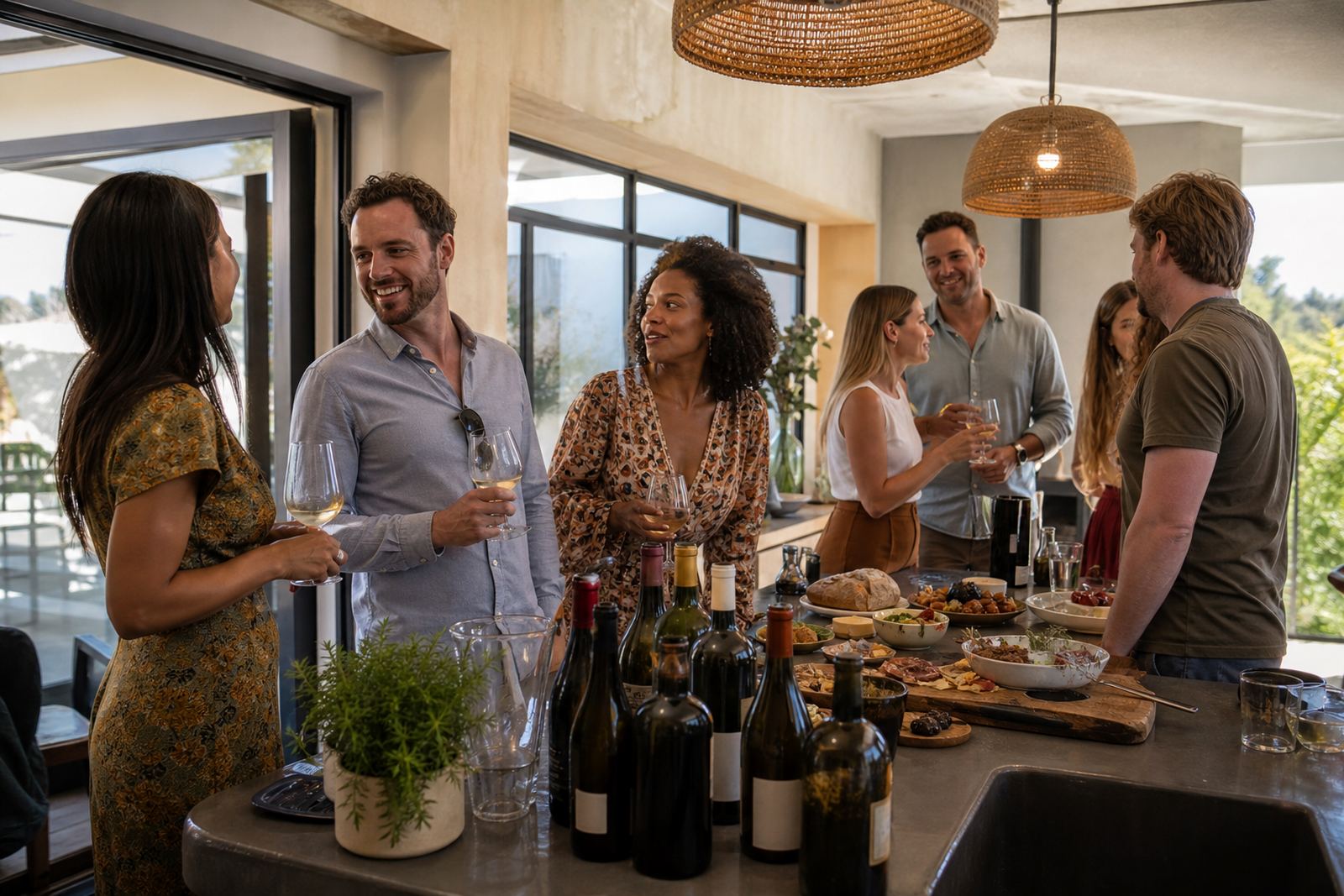
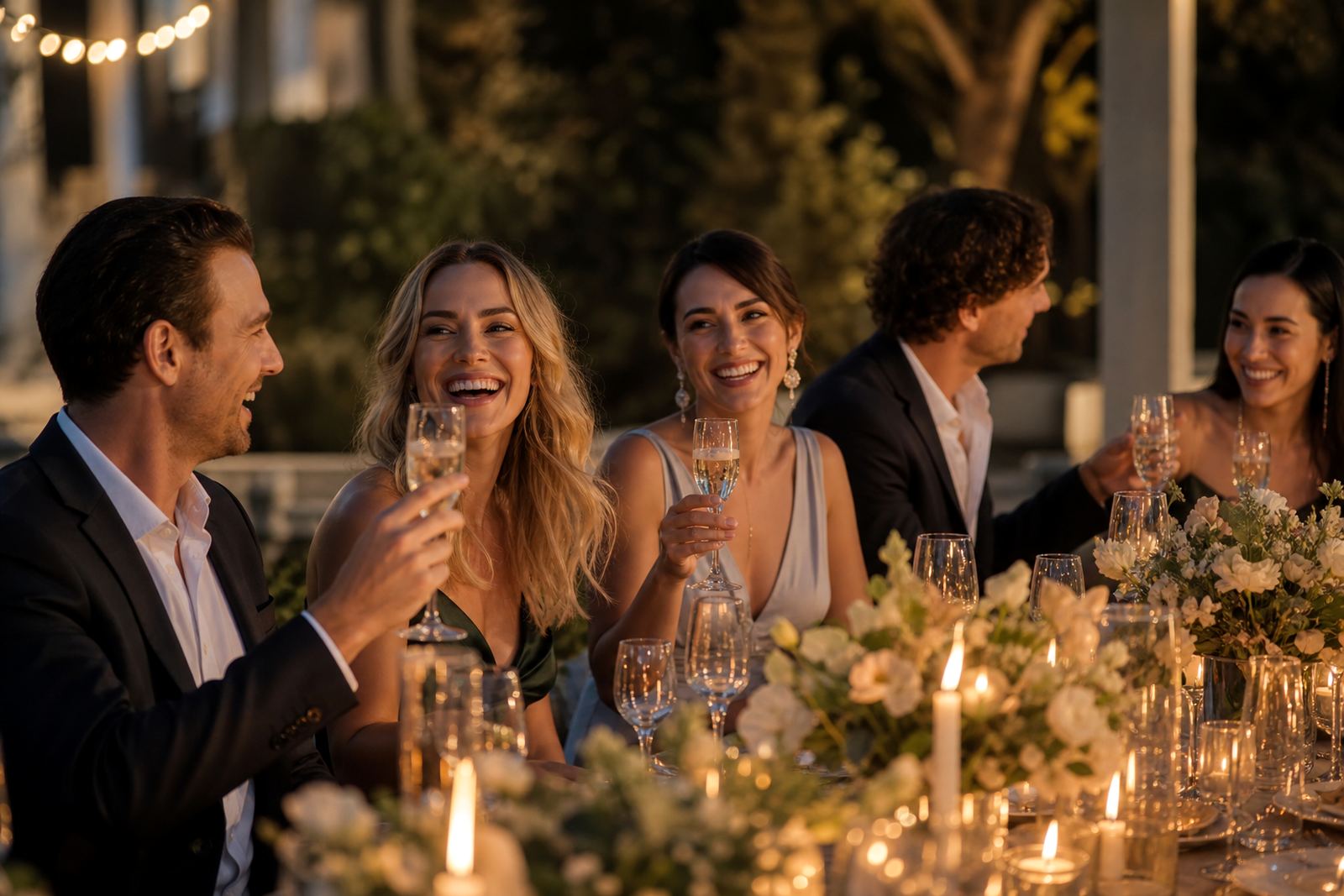
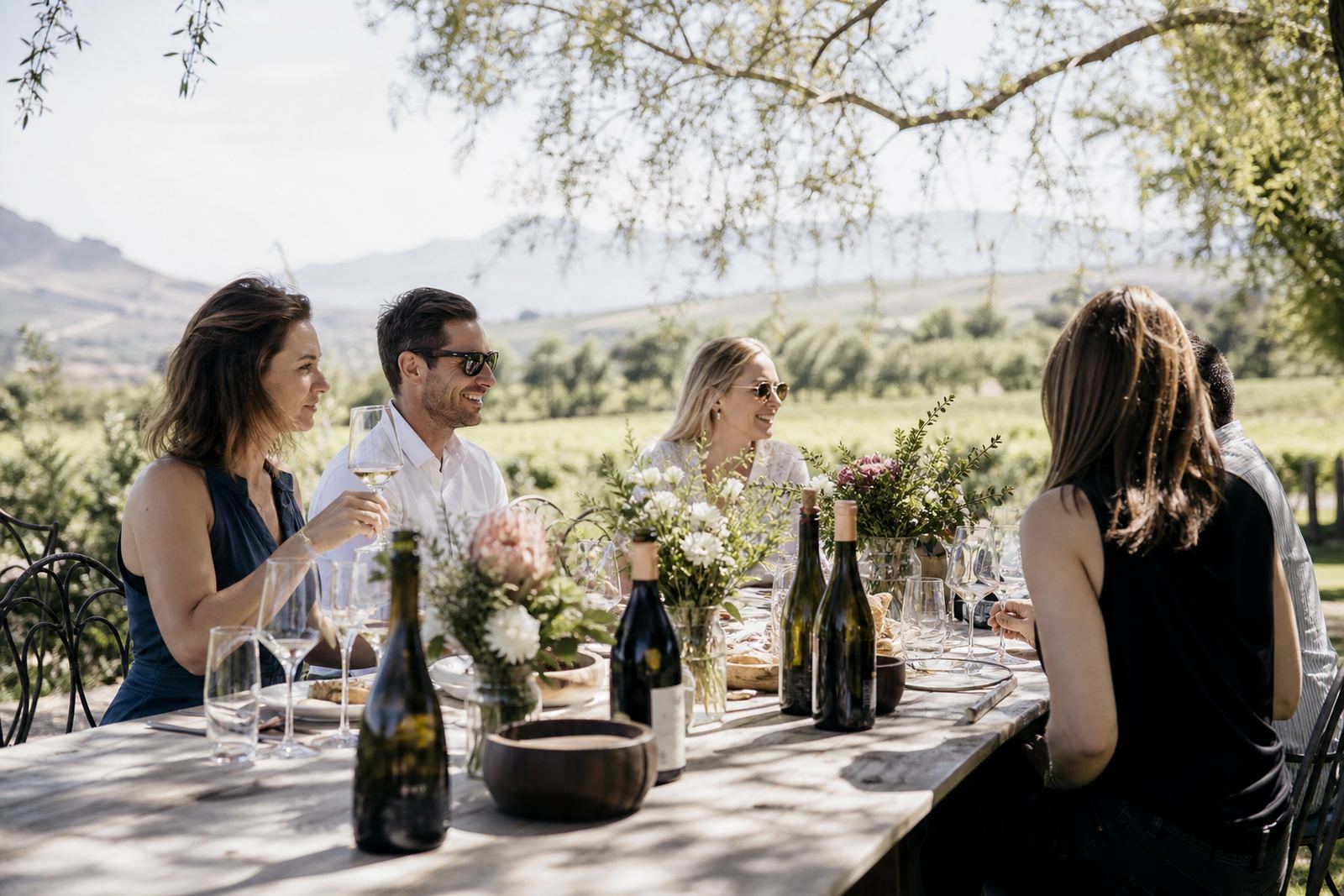
The client was a private host in Franschhoek looking for a garden lunch that felt intimate, but still had the structure of a guided tasting. The guest list was mixed, with a few serious wine lovers and several people who preferred lighter styles and bubbly. The brief was simple on paper: keep it elegant, keep it easy, and make sure nobody felt rushed between courses.
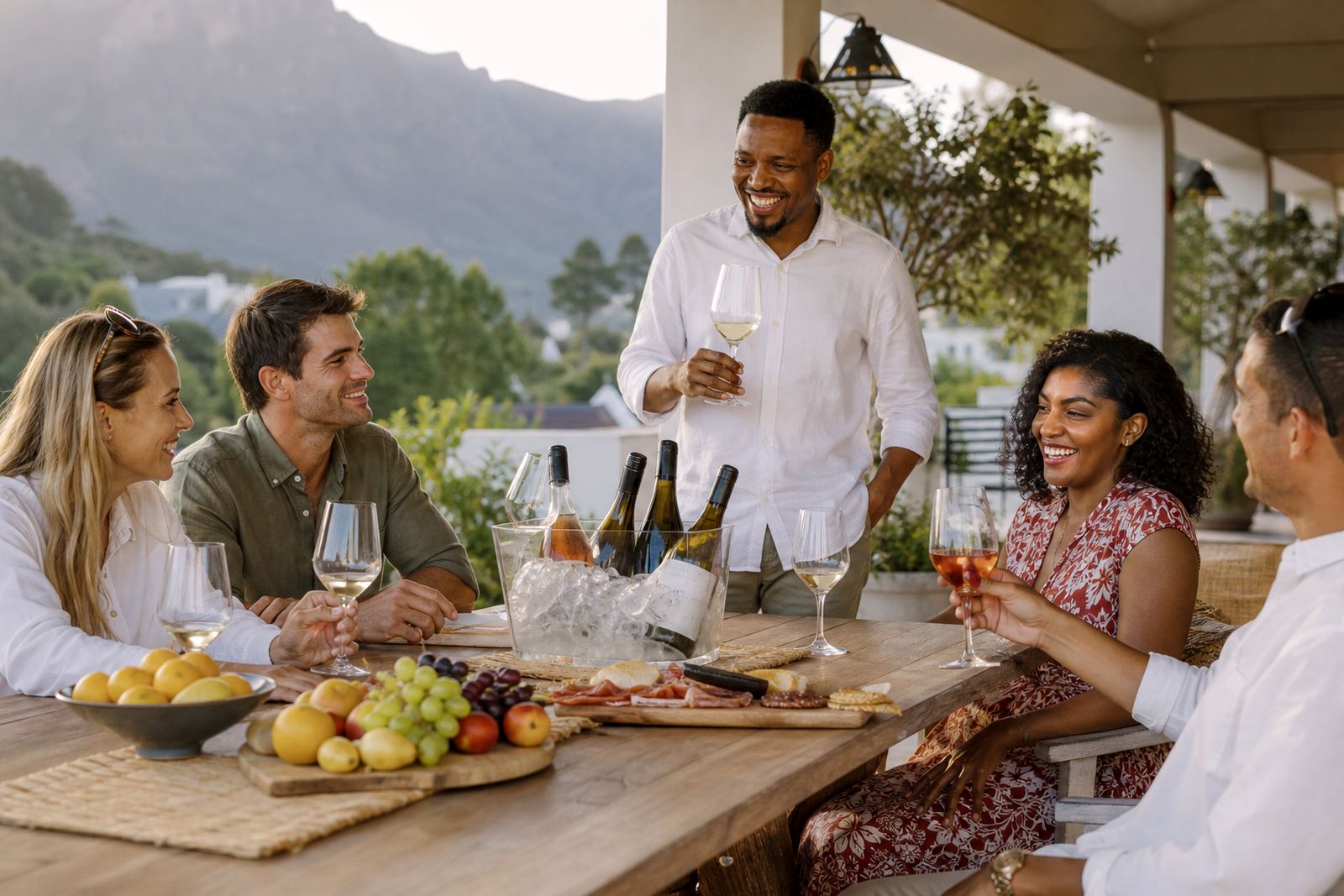
The setting was a leafy private garden with long tables, shaded seating and a small service area near the house. Because the lunch ran through the middle of the day, we had to think about sun exposure, glass handling, bottle temperature and how the tasting rhythm would sit alongside the food. In Franschhoek, even a mild day can turn warm quickly, so we planned for chilled service from the first pour.
- Client type: private host in Franschhoek
- Event style: long lunch tasting in a private garden
- Guest count: 24 adults
- Service format: guided tasting with lunch courses
What the venue needed us to solve
The biggest constraint was the garden layout. The tables were attractive but spread out enough that service needed to move neatly and quietly. There was limited access for setup, so we had to keep equipment compact and avoid anything bulky that would interrupt the flow of the space. The host also wanted the tasting to feel social, not formal, so the wine list had to be approachable without being ordinary.
There was another practical issue too: midday heat and a mix of still and sparkling pours can become messy if the stock is not organised properly. We needed enough chilled bottles on hand for the bubbly service, while still keeping the red and white wines at the right temperature once they opened. Load-shedding was not scheduled for that day, but we still planned as if it might happen because that is just sensible in South Africa now.
- Limited service access from the driveway
- No full kitchen prep space on the garden side
- Need for chilled stock rotation during a long lunch
- Quiet service so guests could talk easily
Wine selection and tasting flow we put together
We supplied a mixed selection built around local wines and sparkling options that could work across several courses. The tasting started with a crisp bubbly welcome pour, moved into a fresh white wine for the lighter dishes, then shifted to a rounded rosé and a food-friendly red later in the meal. The aim was not to overwhelm guests with too many bottles, but to give enough variety that each course felt like part of a thought-through sequence.
We also prepared tasting notes in a simple, guest-friendly format, with clear flavour cues and short talking points for the host to use between courses. That gave the afternoon a steady pace without turning it into a formal seminar. The garden lunch was about enjoying wine in context, with food and conversation doing as much of the work as the glass in hand.
- 1 sparkling welcome wine
- 2 white wines for early courses
- 1 rosé for the middle of the meal
- 2 red wines for the main and cheese course
Setup, chilling and service on the day
We arrived early to set up the tasting stations, check shade, and organise the chillers. Bottles were split into service batches so we could keep each pour at the right temperature instead of opening everything at once. That mattered especially for the bubbly, which needed to stay cold through the first hour, not just look cold when it came out. We used insulated tubs and labelled trays to keep the service smooth.
The actual lunch service was relaxed but tightly managed. Each pour was timed to the food, with short pauses between courses for guests to chat and enjoy the garden. Glassware was topped up carefully so the tasting stayed balanced and nobody was left waiting. One small thing that made a difference was having a second rinse point at the side table, which meant less traffic through the main seating area and fewer interruptions.
- Setup time: 2 hours before guest arrival
- Service window: 3.5 hours
- Glassware: stemmed tasting glasses plus water glasses
- Temperature control: chilled tubs, shaded staging and phased bottle release
How the lunch landed with the guests
The response from the group was immediate and positive. Guests settled in quickly, and because the tasting moved in step with the food, there was no sense of overload. People who normally only drink one style of wine found themselves trying a few different expressions, and the bubbly opener helped break the ice early on. That matters at a private lunch, where comfort and conversation are just as important as the wine itself.
The host told us the pacing felt just right, and that is usually the strongest sign that the event worked. There was enough structure to guide the afternoon, but not so much that it felt scripted. The wines sparked proper chat, especially when the pairings brought out different notes in each dish. A couple of guests even asked where they could join the next tasting, which is always a useful sign that the format landed well.
- Guests stayed engaged from first pour to final course
- The bubbly opening set a relaxed tone
- Food pairings made the tasting feel natural, not forced
- Several guests asked about future private tastings
What we would repeat for a similar Franschhoek lunch
If we were doing this again, we would keep the same basic structure because it worked: a short bubbly welcome, a measured tasting flight and a strong focus on temperature control. For a leafy garden setting, that combination gives the best balance of ease and polish. We would also keep the guest notes short and practical, because people at lunch do not want a lecture they want a good time.
The other thing we would repeat is the clear staging of stock. In warm weather, the difference between good and average service often comes down to how well the bottles are managed behind the scenes. This event proved that a garden lunch does not need a complicated setup to feel considered. It just needs the right wines, proper timing and a team that knows how to read the room, even when the room is outside.
- Keep the tasting flight to 5 bottles max
- Stage sparkling separately from still wines
- Use short tasting notes the host can speak from easily
- Plan extra shade and chill capacity for midday service
Key facts
| Project | Franschhoek Garden Lunch |
|---|---|
| Location | Franschhoek village, Western Cape |
| Event type | Private long lunch tasting in a leafy garden |
| Guests | 24 adults |
| Timeline | 2 weeks from brief to event day |
| Service mix | Sparkling welcome, white, rosé and red wine pairings |