

Home / Stories / Claremont Book Club

Stories

Claremont Book Club

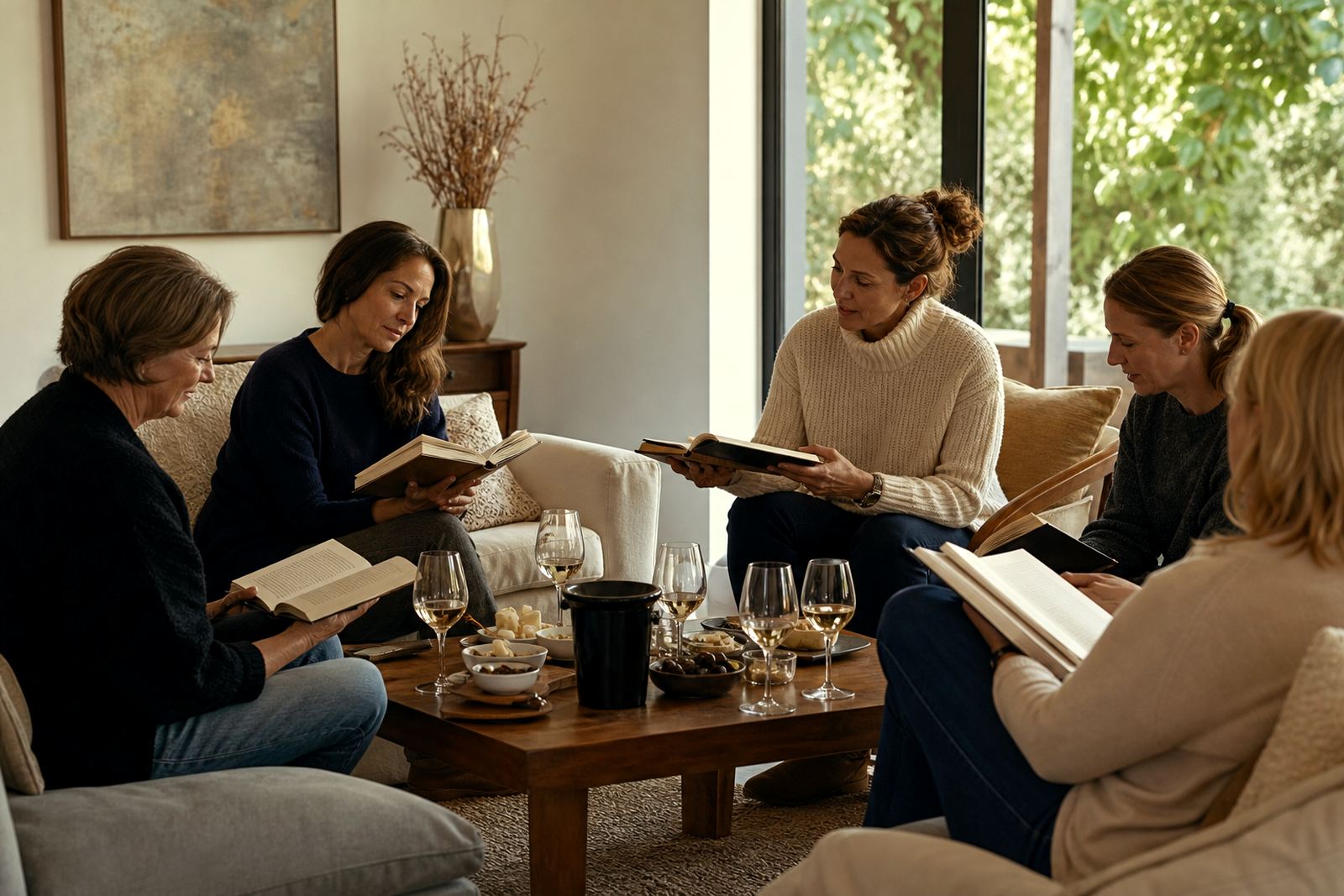
For this Claremont Book Club project, we shaped a private in home tasting for a small group that wanted more than a standard wine evening. The focus was a warm, social format with monthly reading notes, shared dishes and a selection of South African wines and bubbly chosen to suit conversation, not ceremony.

Claremont Book Club

What the Claremont group asked for

The client was a private book group in Claremont, Cape Town, made up of neighbours and friends who meet once a month and like to keep things easy, local and unpretentious. They wanted a tasting that could sit comfortably alongside their reading discussion, so the evening had to feel relaxed enough for a living room but considered enough to give the group something new to talk about.

The brief was simple on paper and quite specific in practice. They asked for an in home tasting, a short guided talk on the wines, a bubbly pour for the welcome toast, and monthly reading notes that connected the drinks to the theme of the book club. The group also wanted food pairing ideas that worked with shared platters, not a formal sit down meal.

  • Town: Claremont, Cape Town
  • Event type: private book club tasting
  • Format: in home, shared dishes, conversational pacing
  • Key note: South African wines and bubbly only

How we planned the evening

We started by building the tasting around the room rather than forcing the room to fit the tasting. Claremont homes can be compact, so we planned for a side table pour station, enough glassware for the full group, and a clear flow from welcome drink to still wines and then the final bubbly. The idea was to keep the movement easy and avoid any clutter around the lounge or dining table.

Because the group was mixing book chat with wine appreciation, we kept the explanation practical. Each pour came with a short tasting note, a food match and one conversation prompt linked to reading, memory or place. That gave the evening structure without making it feel like a lesson. We also adjusted the selection for a winter month, when people tend to favour slightly fuller styles and warmer food pairings.

  • Welcoming bubbly on arrival
  • Three still wines for comparison
  • Monthly reading notes with discussion prompts
  • Food pairing guide for cheese, savoury pastries and small plates

What we supplied and set up

We supplied the wine selection, tasting notes, reading note cards and a simple hosting plan for the evening. The wines were chosen to show range rather than volume, with one fresher white, one textured white or light skin contact option, and two reds that could stand up to the shared dishes. The bubbly was selected for a clean, celebratory start, and we kept the pour sizes measured so the group could taste properly without racing through the bottles.

The set up also included practical advice for the host on glass temperature, where to place water and bread, and how to keep bottles cool if the room warmed up. In Claremont, that matters more than people think because older homes can heat up quickly indoors once everyone has arrived and the lamps are on. We also planned for easy service during load shedding, so the tasting notes could be used by candlelight or torch light if needed, with no awkward reliance on extra equipment.

  • Wine and bubbly selection for 8 to 12 guests
  • Printed tasting notes and reading prompts
  • Pairing notes for shared plates
  • Simple hosting guide for low light and warmer rooms

Timeline from brief to delivery

The full project ran over three weeks, which gave us enough time to match the wines to the book club’s style and check the food pairing balance before the event date. Week one was the brief, guest count and occasion. Week two was selection and note writing. Week three was final planning, packing and delivery for the Claremont tasting evening.

That timeline worked well because the group did not want a rushed, heavily scripted programme. They wanted something that felt personal and easy to host, and the extra time allowed us to tune the order of the pours so the lighter wines opened the evening and the more structured bottles came later, when the conversation was already flowing nicely.

  • Week 1: brief and guest profile
  • Week 2: wine selection and written notes
  • Week 3: delivery planning and final event prep

What the evening changed for the group

The result was a tasting that gave the book club a stronger sense of occasion without taking over the evening. Guests had something to sip, discuss and compare, but the conversation stayed at the centre. The reading notes also gave the host an easy way to link the wines to the month’s book, which helped the group move beyond simple tasting comments into better discussion. A few guests who normally keep quiet at the table were drawn in by the pairing notes and asked more questions than usual.

From our side, the win was how naturally the format fitted the group. It did not need a big venue or a formal layout to work well. It just needed the right order, clear notes and wines that could handle a real gathering in a real home. That is often the difference between a pleasant night and one that people actually talk about again the next month.

  • Better guest participation during discussion
  • Clearer links between wine, food and reading
  • Easy hosting with no complicated service needs

What we would do again

We would repeat this format for any small group in Claremont or nearby suburbs that wants a private tasting with a cultural angle. It works especially well for book clubs, women’s groups, birthday circles and neighbourhood supper groups because it keeps the atmosphere intimate while still offering proper wine education. The key is to keep the selection tight and the notes useful, not padded out.

If we did this project again, we would keep the same blend of welcome bubbly, guided tasting and pairing notes, then tailor the reading prompts to the book or season even more closely. We would also offer a second version for warmer months with crisper pours and lighter dishes, since Cape Town summers can make heavy wines feel out of place by the end of the evening.

  • Best for small private groups
  • Works well in homes, apartments and courtyard settings
  • Can be adapted for summer or winter menus

Project specs

  • Project name: Claremont Book Club
  • Town: Claremont, Cape Town
  • Format: private in home tasting
  • Timeline: 3 weeks
  • Group size: 8 to 12 guests
  • Theme: monthly reading notes with South African wines and bubbly

The project sat neatly within Ching Ching Cellar’s wider tasting work in Cape Town and the Southern Suburbs, but it had its own calm, bookish feel. It suited a group that values local flavour, shared dishes and a good conversation that runs well past the last pour.

Key facts

ProjectClaremont Book Club
LocationClaremont, Cape Town
Service typePrivate in home tasting
Timeline3 weeks
Guest count8 to 12 guests
FormatMonthly reading notes, shared dishes and guided pours

What our Wine Tasting Club customers say

Verified Google reviews

Questions we get asked

Can a book club tasting work in a normal home setting?

Yes. A lounge, dining area or courtyard can work very well if the pour flow is planned properly and the notes are kept clear and practical.

Do the tasting notes need to match the book exactly?

Not exactly. They just need to connect naturally through theme, mood, season or place so the discussion feels easy and relevant.

Is this format suitable for shared food rather than a plated menu?

Yes. It works well with cheese, savoury bakes, small plates and simple dishes, which makes hosting much easier for the group.

Planning something? Send the team a message.

Contact form